
From Restaurant Favorite to Project Cooking
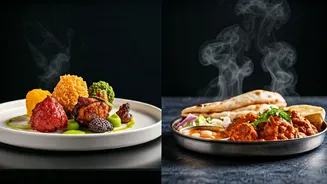
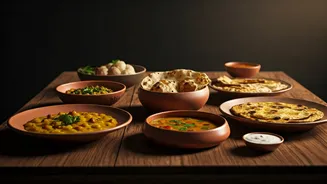
For decades, Indian food in America meant a very specific menu: chicken tikka masala, saag paneer, and garlic naan, all swimming in rich, creamy sauces. These were restaurant dishes, perfected by chefs over charcoal fires and in tandoor ovens—delicious,
but nearly impossible to replicate authentically at home. When home cooks first started exploring the cuisine, the goal was often to mimic that celebratory, special-occasion experience. Recipe searches skewed towards these well-known, complex curries that felt like a weekend project, a culinary mountain to conquer.
The Lockdown Lull and Its Elaborate Curries
Then came the pandemic, and with it, an abundance of time. Suddenly, those weekend projects became weekday activities. Locked down and looking for a challenge, many aspiring cooks dove headfirst into the deep end of Indian cooking. This was the era of homemade paneer, of grinding spice blends from scratch, of patiently layering a Hyderabadi biryani over several hours. Food blogs and YouTube channels catered to this hunger for authenticity and complexity. We weren't just making dinner; we were mastering a craft. The search terms reflected this aspirational moment, prioritizing elaborate techniques and restaurant-quality results over speed or simplicity.
The Weeknight Dal Takes Center Stage
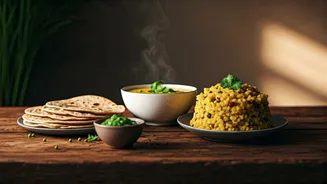
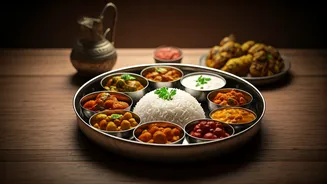
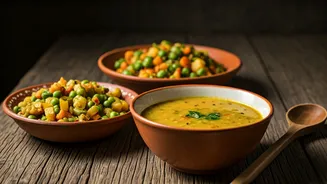
But as life has returned to its relentless, pre-pandemic pace, a different kind of recipe search is gaining traction. The focus has pivoted from the aspirational to the achievable. Instead of “best ever butter chicken,” the searches are now for “quick chana masala,” “easy dal fry,” or “30-minute aloo gobi.” This is the food of Indian homes, not restaurants. These are the humble, nourishing, and—crucially—practical dishes that form the backbone of daily Indian cuisine. The interest is shifting from recreating a once-a-month restaurant meal to figuring out how to get a comforting and flavorful dinner on the table on a Tuesday night. It's a move from performance to sustenance.
A Sign of Deeper Culinary Fluency
This trend isn't just about being pressed for time; it's a sign of growing culinary maturity. The shift towards simpler recipes suggests a deeper, more integrated appreciation for Indian cuisine. When a culture's food is new to you, you start with the famous showstoppers. But as you become more fluent, you begin to understand the everyday grammar of that cuisine. Searching for a simple tadka dal or a quick vegetable sabzi is like learning to make a perfect vinaigrette or a simple marinara sauce. It means you’re not treating the cuisine as an exotic novelty anymore. Instead, you're embracing it as a versatile and integral part of your own weekly cooking rotation. It’s the ultimate compliment—proof that Indian food has truly made itself at home in the American kitchen.