





Tokyo: The Electric Canvas
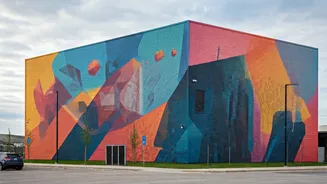
Tokyo isn't just the world's biggest city; it's the world's biggest gallery, if you know where to look. The street art here is a fascinating mix of commissioned murals, stealthy graffiti, and whimsical stickers plastered on every conceivable surface.
Start in Shibuya. Amidst the neon glow of the famous scramble crossing, you'll find large-scale works tucked away in alleys and on the roll-down shutters of shops that only come alive after dark. Then, wander over to Harajuku. While known for fashion, the backstreets of Ura-Harajuku are a treasure trove of smaller, intricate pieces by local and international artists. The art here feels like part of the neighborhood’s DNA—edgy, stylish, and constantly changing.
Deeper Cuts: Koenji and Shimokitazawa
For a more bohemian and concentrated dose of creativity, head to Tokyo’s western suburbs. Koenji is a punk-rock haven where the street art feels raw and politically charged. The walls around the train station and under the tracks are a constantly evolving mural of tags, stencils, and paste-ups. It’s a bit grittier and feels incredibly authentic. A few stops away, Shimokitazawa offers a slightly more whimsical, artsy vibe. Known for its vintage stores and indie theaters, the neighborhood’s narrow lanes are decorated with playful characters and colorful murals that perfectly complement its laid-back, creative energy. This is where you go to see art that feels less like a spectacle and more like a conversation with the community.
Osaka: Loud, Proud, and Unapologetic
If Tokyo’s art scene is a carefully curated gallery, Osaka’s is a warehouse rave. This city is known for being louder, bolder, and a little more rebellious than its eastern rival, and its street art is no exception. The undeniable epicenter is Amerikamura, or "Amemura." This youth culture hub feels like a neighborhood-sized art installation. From the iconic, mural-covered Sankaku Koen (Triangle Park) to the massive artworks adorning the sides of buildings, Amemura is a sensory overload in the best way possible. The style here is distinctly pop-art-influenced, with bright colors and bold characters dominating the landscape. It’s the perfect place to grab some takoyaki and spend an afternoon simply getting lost in the visual chaos.
Beyond the Big Two
While Tokyo and Osaka are the heavyweights, they aren't the whole story. The port city of Yokohama has a growing scene, particularly around the Koganecho district, which has actively used art to revitalize the area under its elevated train tracks. During your travels, keep an eye out for commissioned pieces at train stations or as part of city-wide art festivals. Japan’s relationship with street art is complex; what might be celebrated in one context is quickly scrubbed away in another. This dynamic makes the hunt even more rewarding. You’re not just seeing art; you’re seeing a cultural conversation play out in real time on the city walls.
Know the Rules of the Game
Being a responsible art tourist is key in Japan. The country has a famously low tolerance for vandalism, and the line between a celebrated mural and illegal graffiti is sharp. The first rule is simple: look, but don’t touch (or add). Photograph everything, support local artists if you can, but never consider adding your own tag. The art you’re seeing often exists in a precarious balance. By being a respectful observer, you help ensure that this vibrant, often unsanctioned, part of Japanese culture can continue to thrive. It’s about appreciating the rebellion without participating in the transgression, and understanding that the temporary nature of many pieces is part of their beauty.