

Why Humidity Is the Real Culprit
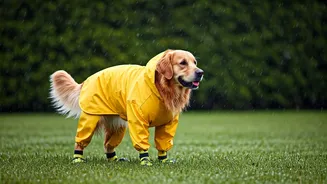
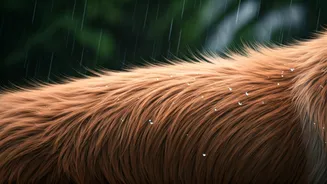
While we often blame the rain for muddy paws, the real antagonist for your pet’s coat is humidity. When the air is thick with moisture, it’s much harder for your dog or cat’s coat to dry completely after getting wet—whether from a downpour, a swim, or even
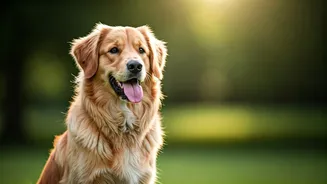
just a bath. This is especially true for double-coated breeds like Golden Retrievers, German Shepherds, Huskies, and many long-haired cats. Their dense undercoat, designed for insulation, becomes a sponge. It traps moisture against the skin, creating a warm, damp environment that’s a paradise for bacteria and yeast to thrive. This can also accelerate the shedding process, as the body works to ditch damaged or uncomfortable fur, leading to the dreaded “fur-nado” in your living room.
The Unseen Enemy: Skin Infections
A perpetually damp coat isn’t just a cosmetic issue; it’s a health risk. The most common problem is acute moist dermatitis, better known as a “hot spot.” These are painful, red, inflamed, and often oozy patches of skin that can appear seemingly overnight. They’re caused by bacteria flourishing in the trapped moisture, often exacerbated by the pet licking or scratching the irritated area. Similarly, yeast infections (Malassezia dermatitis) can flare up, causing greasy skin, a foul, musty odor, and intense itchiness, particularly in skin folds, ears, and around the paws. If you notice your pet is excessively scratching, has developed any strange odors, or has red, angry-looking skin, the humid weather is a likely suspect.
Your Proactive Grooming Arsenal
You can’t control the weather, but you can control the grooming routine. Your best defense is a proactive one. First, invest in the right tools. For double-coated dogs, an undercoat rake is non-negotiable. It reaches deep to pull out the loose, dead fur from the undercoat that a standard brush can't touch. This thins the coat, improves air circulation to the skin, and dramatically reduces shedding. For shorter coats, a rubber curry brush works wonders to lift loose fur. A slicker brush is great for general detangling on medium-to-long coats. A 15-minute daily brushing session during the humid season can prevent hours of cleanup and save your pet from significant discomfort.
The Art of the Thorough Dry
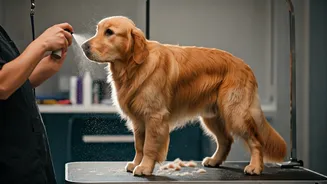
After any exposure to water, a quick towel-off isn't enough. The goal is to get the undercoat bone-dry. For home groomers, a high-velocity pet dryer is a game-changing investment. Unlike a human hair dryer, it doesn't use high heat, which can burn a pet’s sensitive skin. Instead, it blasts air at high speed to blow water out of the coat. When using one, keep the nozzle several inches from the skin and keep it moving to prevent irritation. This process not only dries your pet effectively but also blows out an astonishing amount of loose undercoat, tackling shedding at the source. If a specialized dryer isn't an option, use multiple absorbent towels and then finish with a regular hair dryer on its coolest, lowest setting, held at a safe distance.
When to Call for Backup
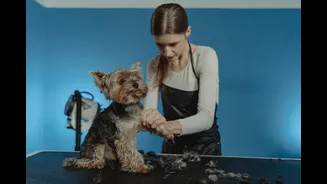
Sometimes, the drama is too much to handle alone. If your pet’s fur has developed mats—tightly tangled clumps of fur—do not try to cut them out with scissors. It’s incredibly easy to cut the skin, which gets pulled up into the mat. This is a job for a professional groomer, who has the proper tools (clippers and de-matting combs) and expertise to remove them safely. Likewise, if you suspect a skin infection has already taken hold, it’s time to call the veterinarian. Hot spots and yeast infections often require prescription topical treatments, medicated shampoos, or even oral antibiotics to resolve. Trying to treat them at home without a proper diagnosis can make the problem worse. Your vet can provide relief for your pet and guidance for preventing a recurrence.