






Beyond the Naan Basket
Across India’s most innovative restaurant kitchens, a new culinary philosophy is taking hold. Dubbed the “Fibre Era,” this movement is a conscious shift away from the post-Green Revolution reliance on polished rice and refined wheat flour (maida). Instead,
chefs are looking backward to move forward, championing ingredients that have been staples on the subcontinent for millennia but were pushed aside in the 20th century. This isn’t about sacrificing flavor for health; it’s about rediscovering the texture, depth, and nutritional power of India's indigenous pantry. The result is a cuisine that feels both ancient and incredibly modern—lighter on the stomach but heavier on nutrients and complex taste profiles. Think less food coma, more clean energy, all while delivering the bold flavors Indian food is famous for.
The Mighty Millet Revival
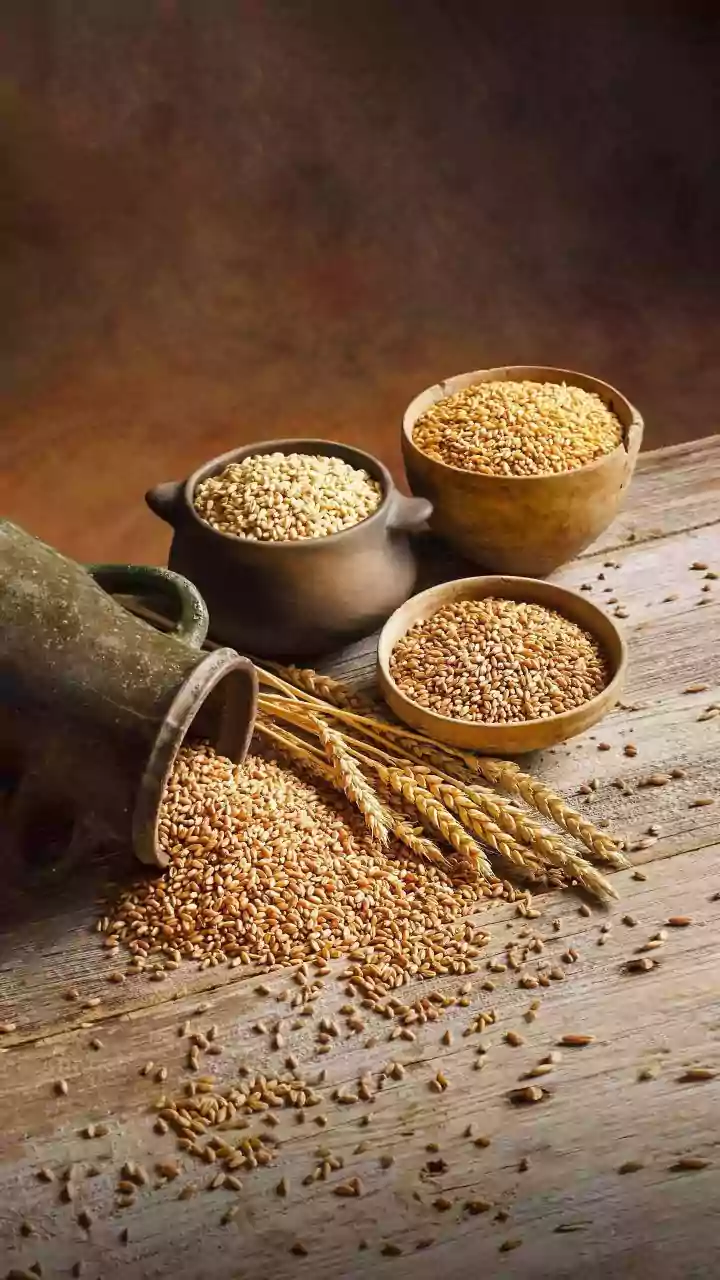
At the heart of this trend is the spectacular comeback of millets. Once dismissed as “poor man’s food,” these hardy, drought-resistant ancient grains are now the darlings of the culinary world. Grains like ragi (finger millet), jowar (sorghum), and bajra (pearl millet) are naturally gluten-free and packed with fiber, protein, and micronutrients. Chefs are finding endlessly creative ways to incorporate them. You might find a crispy dosa made not from rice but from a fermented ragi batter, giving it an earthy, nutty flavor. Traditional upma is being reimagined with foxtail millet for a fluffier, more satisfying texture. Even desserts are getting a makeover, with jowar flour used in cakes and cookies, offering a rustic crumb and wholesome sweetness. This revival, partly fueled by a government push and the UN naming 2023 the “International Year of Millets,” is re-familiarizing a generation of urban diners with the country's true agricultural heritage.
Jackfruit Steps into the Spotlight
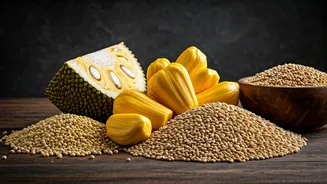
Long before it became a darling of Western vegans, unripe jackfruit was a staple in Indian kitchens, prized for its fibrous, meaty texture. Now, it’s being celebrated on menus as both a traditional delicacy and a modern star. Its neutral taste and incredible ability to absorb spices make it a perfect canvas for a variety of dishes. In Kerala, it’s used in a classic dish called *chakka puzhukku*, a savory mash with coconut and spices. In the north, chefs are using it to create a plant-based version of the legendary galouti kebab, where the fruit is slow-cooked and spiced until it becomes impossibly tender and melts in your mouth. Unlike processed meat substitutes, jackfruit is a whole food, rich in fiber and low in calories. Its resurgence marks a return to using a versatile, sustainable local ingredient to its fullest potential.
A Return to Roots and Reason
So, why is this happening now? The Fibre Era isn't just a fleeting trend; it’s a confluence of several cultural shifts. First, there's the global wellness movement, which has made diners everywhere more conscious of what they eat, prioritizing gut health and whole foods. Second, there’s a growing sense of culinary patriotism among Indian chefs, who are eager to showcase the incredible biodiversity of their homeland and challenge the monolithic Western perception of Indian cuisine. Finally, there's an urgent conversation around sustainability. Millets and other indigenous crops require far less water than rice and wheat, making them a more responsible choice in a climate-stressed world. By putting these ingredients on their menus, chefs are not just cooking; they are making a statement about health, identity, and the future of food.