





Beyond the Recipe: The Aromatic Upgrade
The primary way these herbs create a sense of luxury is through scent. Our sense of smell is powerfully linked to memory and emotion, and the aromas of rosemary and basil are pure, upscale ambiance. Rosemary releases a piney, woody, and slightly peppery
fragrance that cuts through cooking odors and purifies the air. It’s an invigorating, clean scent often used in high-end spas and boutiques for its clarifying properties. When you brush past a rosemary plant on your counter, you get a whiff of something that feels both rustic and refined—like a Tuscan villa kitchen. Basil, on the other hand, offers a sweeter, warmer, and more welcoming aroma. Its scent is the essence of summer, fresh pesto, and Italian cooking. It doesn’t just smell like an ingredient; it smells like a meal waiting to happen, a promise of hospitality and good food. Together, these two fragrances create a complex aromatic profile for your kitchen. They signal freshness, cleanliness, and a connection to nature, elevating the room from a purely functional space to a sensory experience. It’s a subtle upgrade that commercial air fresheners, with their synthetic notes, can never replicate.
The Visual Language of Freshness
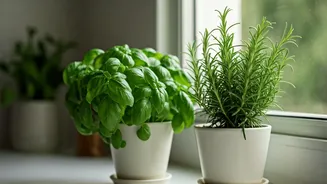
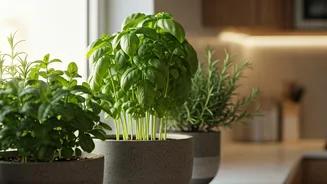
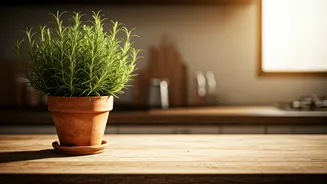
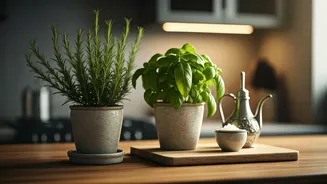
A premium kitchen isn’t just about gleaming appliances; it's about texture, color, and life. An empty countertop can feel sterile, but a small collection of living herbs instantly softens the hard edges of stone and steel. Rosemary and basil provide a beautiful visual contrast. The rosemary plant, with its sturdy, upright stems and needle-like, silvery-green leaves, has an architectural quality. It adds structure and a touch of wild, Mediterranean ruggedness.
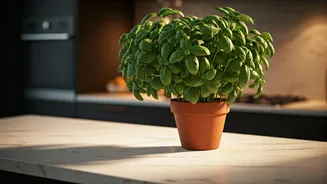
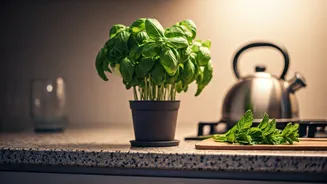
Basil is its perfect counterpart. Its broad, delicate, and vibrant green leaves have a lush, tender appearance that suggests vitality. Placed side-by-side, they create a composition of textures and shades of green that is inherently pleasing to the eye. This living decor accomplishes what designers spend thousands to achieve: it makes a space feel curated and personal. It communicates a lifestyle—one where fresh ingredients are valued and beauty is found in natural, functional objects. It’s the same visual cue used by high-end grocers and farm-to-table restaurants to signal quality.
Your Indoor Herb Garden Starter Kit
Bringing this premium feeling home is surprisingly simple and affordable. You don’t need a green thumb, just a sunny spot. For the best chance of success, start with small, established plants from a nursery or grocery store rather than seeds.
**Potting:** Choose pots with good drainage holes at the bottom. Unglazed terracotta is a classic choice; it’s porous, which helps prevent overwatering, and its earthy color complements the green foliage beautifully. For a more modern look, simple ceramic or metal pots that match your kitchen hardware work well. Ensure each plant has its own pot with enough room to grow.
**Light:** Both rosemary and basil are Mediterranean natives that thrive in sunlight. The ideal location is on a windowsill in a south-facing window, where they can get at least six hours of direct light per day. If you lack a sunny window, a small, inexpensive LED grow light can easily supplement.
**Water:** Overwatering is the most common mistake. Water your herbs only when the top inch of soil feels dry to the touch. Rosemary prefers to be slightly drier, while basil is a bit thirstier and may wilt to let you know it needs a drink. A weekly check is usually sufficient.
Styling for a Chef's Kitchen Vibe
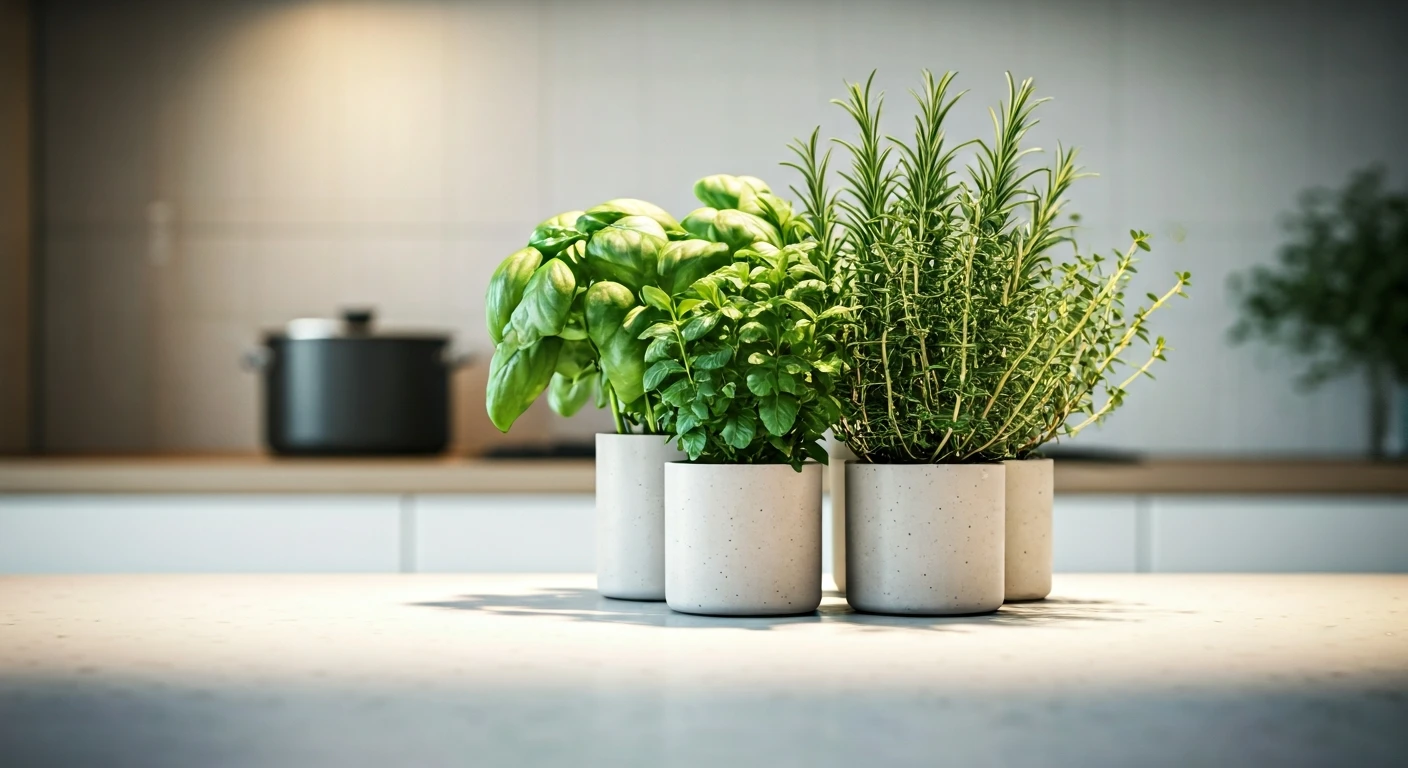
How you display your herbs is the final step in achieving that premium feel. Instead of scattering them, create an intentional 'cooking corner.' Group the pots together on a small wooden tray or a marble slab next to your stove or sink. This creates a stylish, organized vignette that looks deliberate and chic. The proximity also makes them practical—you’ll be more inclined to snip off a few leaves to toss into a sauce or garnish a dish.
Surround them with other beautiful, functional kitchen items. A handsome bottle of olive oil, a crock of wooden spoons, a mortar and pestle, or a stack of your favorite cookbooks can complete the look. The goal is to create a small, curated scene that tells a story of a cook who cares about ingredients and aesthetics. This corner becomes the heart of the kitchen, a spot that is not only useful but also brings you a small moment of joy and sophistication every time you see it.