

The Comfort of the Coming Rain
In South Asia, the monsoon is more than just a weather pattern; it’s an event, a season of profound cultural and emotional significance. After months of scorching heat, the first rains bring relief, renewal, and a dramatic shift in daily life. And with
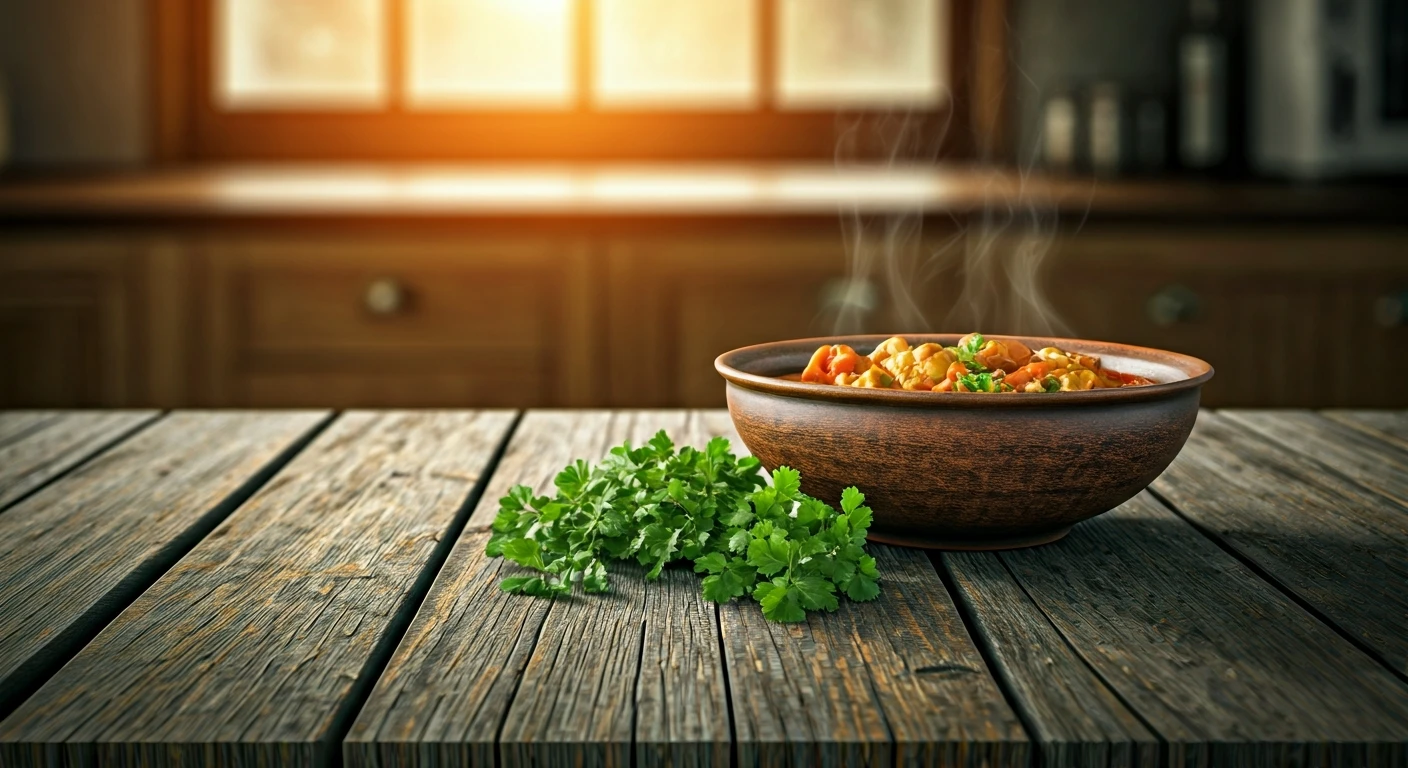
that shift comes a unique culinary tradition. The air cools, the skies darken, and an almost primal urge for warmth and comfort takes over. This is the soul of monsoon food. Unlike the elaborate dishes of festive occasions, monsoon cooking is about immediate gratification. It’s about simple, savory snacks that can be prepared quickly while the rain drums against the windowpane. These are the foods of impromptu family gatherings, of huddling under an awning with friends, of pairing something crunchy and spicy with a steaming cup of sweet, milky chai. Think crispy, deep-fried fritters, roasted corn, and savory pastries—foods that feel like a warm hug in the midst of a downpour.
From Mom’s Kitchen to the Menu
For years, these humble, home-style dishes were largely absent from Indian restaurant menus in the U.S., which tended to favor a familiar rotation of curries and tandoori classics. But a change is underway, driven by a generation of diaspora chefs who are looking back to their own childhoods for inspiration. They are mining their memories of rainy afternoons spent in their mother's or grandmother's kitchen and realizing those flavors deserve a place in the spotlight. This isn't just about replication; it's about reinterpretation. A simple onion pakora—a classic chickpea-flour fritter—might be elevated with a new dipping sauce or a more refined presentation. The street-style roasted corn on the cob, or 'bhutta,' slathered in lime juice and chili salt, might appear as a sophisticated small plate. By placing these dishes on their menus, chefs are doing more than just feeding people; they are validating a part of their heritage that was once considered too simple or too 'domestic' for a professional kitchen. It's a confident declaration that the food of home is worthy of a restaurant’s stage.
The Flavors That Define the Season
So what exactly constitutes a monsoon menu? While it varies by region, a few iconic tastes dominate. At the heart of it are fried foods, known collectively as 'bhajji,' 'pakora,' or 'vada.' These can be anything from thinly sliced potatoes, onions, or spinach dipped in a spiced chickpea-flour batter and fried to golden perfection. The crunchy exterior and soft interior provide a textural contrast that is deeply satisfying. Another star is the samosa, a triangular pastry typically filled with spiced potatoes and peas, whose crisp shell is the perfect foil for the wet weather. Beyond fried goods, there's roasted corn, its smoky sweetness enhanced with spices. And to wash it all down, there is masala chai, the spiced tea that is the undisputed beverage of the season. Its warmth, infused with ginger, cardamom, and cloves, is the perfect antidote to the damp chill in the air.
Serving a Plate of Memory
For diners, this trend offers a delicious portal into a more authentic and personal side of South Asian cuisine. For members of the diaspora, ordering a plate of pakoras at a trendy restaurant is a powerful taste of nostalgia. It connects them to a shared cultural memory, a flavor profile that speaks of family, comfort, and home. It’s the food equivalent of a cherished photograph. For those unfamiliar with these traditions, it’s an invitation to experience a different kind of comfort food. It’s an opportunity to understand that Indian food is not a monolith but a vast and varied landscape of regional and seasonal specialties. This movement away from a standardized menu and toward a more personal, story-driven approach to cooking is one of the most exciting developments in the American dining scene. It signals a growing appreciation for food that is not just well-executed, but also rich with meaning and history.