

Understanding the Journey
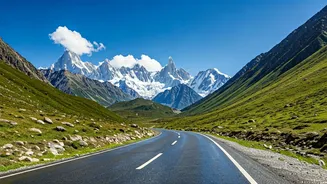
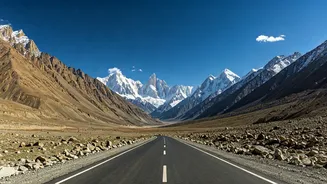
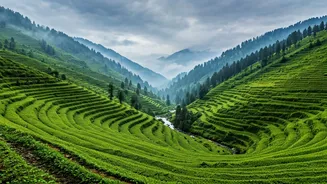
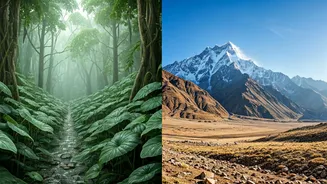
The Manali-Leh Highway is not your average scenic drive. Connecting the lush valleys of Himachal Pradesh with the high-altitude desert of Ladakh, this military-built road is only open for about four months a year. It snakes over some of the highest motorable
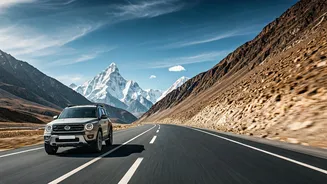
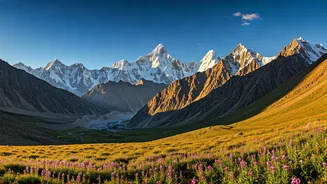
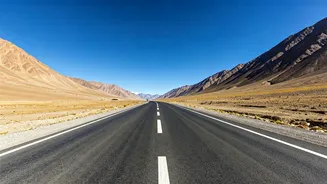
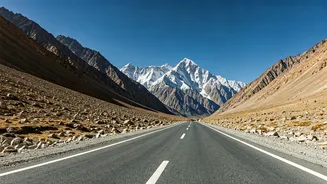
passes in the world, including the famed Rohtang Pass (13,058 ft) and Taglang La (17,480 ft). The journey is the destination here, offering jaw-dropping vistas of snow-capped peaks, barren canyons, and turquoise rivers. Most travelers complete the trip over two days to aid with acclimatization, covering roughly 295 miles of hairpin bends, remote landscapes, and unforgettable scenery. Don't expect pristine asphalt the whole way; road conditions can vary from smooth tarmac to bumpy, unpaved sections, especially after winter.
The Ideal Weather Window
Timing is everything. The highway is typically open from early June to mid-October, but the sweet spot is from mid-June to September. During these months, the snow has melted from the high passes, the roads have been cleared of winter debris, and the weather is most stable. Expect strong sunshine during the day, which can feel intense at high altitudes, and temperatures that drop sharply at night, often near freezing. Traveling in early June is a gamble; a late-season snowfall can cause temporary closures. Likewise, traveling in late September or October means you'll face colder temperatures and the increasing risk of the road closing for the season, potentially leaving you stranded. Always build a few buffer days into your itinerary in case of unexpected delays due to weather or landslides.
Navigating the Permit Maze
For U.S. citizens, navigating the required permits is a key part of trip planning. While you don't need a special permit for the highway itself, you do for certain sections and areas. First, vehicles traveling over the Rohtang Pass from Manali require a permit, which is usually arranged by the driver or rental company; confirm this when you book your transport. Second, and more importantly, for exploring areas beyond Leh (like Nubra Valley or Pangong Lake), you'll need an Inner Line Permit (ILP). As a foreign national, you will receive a "Protected Area Permit" (PAP), which serves the same purpose. These can be obtained in the city of Leh upon arrival. Your guesthouse, hotel, or a local travel agent in Leh can easily process the application for a small fee. You'll need copies of your passport, visa, and a couple of passport-sized photos. It's a straightforward but non-negotiable step.
Key Pitstops and Overnight Stays
Breaking the journey into two days is essential for acclimatization. The two most common overnight stops are Jispa and Sarchu. While Sarchu is the traditional midway point with its iconic tented camps, it sits at a dizzying 14,070 feet, making it a brutal place to spend your first night at altitude. A much smarter choice is Jispa. At a more manageable 10,500 feet, staying in Jispa significantly reduces your risk of developing severe altitude sickness. You can find guesthouses and hotels there, offering a more comfortable night's rest than the rustic tents of Sarchu. The next day, you'll feel better prepared to tackle the remaining high passes on your way to Leh. Other notable stops for a quick break and a cup of chai include Keylong (a small town with amenities before Jispa) and Pang (a desolate, high-altitude rest stop).
The Unseen Challenge: Altitude Sickness
The stunning views come with a serious physical challenge: Acute Mountain Sickness (AMS). This is the biggest hurdle for most travelers. AMS can affect anyone, regardless of age or fitness level. Symptoms include headache, nausea, dizziness, and shortness of breath. The best prevention is a slow ascent. This is why a two-day journey with a stop at Jispa is crucial. Stay hydrated—drink at least 3-4 liters of water a day—and avoid alcohol and smoking. Some travelers consult their doctors before the trip about preventative medication like acetazolamide (Diamox). Listen to your body. If you or someone in your group feels unwell, don't ascend further. A mild headache is common, but if symptoms worsen, the only cure is to descend to a lower altitude immediately.