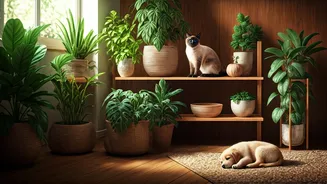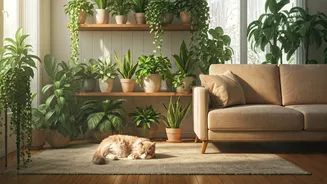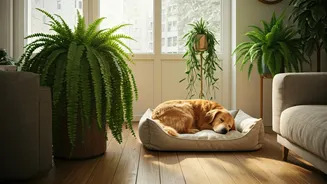




First, What Is Biophilic Design?
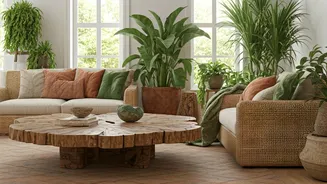
Before we get to the paws and claws, let’s define the buzzword. Biophilic design is a concept built on a simple truth: humans have an innate need to connect with nature. When applied to interiors, it means intentionally incorporating natural elements
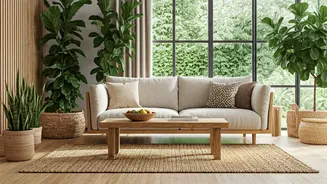
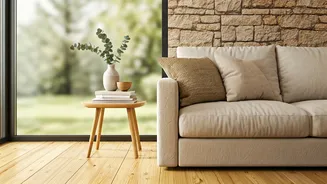
to improve our mental and physical well-being. This goes beyond just adding a few potted plants. It’s about maximizing natural light, using organic materials like wood and stone, incorporating natural colors and patterns, and creating a sensory-rich environment that echoes the outdoors. The goal is to reduce stress, boost creativity, and create a calming atmosphere. In a world of screens and concrete, it’s a way of bringing the restorative power of nature back into our daily lives.
The Common Pet-Owner's Dilemma
Here’s where the two biggest home trends of the last decade collide. We’ve embraced pet ownership like never before, with nearly 70% of U.S. households home to at least one pet. Simultaneously, we’ve fallen in love with statement plants. The problem? Many of the most popular and Instagram-famous houseplants—think the elegant Fiddle Leaf Fig, the dramatic Monstera Deliciosa, the ubiquitous Pothos, and almost all varieties of lilies—are toxic to cats and dogs. This forces a difficult choice: risk a sick pet and a frantic, expensive trip to the emergency vet, or give up on the dream of a verdant indoor jungle. It can feel like you have to choose between your furry family member and your aesthetic aspirations.
Why Pet-Safe Is the Smarter Choice
Choosing pet-safe design isn’t a downgrade; it’s an upgrade to a more holistic philosophy. True biophilia is about creating a thriving, harmonious ecosystem. A home where you’re constantly worried about your cat nibbling on a toxic leaf is the opposite of a stress-free sanctuary. By consciously selecting plants, materials, and layouts that are safe for your pets, you’re extending the principle of well-being to every living creature in your home. This approach deepens the connection to nature by acknowledging that you are the caretaker of a multi-species environment. It transforms your home from a static design statement into a dynamic, living space that nurtures everyone within it.
Your Foundation: Non-Toxic Greenery
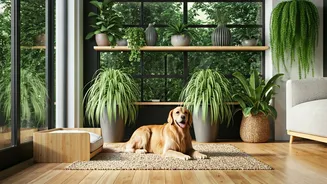
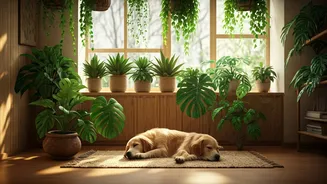
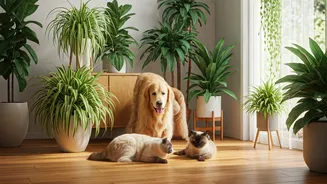
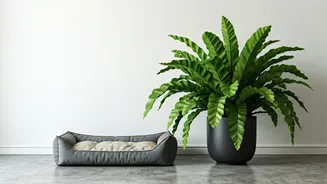
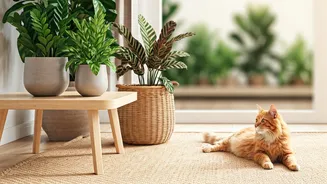
Building a pet-safe oasis starts with the right plants. The good news is that the list of non-toxic, beautiful, and air-purifying plants is long and varied. Instead of a risky Sago Palm, opt for a lush Parlor Palm or a whimsical Ponytail Palm. Swap the toxic Snake Plant for a resilient Cast Iron Plant. Some of the best all-stars for a pet-friendly home include Spider Plants (great for hanging out of reach), Boston Ferns, Calatheas (with their stunning leaf patterns), and the entire Peperomia family. You can achieve any aesthetic, from minimalist to bohemian jungle, without ever bringing a toxic element into your space. Always double-check any new plant against a trusted resource like the ASPCA’s plant database before bringing it home.
Beyond Plants: Materials and Textures
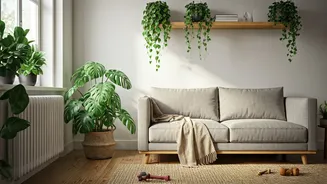
Biophilic design isn't just about flora. It’s also about the materials that furnish your space. For pet owners, this means focusing on natural, durable, and non-toxic options. Choose furniture made from solid wood instead of particleboard, which can contain formaldehyde-based glues that off-gas harmful VOCs. When it comes to textiles, look for performance fabrics or natural, washable materials like cotton canvas or linen for slipcovers. For rugs, tightly woven natural fibers like sisal or jute are not only aesthetically pleasing but are also incredibly durable and can satisfy a cat’s need to scratch—better the rug than the sofa. These material choices reduce potential toxins in the air and stand up to the wear and tear of daily pet life, making your home healthier and longer-lasting.