


More Than Just a Safari
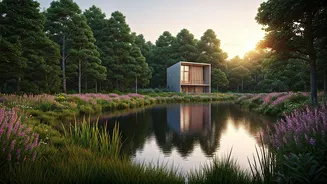
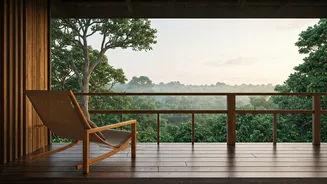
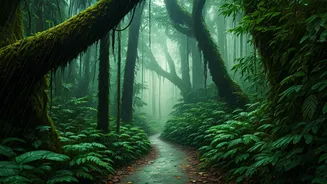
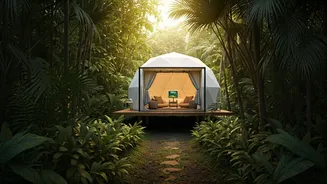
So, what exactly is a 'boutique wildlife escape'? It’s less about chasing the 'Big Five' in a convoy of dusty jeeps and more about waking up in a glass-walled cabin overlooking a Costa Rican cloud forest. It’s swapping a sprawling resort for a handful
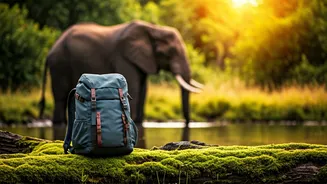
of luxury yurts on a private conservancy in Kenya. These experiences are defined by what they aren't: crowded, impersonal, or passive. Instead, they are small-scale, deeply immersive, and design-forward. The focus is on unique accommodation, expert-led small-group tours, and a tangible connection to the surrounding ecosystem. Think less 'tourist' and more 'temporary resident.' These operators often integrate directly with conservation projects, allowing travelers to not just see an elephant, but also to understand the challenges of its habitat and the work being done to protect it. It’s a fundamental shift from observation to participation.
The New 'Travel Brag' Is Green
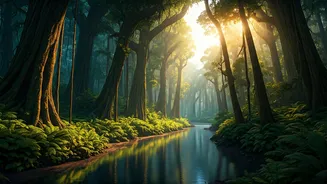
For years, the ultimate travel post was a landmark selfie—the Eiffel Tower, Machu Picchu, Times Square. But for a growing number of Millennial and Gen Z travelers, the social currency has changed. The new aspirational shot isn't of a monument, but of a moment: sipping coffee as a sloth hangs from a nearby tree, tracking wildlife on foot with a local guide, or paddleboarding through a mangrove forest at dawn. This isn't just about aesthetics; it's about broadcasting values. A post from a small, sustainable eco-lodge signals a commitment to conscious consumerism and a rejection of mass-market tourism. It says, 'I care about my impact' and 'I seek out authentic experiences.' This quiet, eco-luxe aesthetic—blending minimalist design with raw nature—is perfectly suited for the curated world of Instagram, creating a powerful feedback loop that drives both demand and awareness.
A Search for Authenticity and Impact
This trend isn't happening in a vacuum. It’s a direct response to a world saturated with digital noise and growing anxiety about the planet's future. After years of headlines about over-tourism and environmental degradation, younger travelers are more informed and intentional than ever. They’re armed with questions about an operator's sustainability practices, its relationship with the local community, and its animal welfare policies. They’re actively avoiding experiences that feel exploitative, like elephant riding or captive dolphin encounters. Instead, they're channeling their travel dollars toward companies that can prove their positive impact. This search for authenticity also extends to the experience itself. A boutique escape offers a chance to disconnect from Wi-Fi and reconnect with something real, trading endless scrolling for the unscripted drama of the natural world.
Where Does This Trend Go Next?
The rise of boutique wildlife travel is more than a passing fad; it's a marker of how travel priorities are evolving. It reflects the maturation of the 'experience economy,' where the memory of an intimate, meaningful encounter is worth more than any physical souvenir. As this demographic gains more spending power, expect to see the market continue to grow. We'll likely see more hybrid models emerge: lodges that double as research stations, trips that combine adventure with hands-on conservation work, and a greater emphasis on 'regenerative travel'—the idea of leaving a place better than you found it. The largest resorts and tour operators are already taking note, launching smaller, eco-branded offshoots to capture this discerning audience. The message is clear: the future of wildlife travel is smaller, quieter, and much more thoughtful.