



It’s Not Burnt, It’s Transformed
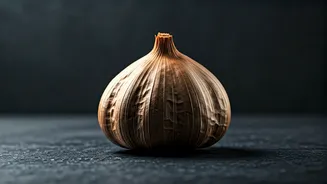
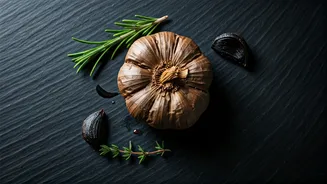
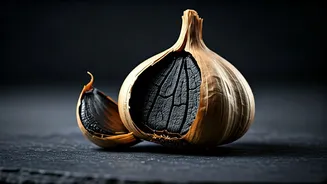
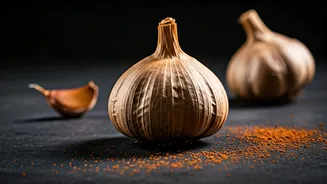
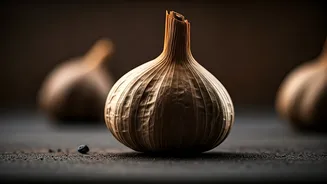
First, let's clear up what black garlic isn't. Despite its dramatic, inky appearance, it’s not a separate variety of garlic, nor is it fermented, smoked, or burned. Black garlic is the result of a slow, patient transformation. Regular heads of garlic are
held at a low, consistent temperature (around 140°F) in a high-humidity environment for several weeks. This isn't cooking; it’s a controlled aging process that triggers the Maillard reaction—the same chemical process that gives seared steak and toasted bread their deep, savory flavor. The cloves soften into a tender, almost jelly-like consistency, turning a deep, mysterious black. The result is an ingredient that shares a name with its pungent parent but behaves entirely differently.
The Flavor: Sweet, Savory, and Deeply Complex
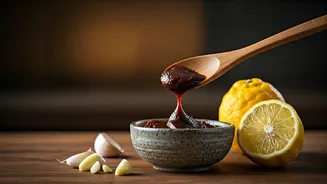
If regular garlic is a sharp, percussive cymbal crash, black garlic is a smooth, resonant cello note. The aggressive, spicy bite of raw garlic is gone, replaced by a symphony of deep, mellow flavors. The taste is a complex balance of sweet and savory, with rich notes of molasses, balsamic vinegar, and tamarind. It carries a profound umami essence—that satisfying, savory quality you find in mushrooms, soy sauce, and Parmesan cheese—which is why it adds such incredible depth to food. Because its texture is so soft and spreadable, it melds seamlessly into dishes, providing a background of sophisticated flavor without overpowering the other ingredients. It’s the kind of flavor that makes people pause and ask, “What is that? It’s amazing.” That’s main character energy.
The Easiest Upgrade for Everyday Basics
You don't need a complicated recipe to start using black garlic. Its biggest strength is its ability to upgrade the simplest things. The easiest entry point is black garlic compound butter. Just mash a few peeled cloves into a stick of softened butter with a pinch of salt. Spread it on crusty bread, melt it over a finished steak or piece of fish, or toss it with hot pasta. Another instant win is to blend it into sauces and spreads. Whisk a clove or two into a basic vinaigrette to give your salad a surprising depth. Or, for the ultimate sandwich spread or fry dip, mash it into mayonnaise or Greek yogurt to create a quick, cheffy aioli that feels leagues more sophisticated than the effort it took to make.
Level Up Your Pasta, Grains, and Veggies
When you’re ready to move into hot applications, black garlic shines. Because its flavor is already developed, you don’t need to cook it for long. One of the best uses is in a simple pasta sauce. Gently warm a few cloves in olive oil until they dissolve, then toss with your favorite pasta, a splash of pasta water, and a shower of Parmesan. The result is a dish with stunning complexity from just a handful of ingredients. You can also stir a purée of black garlic into risotto during the final minutes of cooking, fold it into mashed potatoes, or toss it with roasted vegetables like broccoli or Brussels sprouts right as they come out of the oven. The residual heat will be enough to release its aroma and coat the veggies in its savory-sweet glaze.
Where to Find It (and How to Store It)
A decade ago, black garlic was a niche ingredient found only in high-end restaurants. Today, it’s increasingly accessible. You can often find it in the produce section or international aisle of well-stocked grocery stores like Whole Foods, Trader Joe’s, and Wegmans. It’s also widely available at specialty food shops and online. It’s sold as whole heads, peeled cloves, or even a ready-to-use purée. Unopened, a head of black garlic is shelf-stable and can be stored in a cool, dark pantry for several months. Once you open it and expose it to air, it's best to keep the cloves in an airtight container in the refrigerator, where they will last for about a month.