



It Thrives on Neglect (and Heat)
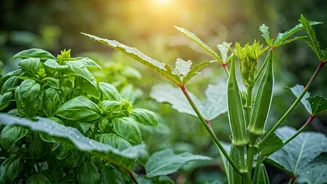
Many garden vegetables are delicate creatures, demanding precise temperatures and consistent moisture. Okra is not one of them. This plant is a sun-worshipping powerhouse that doesn’t just tolerate the dog days of summer; it requires them. Native to Africa,
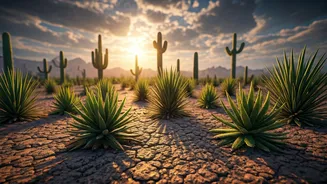
okra flourishes when temperatures climb above 85 degrees Fahrenheit, a point where other plants begin to shut down. This means you can plant it and largely forget about it during the hottest, most oppressive parts of the year. Once established, its deep root system also makes it remarkably drought-tolerant. While you shouldn’t let it go completely bone-dry for weeks on end, it won’t punish you for forgetting to water for a few days, unlike needier cucumbers or wilting lettuces. For the gardener who prefers a lawn chair to a watering can, this resilience is a game-changer.
Fewer Pests, Less Stress
Spend one season fighting off squash bugs, cabbage worms, and tomato hornworms, and you’ll understand the value of a naturally pest-resistant plant. Okra offers a welcome reprieve from the constant chemical or organic warfare required by other crops. Its thick, somewhat fuzzy stalks and leaves seem to deter many of the garden’s most notorious villains. While you might occasionally spot some aphids or stink bugs, major infestations are rare, especially on healthy plants. You likely won’t need to spend your weekends spraying neem oil or hand-picking caterpillars. This lack of pest pressure makes it an excellent candidate for organic gardening and saves the lazy (or busy) gardener a significant amount of time, worry, and work.
Set It and Forget It Planting
Getting started with okra couldn’t be simpler. There’s no need for complex indoor seed-starting setups, grow lights, or delicate transplanting schedules. Okra seeds are large, easy to handle, and prefer to be sown directly into the garden soil once it has warmed up in late spring. Simply wait until all danger of frost has passed and your soil temperature is consistently above 65°F. Poke the seeds about an inch deep into a sunny spot, give them a good initial watering, and walk away. Within a week or two, you’ll see sturdy seedlings emerge. That’s it. There’s no thinning a million tiny carrot sprouts or babying fragile pepper transplants. The simplicity of planting sets the tone for the entire growing experience: straightforward, forgiving, and refreshingly uncomplicated.
The Gift That Keeps on Giving
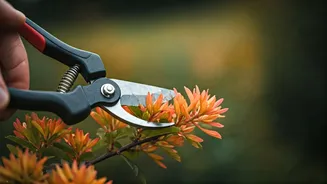
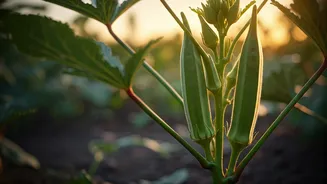
Some vegetables give you one big harvest, and then they’re done. Okra follows a much more generous model. Once the plants begin producing—typically about two months after planting—they become miniature food factories. An okra plant is a “cut-and-come-again” crop; the more you harvest, the more it produces. Check your plants every day or two, as the pods grow incredibly fast. Simply snip the tender pods when they reach about 3-5 inches long. This regular harvesting signals the plant to keep flowering and making more pods, often right up until the first frost. Just a few well-cared-for plants can provide a steady supply for a family all summer long, rewarding minimal initial effort with months of productivity.
More Than Just a Fried Side Dish
Perhaps okra’s biggest win is that all this easy gardening yields a truly versatile ingredient. If your only experience with okra is a slimy stew or a deep-fried morsel, you’re missing out. When picked young and cooked properly, it’s a culinary star. Try grilling whole pods tossed in olive oil until they’re tender and slightly charred—no slime, just a delicious, smoky flavor. Slice it lengthwise and roast it with spices for a crispy, addictive snack. It’s a fantastic thickening agent for gumbos and stews, but it also shines when quick-pickled, added to stir-fries, or sliced into rounds and air-fried. Embracing okra in the garden means opening up a world of simple, delicious summer cooking.