


An Adventure Before a Destination
Forget what you know about road trips. The Manali-Leh highway isn’t about popping into diners and finding a cheap motel. This is a 300-mile, two-day-minimum journey that’s as much a test of endurance as it is a vacation. Winding from the pine-scented
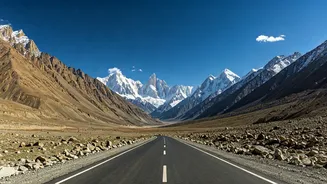
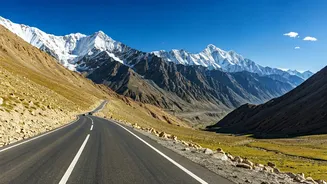
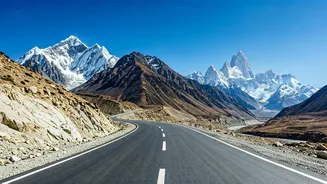
foothills of Manali to the high-altitude Buddhist kingdom of Leh, the road itself is the main event. You’ll climb over five Himalayan passes, some topping 17,000 feet—altitudes where the air gets thin and your heart pounds a little faster. This isn’t the Pacific Coast Highway; it’s a rugged, breathtaking gauntlet carved by military engineers to supply remote outposts. For travelers, that translates to an unparalleled sense of accomplishment. Every mile earned feels like a victory against the elements, making the final arrival in Leh feel less like reaching a destination and more like completing a pilgrimage.
A Landscape from Another World
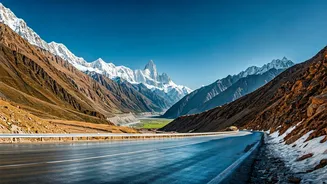
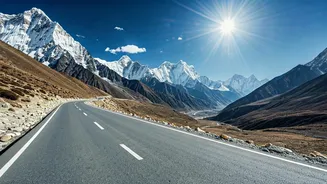
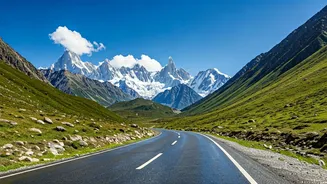
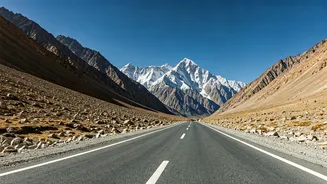
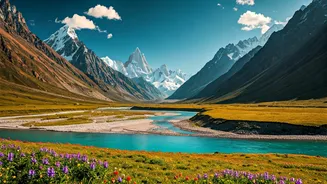
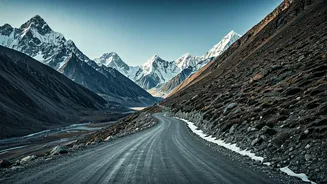
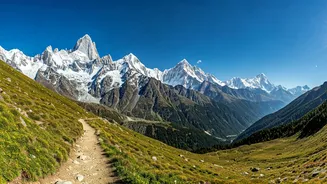
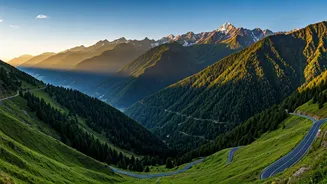
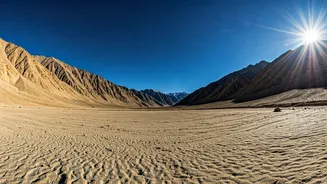
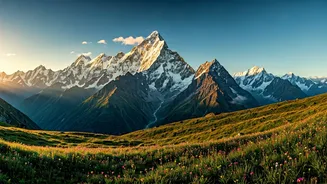
The single greatest draw of this journey is the scenery, which shifts with an almost impossible theatricality. The trip begins in the lush, green Kullu Valley, full of apple orchards and the roaring Beas River. But as you ascend the first major hurdle, Rohtang Pass, the world changes. The greenery falls away, replaced by the stark, raw beauty of the high Himalayas. You enter a world of barren plains, wind-sculpted canyons, and mountains streaked with minerals in shades of purple, brown, and ochre. You’ll navigate the 21 hairpin bends of the Gata Loops, drive across the impossibly vast Morey Plains—a 25-mile-long plateau that feels like driving on Mars—and cross glacial melts that turn the road into a temporary river. It’s a landscape so immense and primordial that it recalibrates your sense of scale, making you feel both tiny and profoundly connected to the planet.
More Than Just a Road
While the physical challenge and natural beauty are staggering, the Manali-Leh highway is also a deeply cultural journey. The route is a lifeline for the people of Ladakh, a region with a distinct Tibetan Buddhist identity. The landscape is punctuated by signs of this ancient faith: strings of prayer flags fluttering violently in the wind, small stupas (dome-shaped shrines) perched on hillsides, and mani walls—long stone walls inscribed with mantras. These aren't tourist displays; they are part of the living fabric of the land. The journey takes you through a spiritual landscape, where the silence of the mountains is broken only by the wind and the occasional chime of a temple bell. This layer of spirituality adds a dimension of peace and introspection to the adventure, transforming it from a simple road trip into a more meaningful experience.
The Practical Side of an Epic Journey
So, how does one tackle this beast? The road is only open from roughly June to early October, when snowplows finally clear the high passes. The cardinal rule is to take your time. Rushing the trip is a surefire way to get altitude sickness, which can be severe. The standard itinerary involves an overnight stop in Keylong or Jispa to acclimatize before pushing on to the higher altitudes. You can make the journey on a rented Royal Enfield motorcycle—the classic, romantic choice—or in the comfort of a hired 4x4 with a local driver who knows every treacherous curve. While the road has improved dramatically, you should still expect rough patches, water crossings, and the occasional delay due to a landslide. Pack layers, as you can experience freezing temperatures and blistering sun in the same day. Most importantly, bring a sense of adventure and a willingness to be humbled by the mountains.