





It’s Not Just for Vegans
First, let's clear something up. The explosive growth in plant-based eating isn't primarily driven by a mass conversion to strict vegetarianism or veganism. The real engine of this trend is the 'flexitarian'—someone who still eats meat but is consciously
reducing their consumption and actively incorporating more plant-based meals into their diet. A 2021 survey found that nearly 40% of Americans are trying to eat more plant-based foods. They aren't giving up their weekend barbecue, but they might be swapping a chicken salad for a quinoa bowl at lunch. This shift is about addition, not just subtraction. Consumers are looking for variety, health benefits, and new flavors, and high-protein veg meals offer a compelling, guilt-free option for a Tuesday night dinner.
The ‘Protein Halo’ Effect
In the modern wellness landscape, 'protein' is a magic word. We’ve been conditioned to associate it with satiety, muscle growth, and overall health. Food marketers know this well, plastering 'High in Protein!' on everything from cereal to ice cream. This 'protein halo' makes consumers view a product as inherently healthier. Now, that same logic is supercharging the plant-based category. A lentil soup is no longer just a humble soup; it’s a 'plant-powered protein' meal. This reframing has been critical. It shifts the perception of vegetarian food from being potentially lacking to being actively performance-enhancing. It appeals directly to the fitness-conscious consumer who might have previously worried about getting enough protein from plants alone, effectively neutralizing one of the oldest arguments against meat-free diets.
Meet the New Protein All-Stars
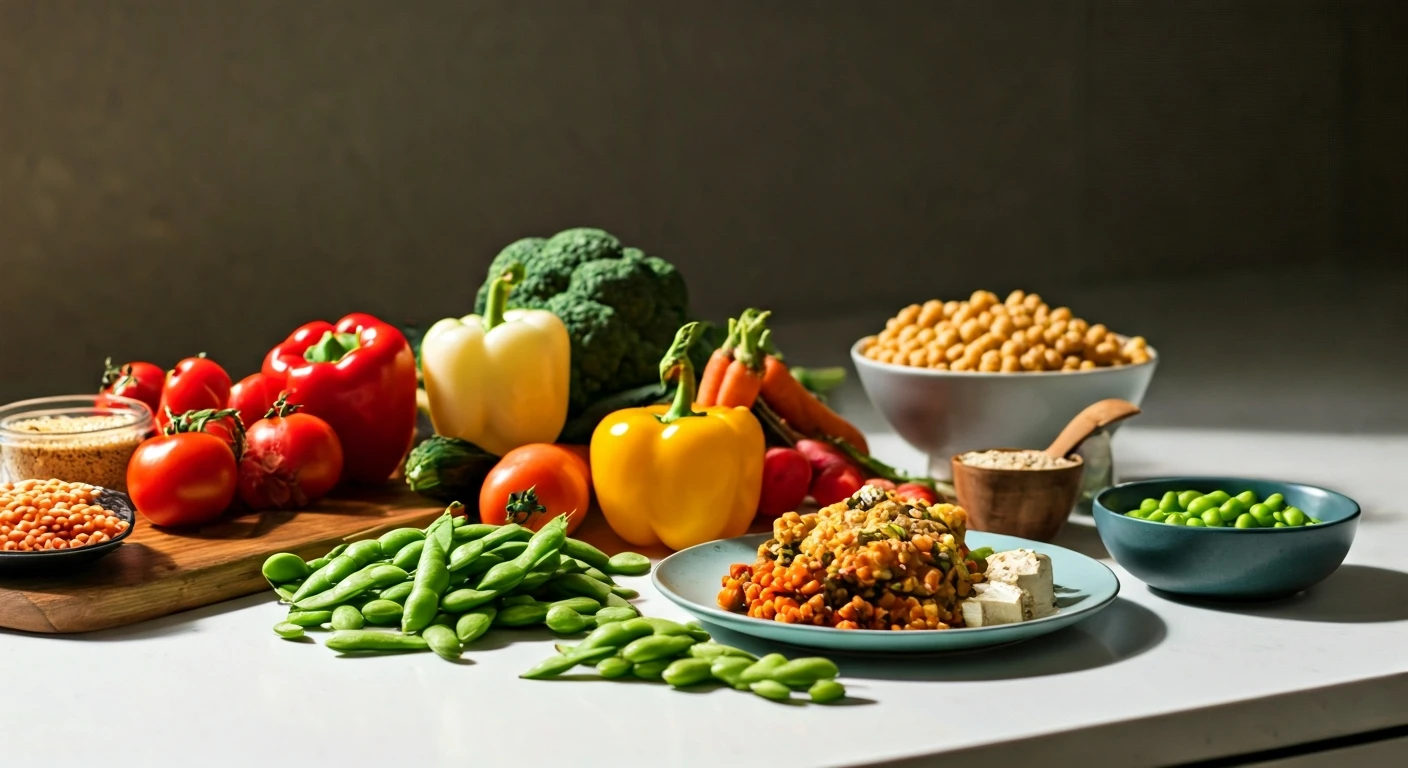
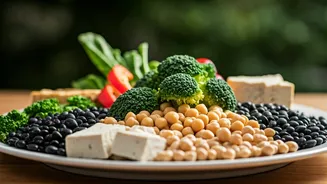
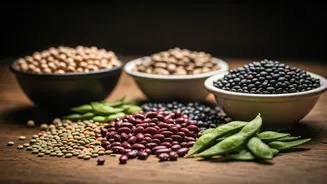
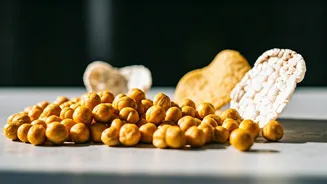
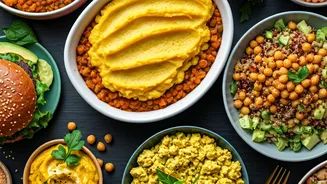
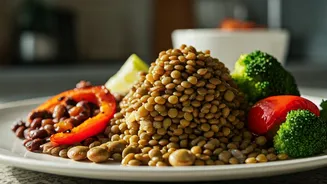
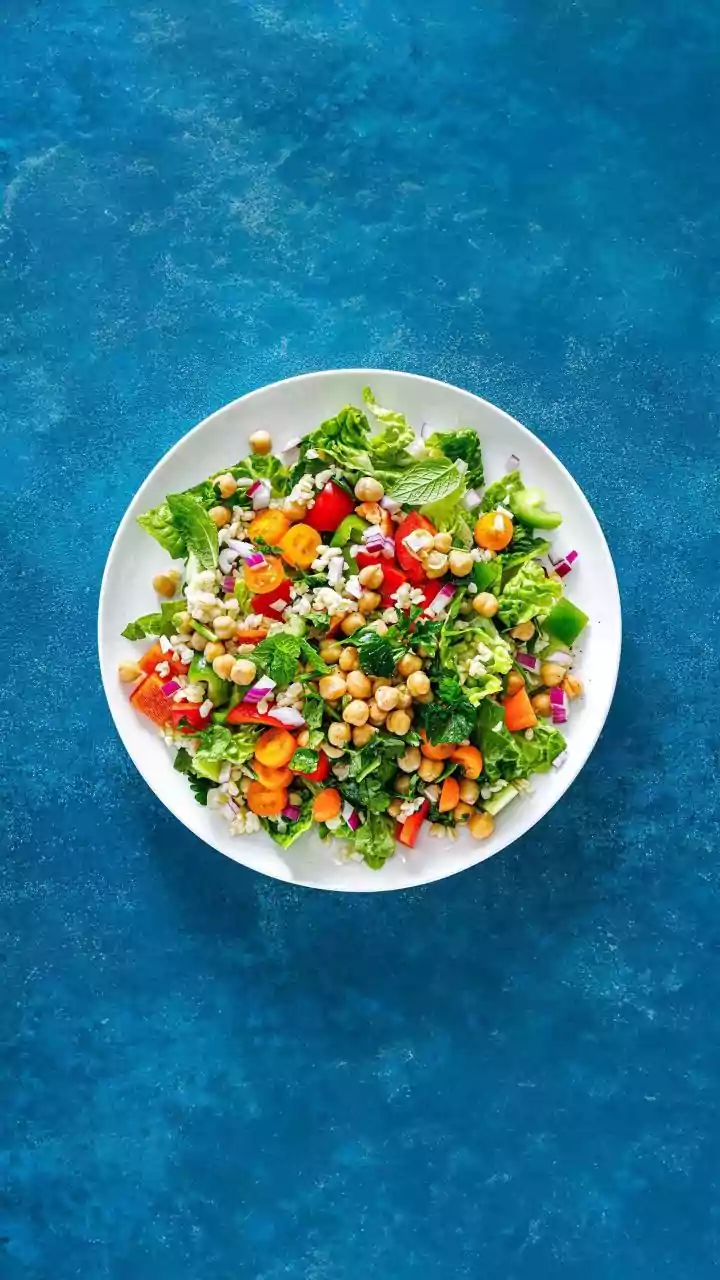
For decades, the face of vegetarian protein was often a block of bland, jiggly tofu. While tofu and its fermented cousin, tempeh, are still fantastic sources, the cast of characters has expanded dramatically. The real heroes of this new wave are versatile, affordable, and nutrient-dense. Think chickpeas, which can be roasted for a snack, blended into hummus, or form the base of a hearty curry. Lentils, a staple in global cuisines for centuries, are now the foundation for veggie burgers, 'meat' loaves, and rich stews. Quinoa, an ancient grain that's a complete protein, has gone from a niche health-food-store item to a mainstream pantry staple. And don't forget edamame, black beans, and seitan (a high-protein food made from wheat gluten). This variety makes it easier than ever to build a satisfying, protein-rich meal without feeling like you're missing out.
Driven by Health and Planet
The motivations behind this shift are twofold. On a personal level, many people report simply feeling better when they eat less meat—experiencing less bloating and more energy. Plant-based diets are rich in fiber, vitamins, and minerals and are naturally free of cholesterol. But the macro-level concerns are just as powerful. Awareness about the environmental impact of industrial animal agriculture is at an all-time high. Consumers, particularly Millennials and Gen Z, are increasingly making purchasing decisions based on sustainability. Choosing a bean burrito over a beef one has a demonstrably smaller carbon and water footprint. This combination of 'good for me' and 'good for the planet' creates a powerful incentive that transcends simple dietary preference; for many, it's a lifestyle choice that aligns with their values.
Finally, It Actually Tastes Good
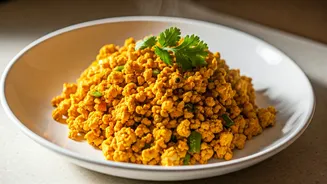
Perhaps the most important factor in the rise of high-protein veg meals is the flavor revolution. The days of boiled vegetables and unseasoned tofu being passed off as a 'healthy option' are over. Today’s plant-forward cooking is bold, globally inspired, and delicious. Chefs and food companies have learned that fat, salt, acid, and umami are just as crucial in a vegetable dish as they are in a meat-based one. Techniques like roasting and charring bring out deep, complex flavors in vegetables. The widespread availability of spices and ingredients from around the world—think gochujang, miso, and harissa—allows home cooks to create incredibly savory and satisfying dishes. When a black bean burger with chipotle aioli or a spicy Thai red curry with seitan is just as crave-worthy as its meaty counterpart, the choice becomes much, much easier.