







The Power Outage Playbook
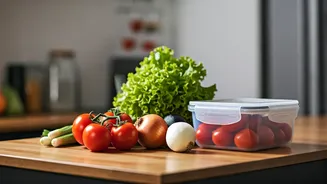
The first casualty of a big storm is often the power grid, and your refrigerator is on the front line. The old advice was just to keep the door shut, but a real glow-up means having a clear strategy. According to the USDA, a refrigerator will keep food
safe for about four hours if it's unopened. A full freezer will hold its temperature for about 48 hours (24 hours if half-full). The key is to avoid opening the doors as much as possible. Keep a couple of appliance thermometers inside—one in the fridge, one in the freezer—to monitor the temperature. Once power is restored, check the temps. The fridge should be below 40°F and the freezer at or below 0°F. If perishable foods like meat, poultry, fish, eggs, or leftovers have been above 40°F for two hours or more, they must be discarded. When in doubt, throw it out. It’s a painful loss, but foodborne illness is far worse.
Upgrade Your Water Wisdom
Flooding and infrastructure damage can contaminate municipal water supplies or your private well, making tap water unsafe to drink or use for cooking. Local authorities will issue a boil water advisory if contamination is suspected. This is your cue to switch gears. For drinking, brushing teeth, and washing produce, use only bottled water or water you have properly disinfected. To do this, bring water to a rolling boil for at least one minute (or three minutes at altitudes above 6,500 feet). If you can't boil it, you can use regular, unscented household bleach. The CDC recommends adding 1/8 teaspoon of bleach per gallon of clear water, stirring, and letting it stand for 30 minutes before using. Don't forget about your ice maker—dump any ice made during the outage or advisory and sanitize the bin before making a new batch.
Rethink Your Produce Protocols
If you have a garden or buy from local farm stands, you need a protocol for produce that may have been exposed to floodwater. The FDA is clear: do not eat any food that may have come into contact with floodwater. This is because floodwater can contain sewage, chemicals, and disease-causing pathogens that can’t be simply washed off. For commercially packaged produce, if the container is a can, pouch, or box that is waterproof and has not been damaged, it can be salvaged. Thoroughly wash and sanitize the outside of the container before opening. However, any foods in containers with screw-caps, snap lids, or pull tops should be discarded if they’ve touched floodwater, as it’s impossible to ensure they are safely sealed.
Build a Smarter Storm Pantry
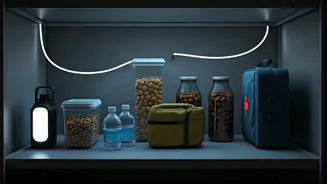
A modern storm pantry is about more than just canned beans. It’s a curated collection of non-perishable foods that don't require cooking or refrigeration. Think beyond the basics and stock items that provide comfort and nutrition. Good options include protein bars, peanut butter, dried fruit, nuts, crackers, and shelf-stable milk or plant-based milk alternatives. Canned meats, fish, fruits, and vegetables are still staples, but make sure you have a manual can opener. Don't forget to stock up on food for infants, elderly family members, or anyone with special dietary needs. Aim for at least a three-day supply of food and water for every person in your household. And here's the real glow-up: rotate your stock every six to twelve months to ensure everything is fresh when you need it most.
The Post-Storm Cleanup Crew
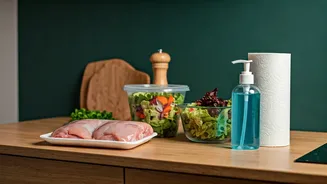
Once the storm has passed and the power is back, the final step is a thorough cleanup. Food contact surfaces that may have been contaminated—like countertops, cutting boards, and utensils—need to be washed and sanitized. Wash them first with hot, soapy water, then rinse. To sanitize, you can use a solution of one tablespoon of unscented liquid chlorine bleach per gallon of water. Let the solution sit on the surface for at least one minute before rinsing and air-drying. This step is non-negotiable for preventing cross-contamination from any lingering bacteria that may have flourished during the outage.