




The Rise of the ‘Take-Home’ Habit
The wellness retreat used to be a temporary escape—a hard reset button you’d press before returning to the same old chaos. The goal was the trip itself. But something has shifted. For a growing number of travelers, the true value of a retreat isn't the escape,
but the instruction manual it provides for a more balanced life back home. Fueled by post-pandemic burnout and a collective desire for more intentional living, people are no longer treating these trips as isolated luxuries. Instead, they’re mining them for sustainable practices. The new souvenir isn't a kitschy t-shirt; it's a daily meditation habit, a newfound love for mindful eating, or a commitment to a daily walk without a podcast. This isn't about perfectly replicating a serene, phone-free week in the mountains. It's about identifying the core principles that made you feel good—stillness, connection, nature—and strategically weaving them into the fabric of a busy, modern life.
The Daily Digital Detox
On retreat, your phone is often collected at the door, a forced separation that feels jarring at first, then blissful. The take-home version is less absolute but just as powerful. It’s about creating intentional tech-free zones and times. This might look like implementing a “no phones at the dinner table” rule, a practice that encourages conversation and mindful eating. Others are designating a specific charging station in a room they don't frequent, like a home office or laundry room, to prevent the phone from being the first and last thing they see each day. Another popular tactic is the “digital sunset,” where all screens are turned off an hour before bed. It’s not about getting rid of your devices; it’s about reclaiming control and deciding when and where they serve you, rather than being constantly at their beck and call.
Mindful Eating, Not Just Meal Prep
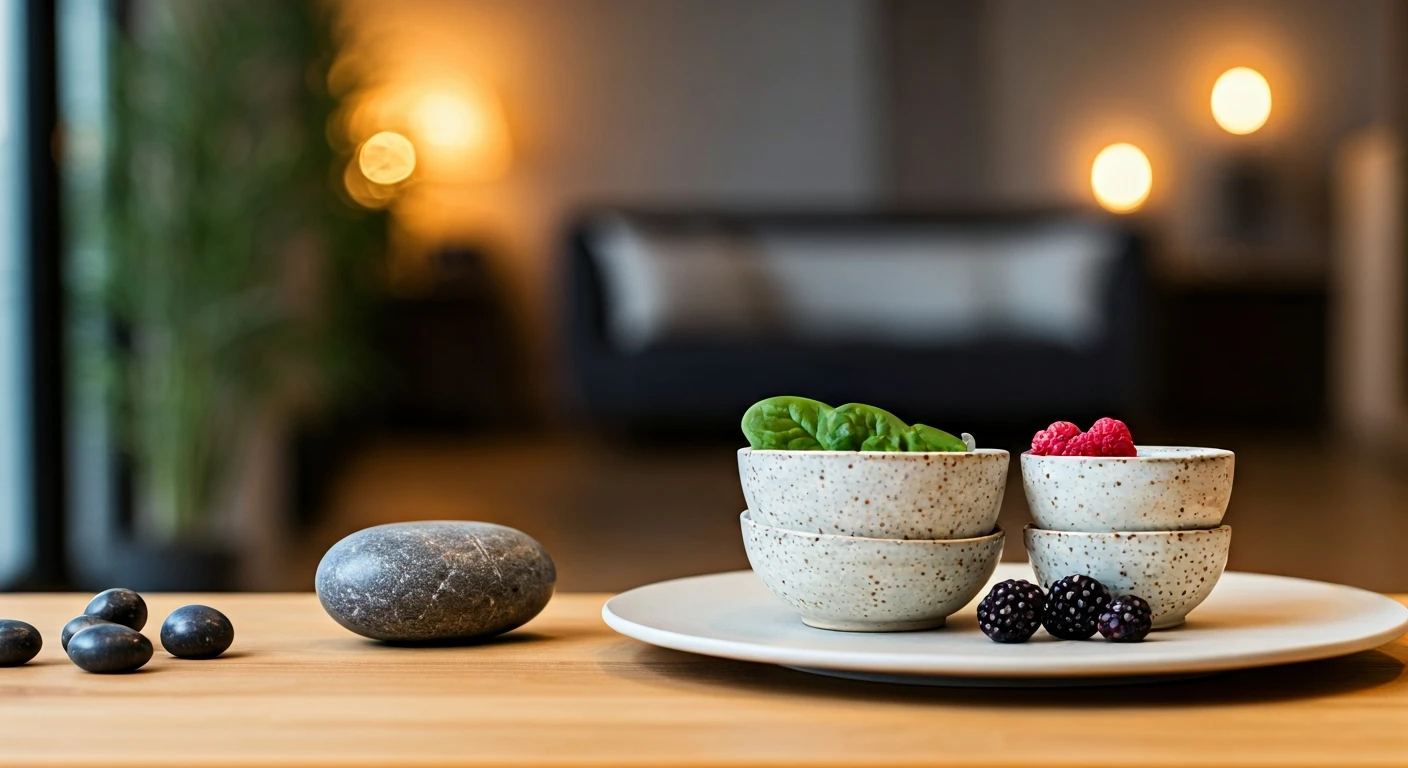
Retreat meals are often a highlight: simple, nourishing, and eaten slowly, either in silence or with engaging company. It’s a stark contrast to the sad desk salad or shoveling down food while standing at the kitchen counter. Bringing this home isn’t about hiring a private chef. It's about shifting the intention behind eating. The first step is simple: sit down. Put your food on a plate. Take a few deep breaths before the first bite. This small ritual signals to your body that it’s time to eat and digest, not to work or scroll. Another aspect is engaging the senses, a core tenet of mindful eating. Notice the colors, smells, and textures of your food. By slowing down and paying attention, you not only enjoy your meal more but also become better attuned to your body’s hunger and fullness cues, breaking the cycle of mindless overeating.
Scheduling Stillness and Single-Tasking
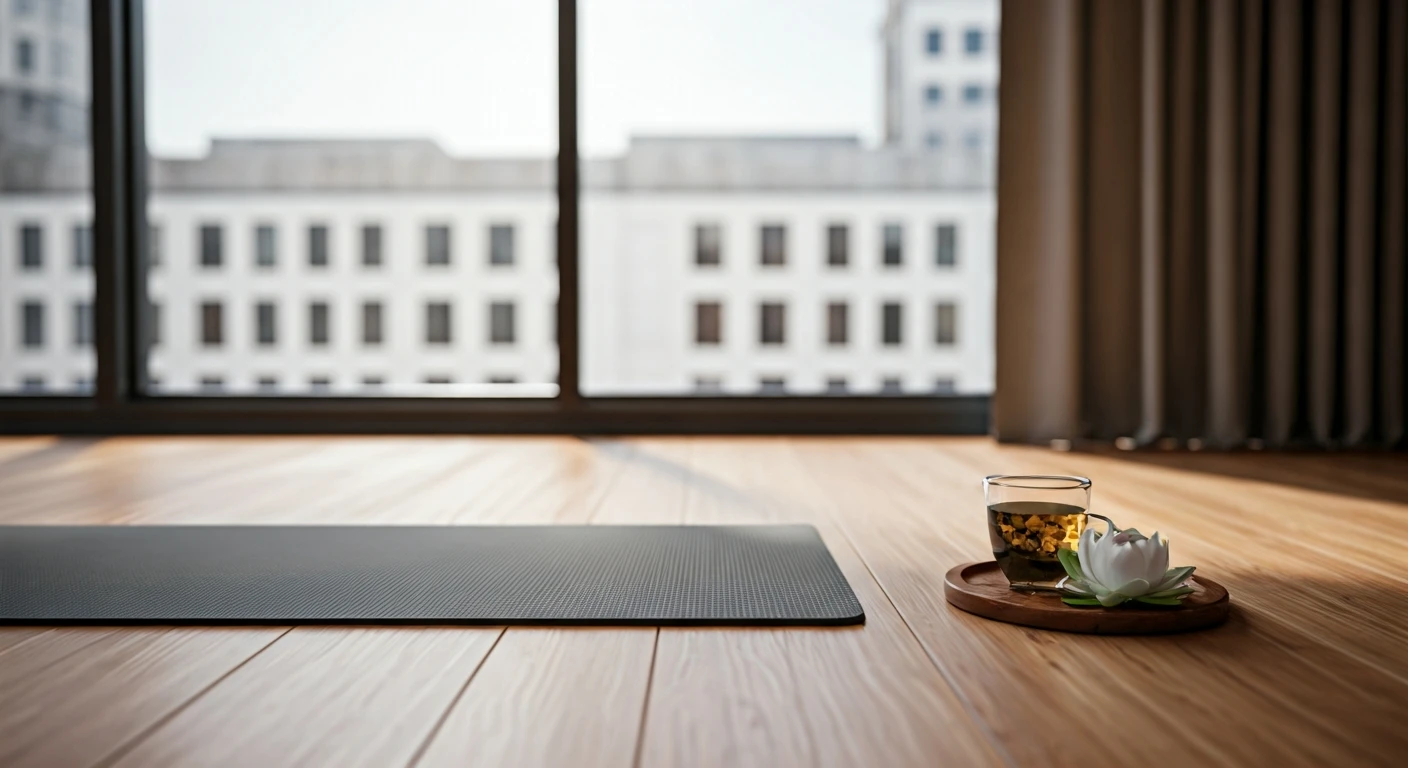
One of the greatest luxuries of a retreat is the empty space in the schedule—time for quiet reflection, reading, or simply being. In our hyper-productive culture, unstructured time can feel like a waste. But veterans of wellness travel know it's the most productive time of all. The at-home translation is “scheduled stillness.” This means literally blocking out 10-15 minutes in your calendar for “nothing.” Don’t try to fill it with meditation or yoga if that feels like another task. Just sit with a cup of tea, look out the window, or listen to the sounds around you. This practice extends to single-tasking. Instead of listening to a podcast while answering emails, just answer the emails. Instead of scrolling Instagram while watching TV, just watch the TV. By giving one thing your full attention, you reduce mental fragmentation and cultivate the calm, focused state you felt on retreat.
Movement with Intention
Fitness at a retreat is rarely about “crushing a workout.” It’s more likely to be a gentle sunrise yoga session, a long walk in the woods, or a restorative stretching class. The focus is on connecting with your body, not punishing it. This mindset is profoundly changing how people approach exercise at home. Instead of a high-intensity interval session that leaves them depleted, they might opt for a 20-minute gentle yoga flow found on YouTube. The goal shifts from burning calories to releasing tension. It could mean swapping a grueling run for a long walk in a local park, focusing on the feeling of the sun and air rather than pace and distance. This is about finding joy in movement and listening to what your body needs on any given day—be it energy or rest—rather than forcing it to conform to a rigid, unforgiving schedule.