



Beyond the Postcard
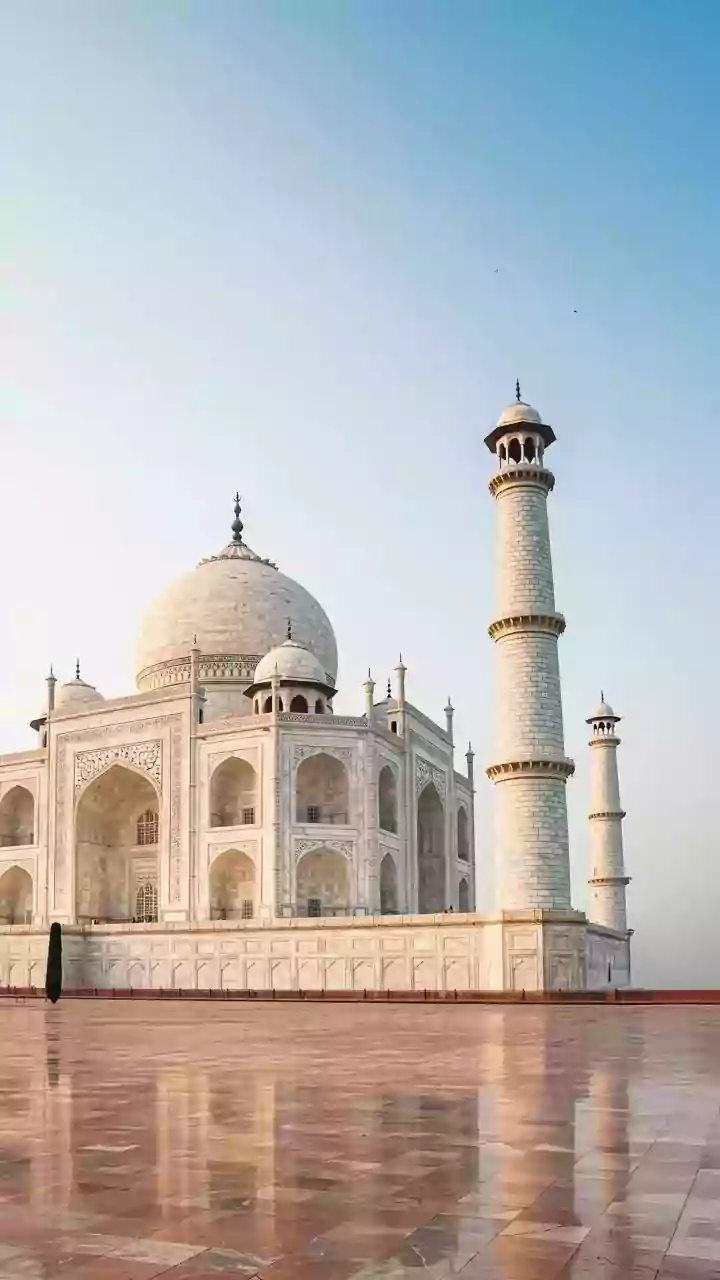
For decades, tourism was a game of monument-hopping. You went to Paris to see the Eiffel Tower, New York for the Statue of Liberty, and San Francisco for the Golden Gate Bridge. You took a photo, bought a souvenir, and checked it off the list. But a seismic
shift is underway. Travelers, particularly millennials and Gen Z, are increasingly seeking not just to see a place, but to *do* something there. This is experience-led travel: prioritizing hands-on activities, local culture, and personal growth over passive observation. It’s the difference between looking at a museum painting and taking a pottery class with a local artist, or between eating at a famous restaurant and learning to cook a regional dish in a local's kitchen. Fueled by a desire for authenticity and unique stories to share (often on social media), this approach is fundamentally changing why we travel and where we go.
The Creative Hub Comes Alive
Nowhere is this trend more visible than in cities that have long flown under the tourism radar. Take Kansas City, Missouri. Once considered a flyover city, it has reinvented itself as a creative powerhouse. Tourists aren't just coming for its famous barbecue anymore; they're coming to experience it. They’re taking barbecue classes, touring legendary smokehouses, and judging heated debates between rival pitmasters. Beyond the food, they're exploring the Crossroads Arts District during its 'First Fridays,' where galleries and studios open their doors, and diving into the rich history of jazz at venues in the 18th & Vine district. These aren't attractions you simply look at. They are immersive scenes you become a part of, and they give Kansas City a gravitational pull it never had when tourism was just about seeing the Gateway Arch four hours east.
From Industrial Town to Outdoor Playground
This transformation isn't limited to arts and culture. Consider Chattanooga, Tennessee. A generation ago, it was known as one of America’s most polluted cities. Today, it’s consistently ranked as one of the best outdoor towns in the country. The city leveraged its natural assets—the Tennessee River and surrounding mountains—to build a new identity. The 'boost' from experience-led travel comes from people who want to go rock climbing, kayaking, mountain biking, or hiking, and then enjoy a vibrant downtown with craft breweries, independent restaurants, and a walkable riverfront. Chattanooga didn't build a single massive monument to attract visitors. Instead, it cleaned its river, built 16 miles of pedestrian paths, and fostered an ecosystem where outdoor adventure is the main event. The city itself is the basecamp, and the experience is the attraction.
A Different Kind of Economic Boost
The economic impact of this trend is more nuanced and, arguably, more sustainable than traditional mass tourism. When travelers book a foraging tour, a screen-printing workshop, or a guided fishing trip, their money is more likely to go directly to a small business owner or a local guide. This model fosters a diverse ecosystem of entrepreneurs who are passionate about their craft and their home. It creates jobs that are rooted in the city’s unique identity, rather than in generic, low-wage service positions at a massive resort. This fosters a sense of local pride and helps preserve the very culture that attracts visitors in the first place. Instead of cities changing to please tourists, tourism is now rewarding cities for being unapologetically themselves.