







So, What Are These Pancakes?
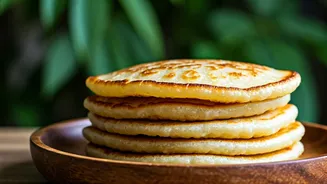
First, let's manage expectations. When you hear 'pancake,' you might picture a fluffy, buttery stack served with maple syrup. These are something else entirely. Known as *malpua*, they are a beloved dessert across India, Nepal, and Bangladesh. Instead
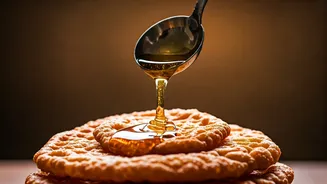
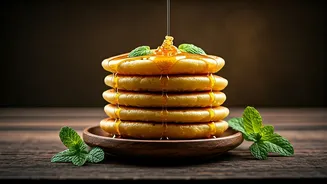
of a griddle, they are shallow-fried or deep-fried, resulting in a treat that’s beautifully crisp around the edges while remaining soft and slightly chewy in the center. The batter is typically made from all-purpose flour or semolina, thinned with milk or water, and often enriched with *khoya* (dried milk solids) for a richer texture. But the real magic happens after the fry. The golden-brown discs are immediately plunged into a warm sugar syrup, which they greedily soak up. This syrup is usually infused with fragrant spices like green cardamom or saffron, giving the malpua its signature aromatic sweetness.
The All-Important Monsoon Connection
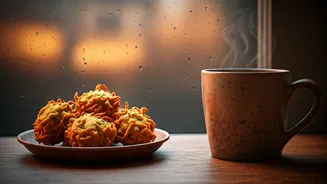
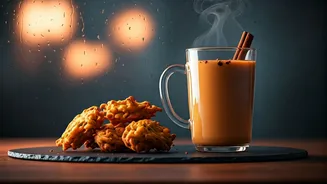
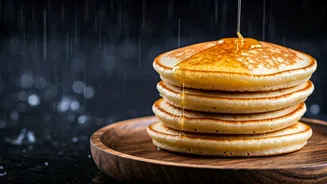
The name 'monsoon pancake' isn't just a catchy moniker; it speaks to a deep cultural tradition. In South Asia, the monsoon season is more than just rain—it's a transformative event that brings relief from scorching summer heat, nourishes the land, and signals a time of renewal. With this shift in weather comes a change in cravings. The desire for cooling, light foods gives way to a yearning for warm, rich, and comforting treats. Enter the malpua. A hot, freshly fried pancake dripping with sweet syrup is the perfect antidote to a cool, rainy day. It’s the culinary equivalent of putting on a favorite sweater. This connection is why you'll see a surge in home cooks and food bloggers sharing their malpua creations as soon as the rains begin, celebrating the season with a dish that feels like a hug in food form.
More Than Just a Rainy-Day Snack
While intrinsically linked to the monsoon, malpua’s significance extends to major festivals throughout the year. It's a celebratory food, prepared in households for special occasions. During Holi, the festival of colors, and Diwali, the festival of lights, platters of malpua are shared among family and friends. In some regions, they are offered to deities as part of religious rituals before being distributed as *prasad* (a blessed food offering). This dual identity—as both a seasonal comfort and a festive delicacy—gives malpua a cherished place in the culinary landscape. Its presence on a table signals either a cozy day indoors or a moment of joyous celebration.
What Do They Actually Taste Like?
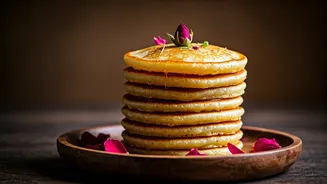
Imagine biting into something with a delicate, lacy, crisp edge that gives way to a soft, cake-like interior. The first flavor is the floral sweetness of the cardamom or saffron-infused syrup, followed by the rich, milky taste of the pancake itself. Some recipes also include fennel seeds in the batter, which add a faint, pleasant anise-like note. Others incorporate mashed bananas for extra moisture and flavor. They are intensely sweet, but in a complex, aromatic way, not just a sugary one. Often served warm, they might be garnished with chopped pistachios or almonds for a bit of crunch, or sometimes with a side of *rabri*, a thickened, sweetened milk, for an even more decadent experience. It’s a dessert that engages multiple senses: the sight of the golden disc, the aroma of the spices, and the contrasting textures in every bite.
Why Are They Trending Now?
In an era of hyper-visual social media, malpua is perfectly cast. The glistening syrup, the golden-brown hue, and the colorful nut garnishes make it incredibly photogenic. But the trend goes deeper. As more people explore global cuisines from their kitchens, authentic, traditional recipes are gaining massive traction. Food creators on Instagram and TikTok who specialize in regional Indian cooking have brought dishes like malpua to a wider, international audience. There's also a growing appreciation for the stories behind food. Learning that a dish is tied to a specific season or festival adds a layer of meaning that a generic dessert lacks. In a way, discovering malpua isn't just about finding a new pancake; it's about connecting with a tradition, a climate, and a culture, one sweet, syrupy bite at a time.