








The Solar Powerhouse Awakens
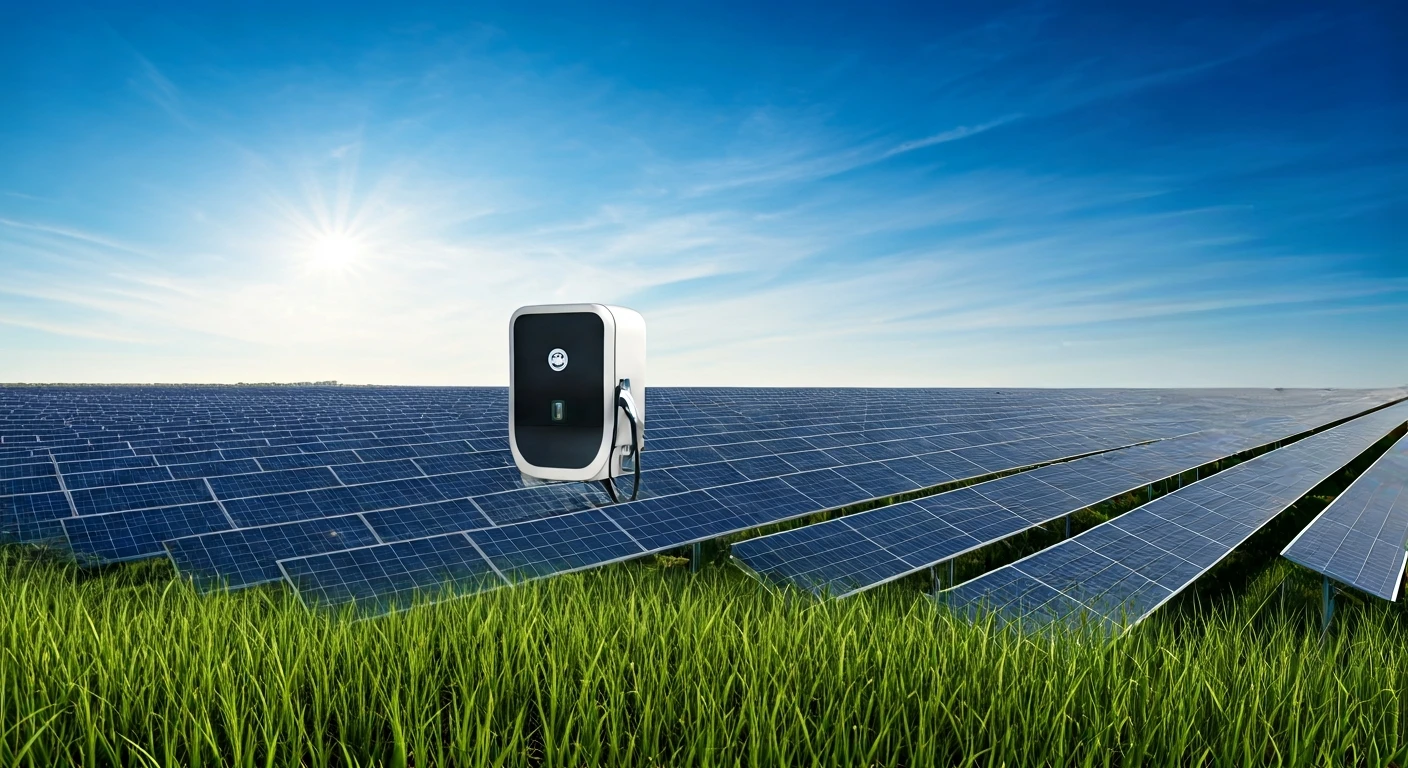
The most visible symbol of India's green transition is the rapid proliferation of solar panels, blanketing deserts and rooftops alike. The country has aggressively pursued solar power, not just as an environmental policy but as a cornerstone of its economic
and energy security strategy. In less than a decade, India has catapulted itself into the top five globally for solar capacity, growing its installed base from a mere 2.6 gigawatts in 2014 to over 80 GW today. This isn't happening by accident. The government has used a combination of ambitious national targets, production-linked incentives for domestic manufacturing, and massive utility-scale projects like the Bhadla Solar Park in Rajasthan—one of the largest in the world—to drive down costs and accelerate deployment. For a nation historically dependent on expensive imported fossil fuels, cheap, domestically produced solar power is a game-changer, promising to electrify rural villages and power bustling cities while cleaning the air.
An EV Revolution on Two and Three Wheels
When Americans think of electric vehicles, they picture a Tesla or a Ford F-150 Lightning. In India, the EV revolution looks very different—and it's happening much faster on a smaller scale. The real action is in the two- and three-wheeler segments. Electric scooters and auto-rickshaws are rapidly replacing their noisy, polluting gasoline counterparts in crowded cities. This segment accounts for the vast majority of EV sales in the country. Companies like Ola Electric, Ather Energy, and Bajaj are locked in a fierce battle for market share, driving innovation and making e-scooters a trendy, practical choice for millions of commuters. This focus is strategic: two-wheelers make up nearly 80% of all vehicles on Indian roads. By electrifying this massive fleet first, India can achieve significant and rapid reductions in urban air pollution and oil consumption, tackling a public health crisis and an economic vulnerability at the same time.
Beyond the Obvious: Green Hydrogen and Efficiency
India's ambitions extend beyond solar panels and electric scooters. The government is making a major bet on green hydrogen as the fuel of the future for heavy industry and long-haul transport. The National Green Hydrogen Mission, launched in 2021, aims to make India a global hub for the production and export of this clean fuel, which is created by splitting water using renewable electricity. While still in its early stages, the policy has attracted significant interest from both domestic industrial giants like Reliance and Adani and international partners. Alongside these futuristic bets, there's a strong, practical focus on energy efficiency. The government's UJALA program, for instance, has distributed hundreds of millions of subsidized LED light bulbs, dramatically reducing residential electricity consumption. These less glamorous but highly effective initiatives are crucial, chipping away at energy demand and making the entire transition more manageable and affordable.
What's Driving the Shift?
This green pivot is fueled by a powerful convergence of economics, geopolitics, and national security. First, the economics have flipped. Solar power is now the cheapest source of new electricity in India, making renewables the logical choice for a country with soaring energy needs. Second, energy security is a paramount concern. India imports over 85% of its crude oil, leaving its economy vulnerable to volatile global prices. Shifting to domestic renewable energy and electric mobility is a direct path to greater self-reliance. Finally, there's a clear geopolitical ambition. By positioning itself as a leader in the green transition, India is carving out a new role on the world stage—not as a follower of Western-led climate action, but as a clean-tech powerhouse creating its own model for sustainable development.
The Coal Conundrum and Other Hurdles
Despite the remarkable progress, the path ahead is not without significant challenges. The elephant in the room remains coal, which still generates about 70% of India's electricity and supports millions of livelihoods. Phasing out coal is a monumental economic and social challenge that will take decades, not years. Securing the massive investment needed—estimated in the trillions of dollars—for a full green transition is another major hurdle, requiring both public and private capital from domestic and international sources. Furthermore, India’s electricity grid needs significant modernization to handle the intermittent nature of wind and solar power. While the progress is undeniable, the scale of the task is immense, and balancing growth with green commitments remains a delicate, high-stakes tightrope walk.