
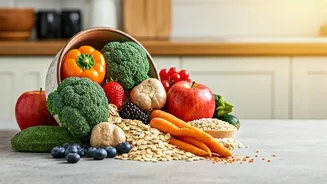


Why Your Gut Loves Variety
Think of your gut microbiome as a bustling, vibrant rainforest. It’s home to trillions of microorganisms, and just like in a rainforest, diversity is a sign of health and resilience. Different types of bacteria (the “good guys”) thrive on different types of food,
particularly the fibers found in plants. When you eat the same handful of foods day after day, you’re only feeding a small fraction of that ecosystem. The rest can languish. By contrast, eating a wide array of foods provides a rich buffet for a broader range of gut microbes. This helps them flourish, producing beneficial compounds that can support your immune system, mood, and overall health. The goal isn't to find one perfect “superfood,” but to create a diet that nourishes the entire community within you. This simple shift in perspective—from restriction to abundance—is the first step toward making gut health feel less like a chore and more like a culinary adventure.
Aim for Plant 'Points,' Not Perfection
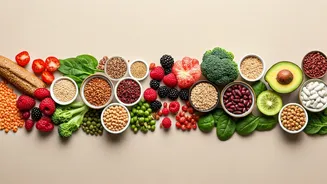
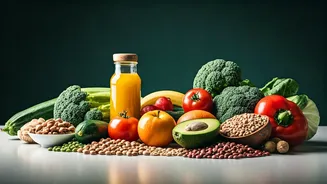
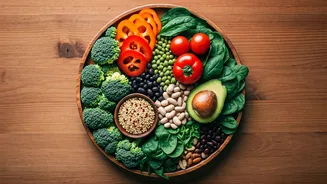
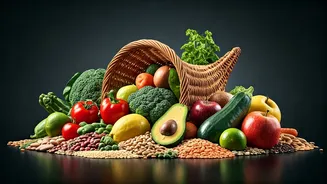
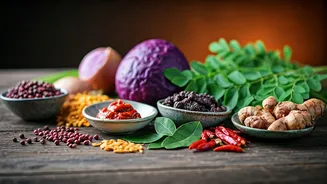
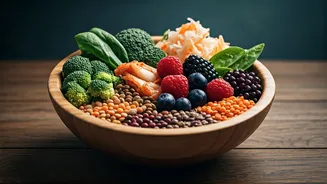
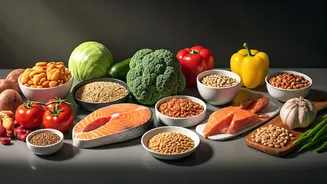
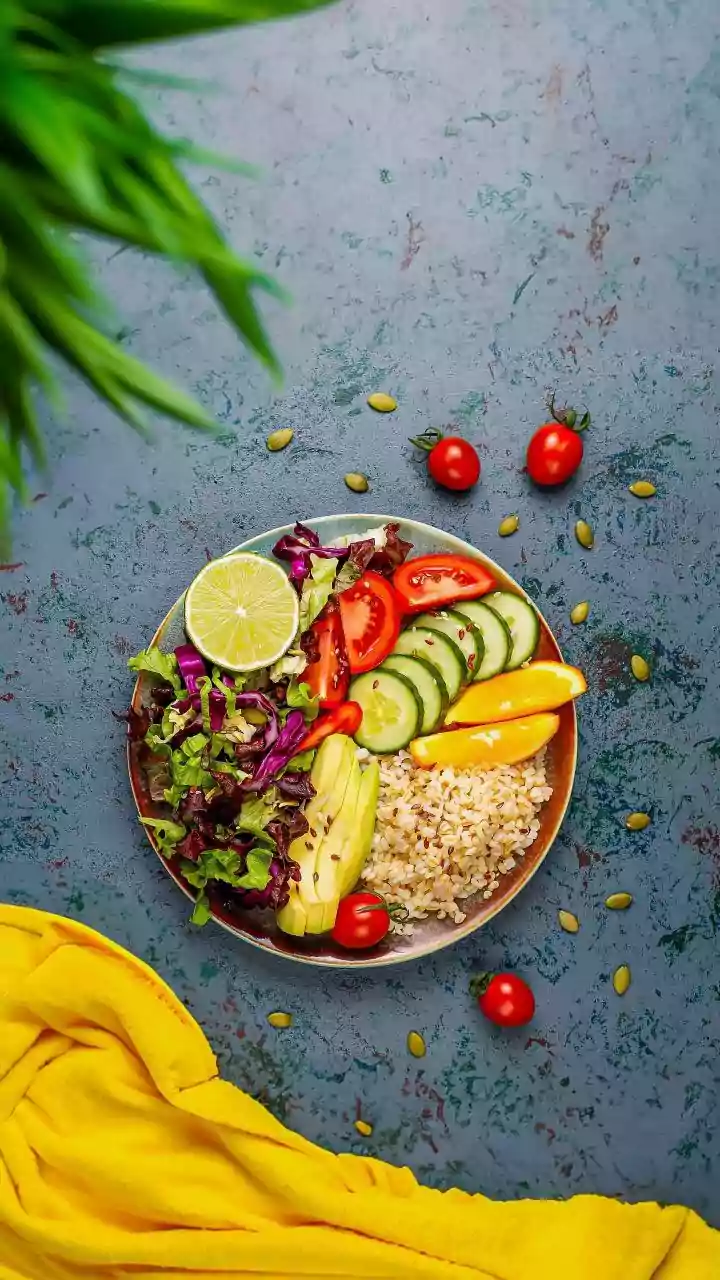
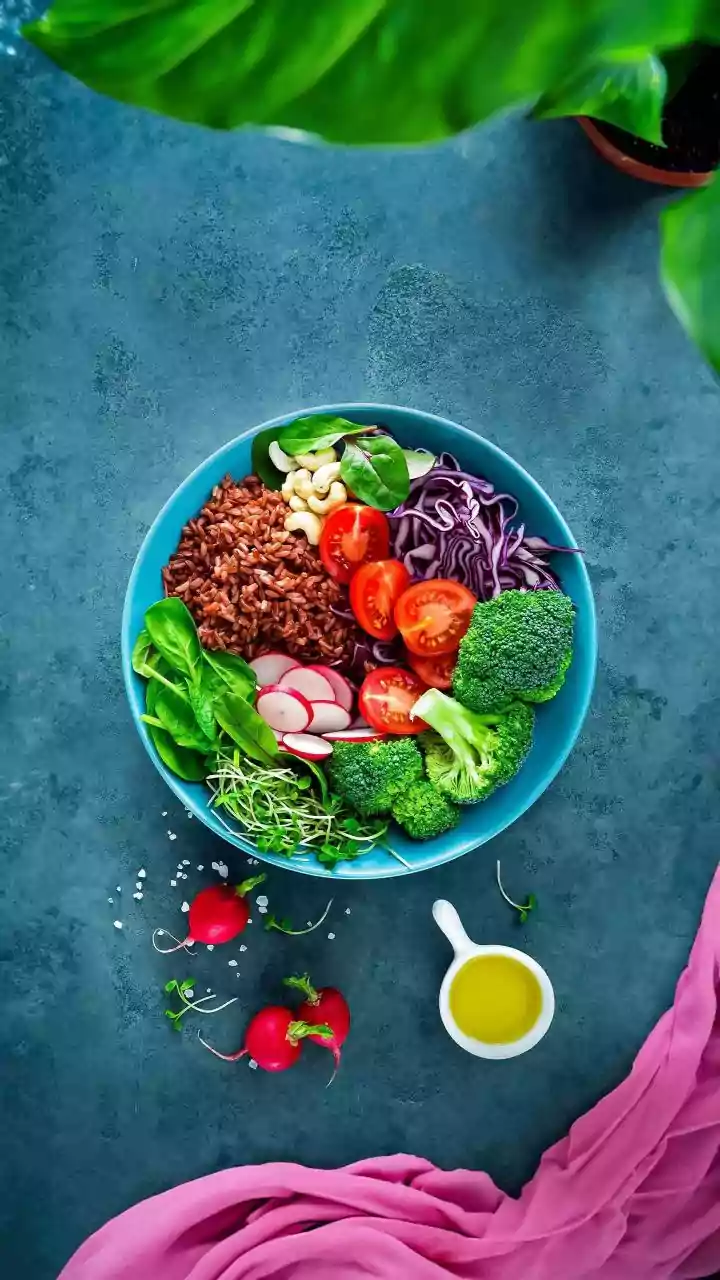
A popular guideline emerging from research, including the American Gut Project, is to aim for 30 different types of plants per week. Before that number sounds intimidating, let’s redefine what “plant” means in this context. It’s not just fruits and vegetables. It includes whole grains, nuts, seeds, beans, legumes, herbs, and spices. Suddenly, 30 seems much more manageable. Think of it as a game, not a rule. That sprinkle of oregano on your pizza? That’s one point. The sesame seeds on your bagel? That’s another. The onion and garlic in your pasta sauce? Two more points. This framework encourages you to notice the small things and make tiny, incremental upgrades. Instead of buying only almonds, maybe grab a mixed nut blend. Instead of using just one herb, buy a combination pack. You don’t need to hit 30 every single week, especially at first. The goal is to simply nudge your count upward over time.
Small Swaps with a Big Payoff
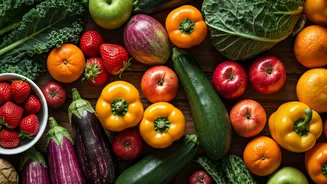
Making your diet more diverse doesn't require a complete kitchen overhaul. The most sustainable changes are the ones that fit seamlessly into your existing routine. The key is to think “add,” not “subtract.” Here are some almost-effortless ideas: * **Upgrade Your Grains:** If you normally eat white pasta or rice, try a whole wheat, chickpea, or quinoa version next time. Buying a loaf of multigrain bread instead of plain whole wheat can add three or four new plant points. * **Rotate Your Produce:** If you always buy Fuji apples, try a Gala or a Honeycrisp. If your go-to salad green is romaine, swap in spinach or arugula. Buy a bag of mixed bell peppers instead of just one color. * **Embrace Bean Diversity:** Canned beans are an inexpensive powerhouse of fiber. If you usually use black beans, try kidney beans, cannellini beans, or chickpeas next week. Add a can to a soup or stew for an easy boost. * **Sprinkle a Topping:** Top your morning yogurt or oatmeal with a different fruit, a sprinkle of flaxseeds, or a few walnuts. This simple act can add a new plant to your day in seconds.
Your Freezer and Pantry Are Your Allies
One of the biggest barriers to eating a variety of fresh produce is food waste. We buy ambitious bunches of kale or exotic fruits, only to find them wilted in the back of the fridge a week later. This is where your freezer and pantry come in. Frozen fruits and vegetables are just as nutritious as their fresh counterparts because they are flash-frozen at peak ripeness. A bag of frozen mixed berries or a frozen vegetable medley is a perfect, long-lasting tool for boosting diversity. You can toss a handful into a smoothie, omelet, or stir-fry without worrying about it going bad. Similarly, your pantry can be a treasure trove of plant variety. Canned lentils, dried mushrooms, jars of artichoke hearts, and different types of grains like barley and farro have a long shelf life and can be incorporated into meals whenever you need them. Stocking up on these staples makes it easy to add variety on a whim.