




From Aesthetics to Longevity
For decades, the dominant fitness narrative was purely visual. Magazine covers and social media feeds sold an ideal of chiseled abs and sculpted arms, pushing goals that were often short-term and punishing to achieve. The new, more mature approach reframes
the entire purpose of exercise. Instead of asking, “How can I look good for summer?” the driving question is becoming, “How can I feel good for the next 40 years?” This is the shift from focusing on lifespan (how long you live) to healthspan (how long you live *well*). Workouts are increasingly seen as an investment in future mobility, cognitive function, and disease prevention. The goal isn't just to add years to your life, but to add life to your years, ensuring you can travel, play with grandkids, and remain independent well into old age.
Strength for Real-World Scenarios
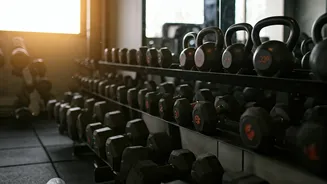
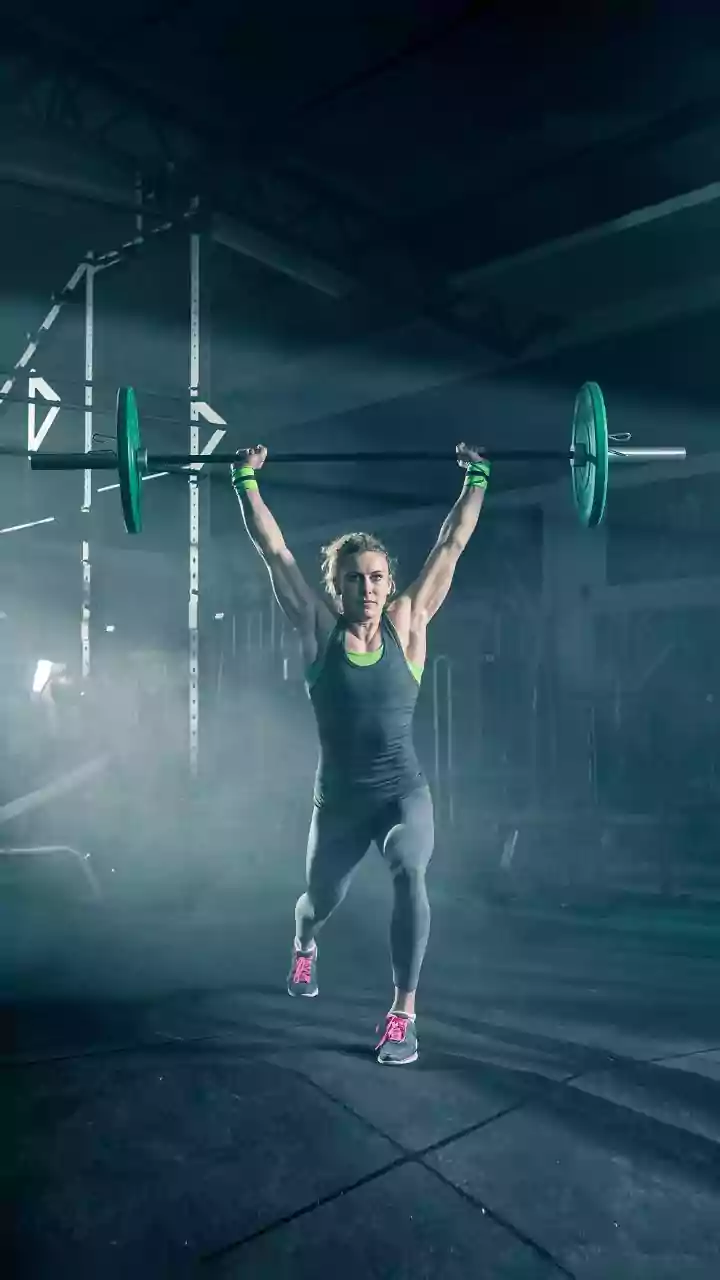
The gym used to be a place to isolate muscles: bicep curls, leg extensions, pec flys. While those have their place, the emphasis is shifting toward functional strength—training movements, not just muscles. This means building the capacity to handle everyday life with ease and without injury. Think of exercises that mimic lifting a heavy suitcase into an overhead bin (overhead press), carrying all the grocery bags in one trip (farmer's walks), or getting up off the floor without using your hands (Turkish get-ups). This approach builds a resilient, capable body. The satisfaction comes not from a new PR on the bench press, but from effortlessly lifting your toddler, helping a friend move a couch, or simply navigating the world with confidence and physical competence.
The Mental Health Connection
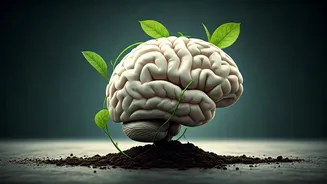
One of the most significant evolutions in fitness is the recognition that movement is as much for the mind as it is for the body. The idea of exercising to “earn” a meal or burn off calories is being replaced by the concept of exercising to manage stress, boost mood, and improve mental clarity. A brisk walk is no longer just a low-impact cardio session; it’s a tool to clear your head after a stressful meeting. A yoga class isn’t just for flexibility; it’s a practice in mindfulness and nervous system regulation. This mindset transforms exercise from a chore into a form of self-care. People are choosing activities based on how they make them feel mentally, whether that’s the endorphin rush of a run, the focus of rock climbing, or the meditative state of a long swim.
Recovery Is the New Hustle
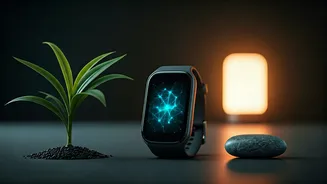
The “hustle culture” of fitness, which glorified grueling, high-intensity workouts seven days a week, is finally facing a reckoning. The grown-up approach acknowledges a simple biological truth: you don’t get stronger during the workout, you get stronger when you recover from it. Sleep, nutrition, and dedicated recovery practices are no longer optional add-ons but are being programmed as essential components of a fitness plan. This includes everything from foam rolling and stretching to prioritizing eight hours of sleep and taking intentional rest days. Wearable technology has played a huge role here, providing concrete data on sleep quality and recovery scores, making it harder to ignore the body’s need for rest. The new status symbol isn't how tired you are, but how well-recovered you are for your next challenge.
Personalized, Not Prescribed
The era of one-size-fits-all workout plans is over. Thanks to a wealth of accessible information and technology, fitness is becoming hyper-personalized. Instead of blindly following a celebrity’s routine, people are learning to listen to their own bodies. Wearables that track heart rate variability (HRV), sleep cycles, and daily strain help individuals decide if they should push hard or opt for a lighter recovery session. This data-informed approach allows for smarter, more effective training that respects individual biology, lifestyle, and energy levels. It empowers people to become the expert on their own body, moving away from rigid prescriptions and toward an intuitive, flexible, and ultimately more sustainable relationship with exercise.