






More Than Just Steps
For many Americans, hitting a 10,000-step goal is a private, data-driven ritual logged on a Fitbit or Apple Watch. In India, a similar trend is exploding, but with a distinctly social and aspirational flavor. Across cities like Mumbai, Bangalore, and Delhi,
walking has evolved from a mundane necessity into a deliberate act of wellness, status, and self-care. It’s not just about exercise; it’s about participation in a global wellness conversation. Fitness trackers are becoming common accessories, and shared screenshots of step counts on Instagram and WhatsApp groups are the new digital currency of personal achievement. Corporate wellness programs have gamified the activity, pitting teams against each other in 'step-a-thons,' transforming a solitary activity into a competitive team sport.
An Antidote to Urban Life
The embrace of walking is also a direct response to the pressures of modern urban India. For young professionals navigating demanding careers, long commutes, and crowded living conditions, a walk offers a rare moment of peace and mental clarity. It's a low-cost, accessible form of therapy. Unlike a gym membership, which requires money and a fixed location, walking is free and can be done anywhere, anytime. Observers note that this trend gained significant momentum during and after the COVID-19 pandemic, which not only heightened health consciousness but also normalized conversations around mental well-being. A solitary walk with headphones, listening to a podcast or music, has become a sanctioned way to decompress and reclaim personal space in a world that constantly demands attention.
Finding Community on Foot
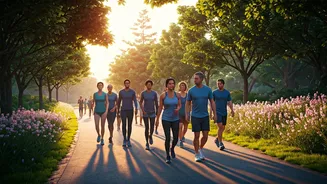
While many walk for solitude, just as many are walking to find connection. The rise of community walking groups is a significant part of this story. These groups, often organized through social media, bring together strangers with a shared goal. They meet in the early mornings or late evenings, exploring parks, promenades, and newly developed public spaces. For many, especially women, walking in a group provides a sense of safety and solidarity that makes public spaces more accessible. These walking clubs are more than just fitness groups; they are social networks where friendships are formed, professional contacts are made, and local issues are discussed. They represent a grassroots reclaiming of the urban environment, turning sidewalks and parks into vibrant community hubs.
A Landscape in Transition
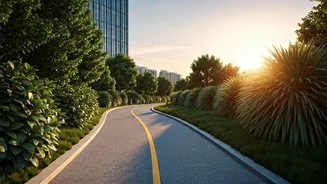
This walking boom is happening against the backdrop of a complex and rapidly changing urban landscape. While Indian cities are not traditionally known for being pedestrian-friendly, a shift is underway. Citizens are demanding better infrastructure—cleaner sidewalks, more public parks, and safer pedestrian crossings. In response, some municipal governments have initiated projects like car-free days, waterfront beautification, and the development of 'smart city' corridors with dedicated walking and cycling paths. Yet, in many areas, walkers must still navigate broken pavement, chaotic traffic, and a lack of green space. In a way, the act of walking is itself a quiet form of activism, a demonstration of the public’s desire for more livable, people-centric cities. The more people walk, the stronger the case becomes for building cities that accommodate them.