



Appalachian Cuisine: Beyond the Caricature
For decades, Appalachian food was unfairly dismissed as simple “poverty food.” But a new generation of chefs and historians are reclaiming its rich narrative, which is rooted in resourcefulness, foraging, and deep agricultural knowledge. Instead of a caricature,
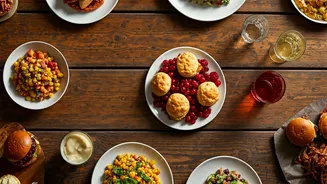
we’re seeing a celebration of its foundational dishes. Think soup beans and cornbread, but made with treasured heirloom bean varieties and freshly milled cornmeal from local gristmills. Chefs like Sean Brock have championed this for years, but now the ethos is going mainstream. You’ll find leather britches (beans dried in the pod), chowchow (a tangy relish), and apple stack cakes appearing on menus not as novelties, but as proud expressions of a unique American terroir. The “cool makeover” here isn’t about deconstruction; it’s about elevation through superior ingredients and storytelling.
The Lowcountry Boil-Up
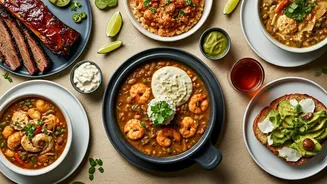
The coastal cuisines of South Carolina and Georgia are having a major moment, driven by a renewed appreciation for their Gullah Geechee roots—the culture of West African descendants who preserved their traditions in the coastal South. While shrimp and grits never really went away, today’s version is a world apart from the basic diner staple. We’re seeing chefs use exquisite, locally-milled grits from producers like Anson Mills, pairing them with head-on shrimp and sauces infused with complex, savory flavors that speak to the region’s history. Beyond that star dish, other Lowcountry classics are getting their due. Look for modern takes on Frogmore stew (also known as a Lowcountry boil), she-crab soup prepared with artisanal sherry, and Hoppin' John made with Carolina Gold rice, a once-endangered grain that’s become a symbol of culinary preservation.
Pennsylvania Dutch, But Make It Artisanal
Pennsylvania Dutch cooking, with its comforting mix of German and Swiss influences, has always been a cornerstone of Mid-Atlantic comfort food. But its modern makeover is moving beyond the tourist-trail smorgasbord. The new cool is about honing in on the craft. Instead of a cloyingly sweet shoofly pie, bakers are using dark, complex molasses and flaky, all-butter crusts to create a dessert with nuance. Chicken pot pie (the noodle-y, stew-like version, not the one with a crust) is being made with slow-simmered bone broth and hand-rolled pot pie noodles. Even scrapple, the love-it-or-hate-it pork loaf, is getting an upgrade from craft butchers who are using high-quality heritage pork and dialing in the spice blends. It’s a trend that honors the simple, hearty origins of the food while applying a modern, ingredient-focused sensibility.
The Midwestern Hotdish Glow-Up
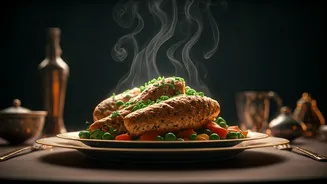
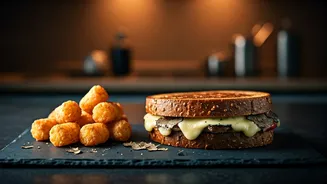
The hotdish—a casserole typically bound by a can of “cream of” soup—is the undisputed king of Midwestern potlucks. For years, it was a symbol of convenience, not cuisine. That’s changing. Across the Upper Midwest, from Minneapolis to Milwaukee, chefs and home cooks are giving the humble hotdish a from-scratch glow-up. The canned soup is being replaced with a homemade béchamel or velouté sauce. Frozen vegetables are subbed for fresh, seasonal produce. And the tater tot topping, while still beloved, might be joined by options like crunchy breadcrumbs, fried shallots, or even a layer of artisanal cheese. This isn't about gentrifying a classic; it's about showing that comfort food can be both convenient and high-quality, honoring the communal spirit of the dish while ditching the processed shortcuts.