


Beyond the Decorating Treadmill
We’ve all been there. You spend a weekend painting, hang new art, and meticulously arrange your decorative objects, only to find the room still feels… wrong. It might be cramped, awkward to navigate, or simply chaotic. The common response is to blame
the stuff—and buy more stuff to fix it. This is the decorating treadmill, and it’s exhausting. The truth is, no amount of expensive decor can salvage a fundamentally flawed layout. Layout—the strategic placement of furniture to define space and direct movement—is the invisible architecture of a room. Get it right, and even the most modest furnishings will sing. Get it wrong, and a room full of designer pieces will feel like a cluttered warehouse. The new focus in interior design isn't on what you own, but how you arrange it to support your life.
From Open Concept to 'Zoned' Living
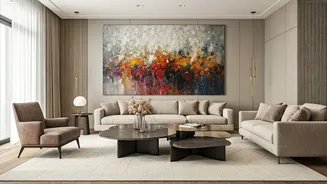
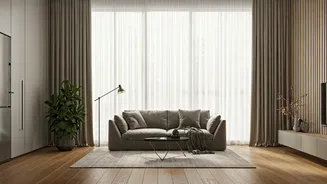
The open-concept floor plan was the dream for decades, promising airy, communal living. But as our homes have become our offices, gyms, and schools, that wide-open space can feel more like a single, noisy arena. The solution isn't to start building walls; it’s to master the art of zoning. Zoning is using layout to create distinct functional areas within a larger room. A strategically placed sofa can separate a living area from a dining space. A large rug can anchor a conversation pit, visually cordoning it off from the high-traffic path to the kitchen. A tall bookshelf placed perpendicular to a wall can create a cozy reading nook or a discreet home office zone. By using furniture to create these “invisible walls,” you give a single room multiple purposes without sacrificing its sense of openness. It’s about creating order and intention, not just space.
Creating 'Desire Paths' and Flow
Ever seen a dirt path cutting across a patch of grass on a college campus? That’s a “desire path”—the route people naturally want to take, regardless of where the paved sidewalk leads. Your home has desire paths, too. They are the unconscious routes you take from the sofa to the kitchen, from the front door to the bedroom, or from your desk to the coffee maker. A great layout respects and facilitates these paths. A bad one puts obstacles in your way, forcing you to shimmy past a chair or detour around an awkwardly placed coffee table. This creates constant, low-grade friction in your daily life. The goal is to create effortless flow. Walk through your main rooms and pay attention to your movement. Is it easy? Do you have clear, wide pathways? If not, the furniture needs to move. A layout’s true power is revealed not when you’re sitting still, but when you’re living and moving within the space.
Furniture as Architecture, Not Just Objects
The key to unlocking your layout superpower is to stop thinking of your furniture as individual, decorative objects and start seeing them as architectural tools. Your largest pieces—sofas, beds, tables, and shelves—are the building blocks of your room. Before you worry about the color of a lamp, think about the function of your sofa. Could your couch “float” in the middle of the room to create a hallway behind it? Could two armchairs face each other over a small table to create an intimate conversation zone, separate from the TV-watching area? Can a console table placed behind a sofa serve as a functional desk? This shift in perspective transforms you from a decorator into a space planner. You're no longer just filling a room; you are sculpting it to meet your needs.