






The Science Behind the Spectacle
The word “instantly” in the headline captures the feeling, if not the precise science. Rain lilies don't defy physics, but they come thrillingly close. These clever plants, members of the *Zephyranthes* genus, are masters of patience and timing. They
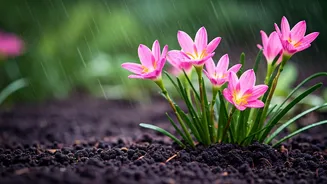
spend much of the year dormant as bulbs, conserving energy beneath the soil. They are waiting for a specific signal: a thorough drenching from a heavy rain, especially after a dry spell. The sudden influx of water, often combined with a slight drop in air temperature, triggers a hormonal change in the bulb. It’s like a sprinter at the starting blocks hearing the gun. This hormonal surge prompts the flower stalk to shoot up at a remarkable speed, often flowering within a day or two of the downpour. This rapid-response strategy allows the plant to take full advantage of the moisture to bloom and set seed before the ground dries out again.
Meet the 'Fairy Lily'
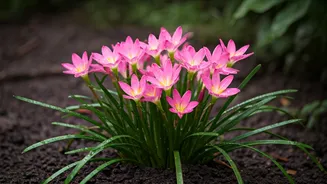
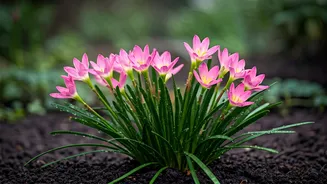
Known by a host of charming names—including zephyr lilies, fairy lilies, and storm lilies—these flowers are native to the Americas, with many species flourishing in the southern United States, from Texas to Florida. They are beloved for their simple, elegant form: six petals forming a star or crocus-like cup, perched atop a slender, leafless stem. Depending on the species, their colors range from pearly white (*Zephyranthes candida*) and buttery yellow (*Z. citrina*) to soft and vibrant pinks (*Z. rosea*). Because their foliage is grassy and unobtrusive, the flowers seem to pop up out of nowhere, adding to their ethereal, surprising quality. They’re a classic “pass-along” plant, often shared between gardening neighbors who appreciate their low-maintenance charm and surprising resilience.
A Flower for the Optimist
Beyond the fascinating botany, the rain lily offers a powerful metaphor for resilience. It’s a reminder that periods of dormancy and quiet waiting are not empty, but are instead a time for gathering strength. The lily doesn't waste its energy trying to bloom in a drought; it waits for the right opportunity and then seizes it with explosive, beautiful force. For many, seeing a patch of rain lilies emerge after a storm is a welcome symbol of renewal and hope. It’s a natural spectacle that illustrates how adversity (a dry spell) followed by opportunity (a deluge) can lead to a moment of unexpected beauty. They teach a quiet lesson in trusting the process and being ready for the moment the rains finally come.
Bringing the Magic to Your Garden
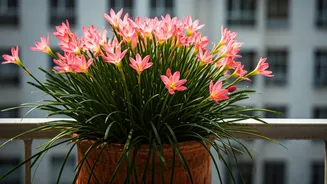
The best part about rain lilies is that this “magic” is incredibly easy to replicate in your own yard. They are one of the most forgiving bulbs you can plant. For U.S. gardeners, especially in USDA zones 7-10, they are a fantastic choice for a low-maintenance patch of color. Simply plant the small bulbs in the fall or spring, about one to two inches deep in a spot that gets decent sun. They aren’t picky about soil, as long as it drains reasonably well. Plant them in clusters along a walkway, in a rock garden, or at the front of a border for the best effect. Then, do the hardest part: forget about them. Don’t overwater them. Let nature take its course. After the next big summer thunderstorm rolls through, you’ll be rewarded with your own private, “instant” flower show.