






A Reaction to the Modern Diet
For decades, the American diet has been dominated by convenience. We embraced processed, packaged, and fast foods that promised to save us time. But that convenience came at a cost. A growing body of evidence links highly processed diets to a host of chronic
health issues, from obesity to heart disease. The return to ancient foodways is, in large part, a direct rebellion against this industrial food system. People are tired of unpronounceable ingredient lists and foods engineered in a lab rather than grown on a farm. Ancient practices—like eating whole grains, using full-fat dairy, and preparing meals from scratch—represent a tangible, delicious alternative. It’s a movement back toward food in its most elemental form, something our great-grandparents would recognize instantly.
The Gut Health Revolution
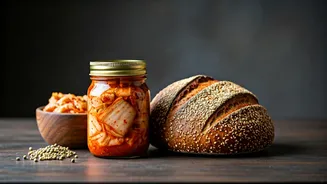
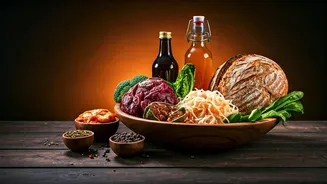
One of the most powerful drivers of this trend is the explosion of interest in gut health. Scientists are just beginning to understand the profound impact our gut microbiome—the trillions of bacteria living in our digestive tract—has on everything from our immune system to our mental health. And what do these beneficial bacteria love to eat? The very things our ancestors ate. Fermented foods like kimchi, kefir, yogurt, and sauerkraut are teeming with probiotics, the live bacteria that support a healthy gut. Likewise, the fiber found in ancient grains, legumes, and whole vegetables acts as a prebiotic, feeding the good bacteria already living there. This isn't just folk wisdom; it’s science catching up to what traditional cultures have known for centuries: a diverse, fiber-rich diet that includes fermented foods is fundamental to well-being.
A Hunger for Connection and Sustainability
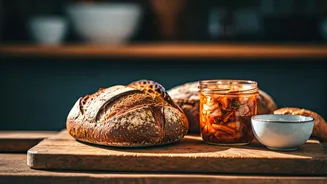
In a disconnected, fast-paced world, ancient food practices offer something many of us crave: a sense of connection. Kneading dough for a loaf of sourdough, tending to a jar of fermenting vegetables, or simmering a bone broth for hours are slow, mindful activities. They connect us to our food, to the natural processes of transformation, and to the generations who came before us. This movement also aligns with a growing desire for sustainability. Many ancient practices are inherently less wasteful. Nose-to-tail eating utilizes the entire animal, while fermentation was originally a method of preserving food before refrigeration, reducing spoilage. By embracing these methods, consumers feel they are not only nourishing themselves but also participating in a food system that is gentler on the planet.
It Simply Tastes Better
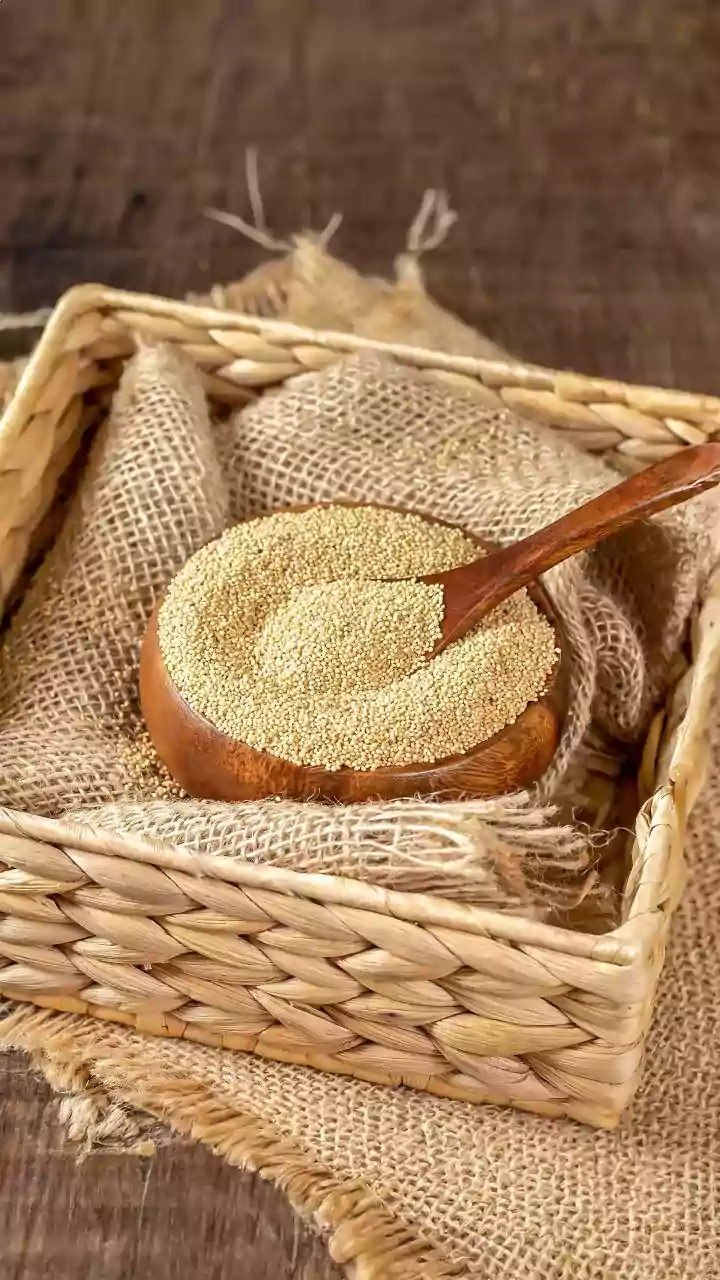
Let's not forget the most straightforward reason: flavor. Ancient food wisdom isn't just about health and ethics; it's also about rediscovering a world of complex, deeply satisfying tastes and textures. The tangy funk of well-fermented kimchi, the nutty chew of farro, and the rich, complex flavor of slow-cooked meats are experiences that most processed foods simply can't replicate. The slow fermentation of sourdough bread, for example, develops a depth of flavor that a commercial, fast-rising loaf can’t match. Chefs at top restaurants have embraced these techniques, reintroducing diners to the incredible flavors of heritage-breed meats and heirloom vegetables. As home cooks become more adventurous, they are discovering that these ancient methods don't just make them feel better—they make their food taste better, too.