



1. Gently Squeeze, Don't Rub
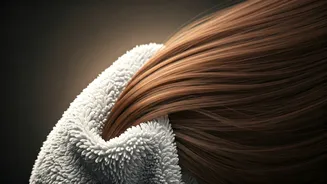
Your first instinct might be to vigorously rub your hair with a towel, but this is one of the most common ways to cause damage. When hair is wet, its cuticle (the outer protective layer) is swollen and raised, making it extremely vulnerable to friction.
Rough towel-drying can lift and tear this cuticle, leading to frizz, dullness, and breakage. Instead, gently squeeze and blot sections of your hair with a soft, absorbent towel. For an upgrade, switch to a microfiber towel or even an old cotton T-shirt. These materials are much gentler and absorb excess water without roughing up the hair shaft, setting you up for a smoother finish.
2. Detangle with Care
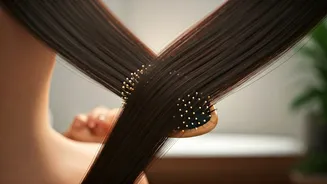
Never attack knots with a fine-tooth comb or a bristle brush on sopping wet hair. This is a recipe for snapping strands and causing unnecessary split ends. The golden rule is to use a wide-tooth comb or a brush specifically designed for wet hair. Start detangling from the ends of your hair and gradually work your way up to the roots. This method prevents you from pulling a small knot from the top all the way down, creating a bigger, more damaging tangle. If your hair is particularly prone to knots, apply a leave-in conditioner or detangling spray first to give the strands some slip, making the comb glide through more easily.
3. Apply a Leave-In Product
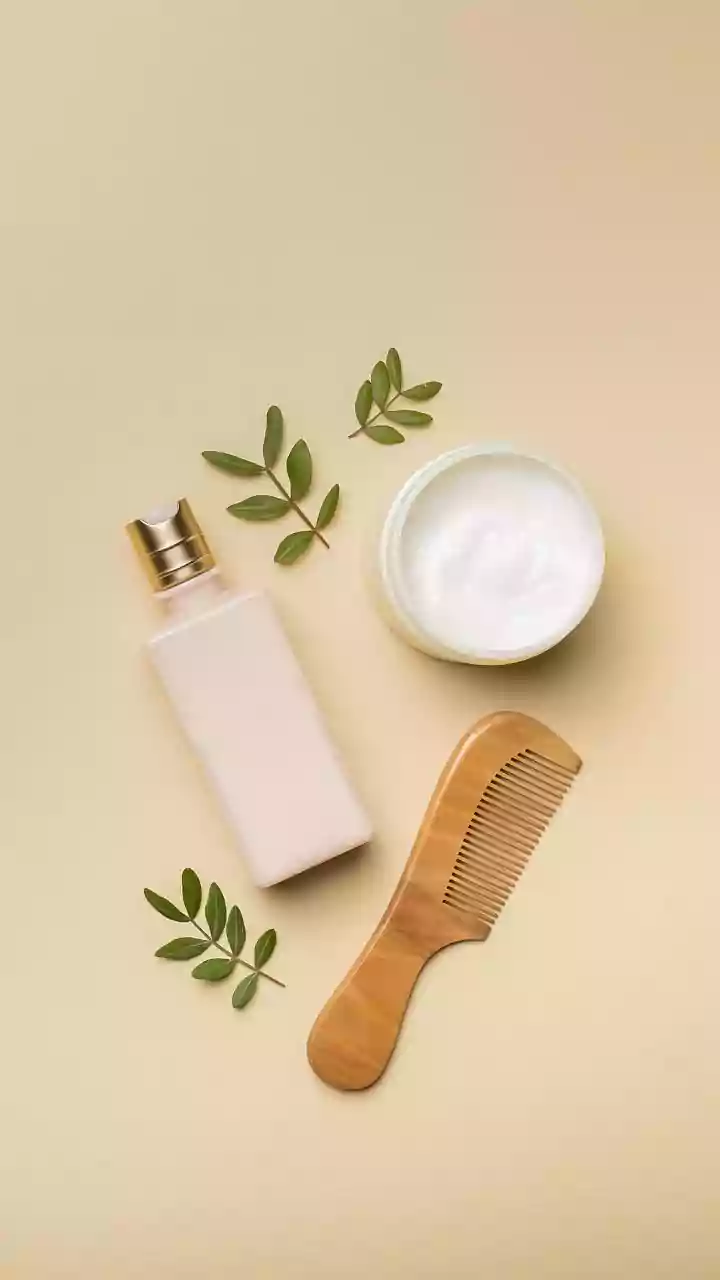
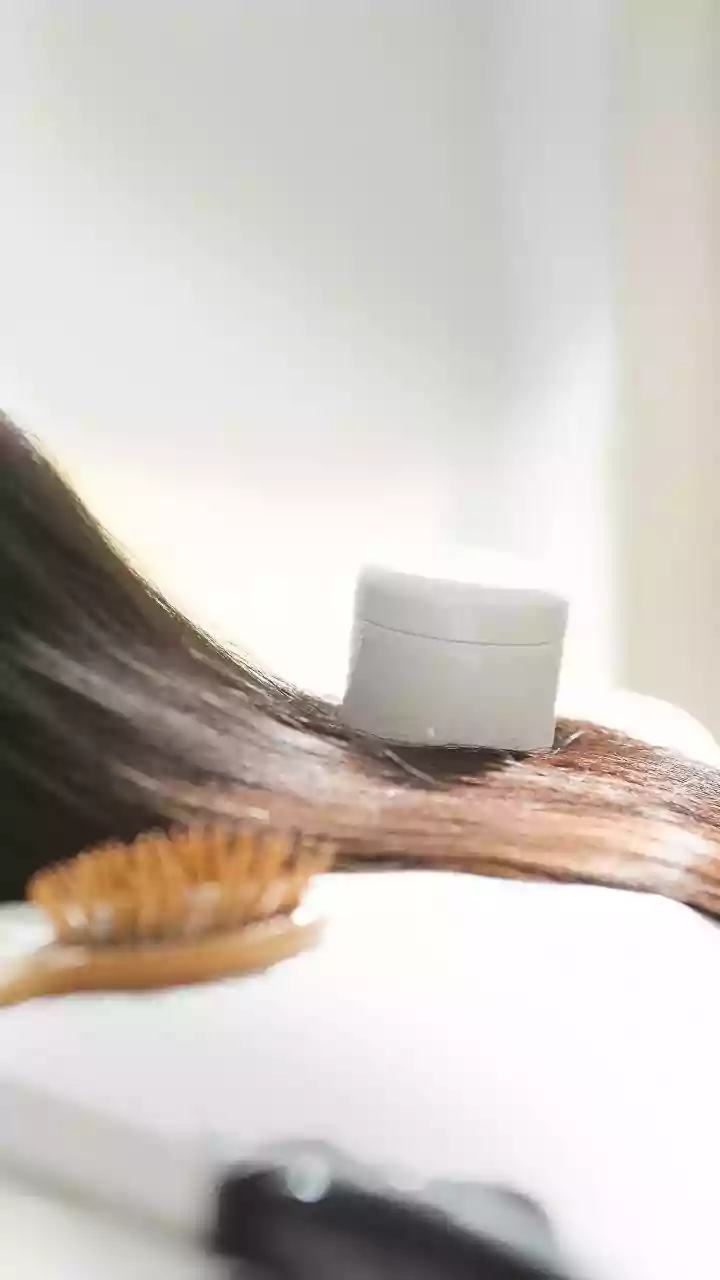
Think of this step as moisturizer for your hair. After washing, your hair has been stripped of some of its natural oils. A leave-in conditioner, cream, or serum helps to replenish that moisture, seal the cuticle, and protect your hair from environmental stressors. The right product depends on your hair type. Fine hair might benefit from a lightweight spray that won't weigh it down, while thick, coarse, or curly hair often needs a richer cream or oil to combat frizz and add definition. Apply a small amount to your damp (not soaking wet) hair, focusing on the mid-lengths and ends, which are the oldest and most damage-prone parts of your hair.
4. Address Your Scalp
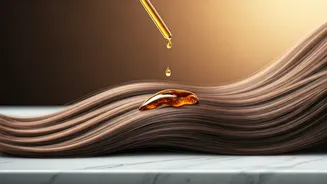
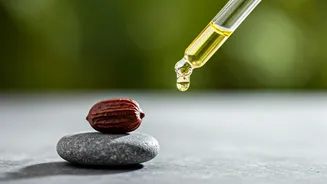
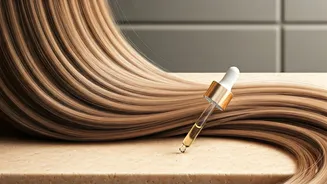
Healthy hair starts with a healthy scalp. While you may have just washed it, the post-shower window is a great time to apply targeted scalp treatments. If you struggle with dryness, oiliness, or flakiness, a specialized scalp serum can help rebalance the microbiome and soothe irritation. These products are most effective when applied to a clean scalp, allowing the active ingredients to penetrate without being blocked by dirt or product buildup. Use the dropper to apply the serum directly to your scalp in sections and gently massage it in with your fingertips to stimulate blood flow and ensure even distribution.
5. Use a Heat Protectant (Always)
This is a non-negotiable step if you plan to use any kind of heat styling tool, including a blow dryer. Heat protectants work by creating a protective barrier between your hair and the hot tool, reducing moisture loss and minimizing damage to the hair's protein structure. Most formulas also contain conditioning agents that help smooth the cuticle for a sleeker finish. Spritz it evenly throughout your damp hair before you even think about turning on the blow dryer, flat iron, or curling wand. Failing to do so is like lying in the sun without sunscreen—the damage might not be visible immediately, but it's cumulative and will eventually show up as dryness, brittleness, and breakage.
6. Choose Your Drying Method Wisely
If you're air-drying, try to let your hair dry about 80% of the way before styling to minimize frizz. You can apply a bit of styling cream or oil to help it dry into your desired shape. If you're blow-drying, don't just blast your hair on the highest heat setting. Start with a medium heat and high speed setting, pointing the nozzle down the hair shaft to help seal the cuticle. Use a rough-dry technique with your fingers until the hair is about 80% dry, then go in with a brush for the final smoothing and styling. This reduces the total time your hair is exposed to direct, high heat, which is a key strategy for long-term hair health.