




Why the Monsoon Is Magic
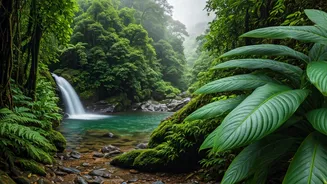
For most travel destinations, rain is a dealbreaker. In South India’s Western Ghats, it’s the main event. From June to September, the monsoon transforms the rolling hills of Kerala and Karnataka into a vibrant, living paradise. The dry, dusty landscapes
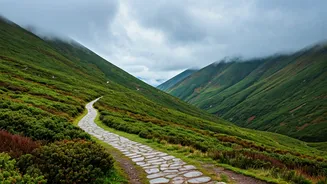
of summer give way to impossibly lush greenery. The air feels clean and smells of wet earth and blooming flowers. This is the “off-season,” which means fewer tourists and lower prices—the perfect combination for a traveler seeking authenticity over crowds. It’s not about staying dry; it’s about embracing the drama of the rain, whether you’re sipping hot chai on a covered veranda or watching clouds drift through a valley below.
Getting There: Your Gateway to Green
For American travelers, the journey will likely start with a flight into one of South India’s major international airports. Bengaluru (BLR) in Karnataka or Kochi (COK) in Kerala are your best bets. From there, the adventure truly begins. Wayanad is about a 6-7 hour drive from Bengaluru and 3-4 hours from Kozhikode (Calicut), while Coorg (officially Kodagu) is about 5-6 hours from Bengaluru. The most budget-friendly option is taking an overnight state-run bus. For a bit more comfort and flexibility, you can hire a car and driver for the journey, which is surprisingly affordable when split between a few people. This also gives you the freedom to stop and admire the views as you ascend into the hills.
Wayanad: Wild, Untamed Beauty
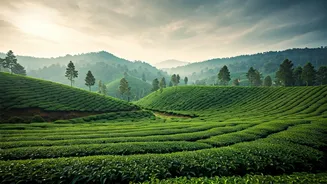
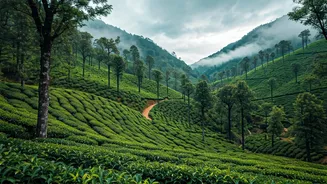
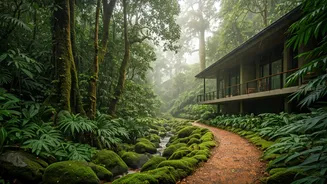
Located in northern Kerala, Wayanad is the wilder, more rugged of the two destinations. Its landscape is a tapestry of paddy fields, dense forests, and sprawling tea and spice plantations. During the monsoon, its famous waterfalls, like Soochipara and Meenmutty, are at their thunderous peak. A trek to the Edakkal Caves, ancient Neolithic sites, becomes an atmospheric journey through misty trails. The drive up the winding mountain passes offers breathtaking, cloud-filled vistas. For a budget stay, skip the resorts and opt for a homestay. Local families open their homes, offering clean rooms and incredible home-cooked Keralan food for a fraction of the price of a hotel. It’s the best way to experience local hospitality.
Coorg: The Caffeinated Hills
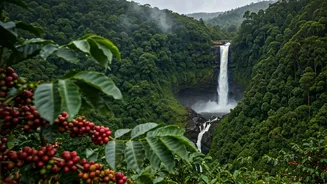
Often called the “Scotland of India,” Coorg in Karnataka is famous for its misty hills and, most importantly, its coffee. The region is carpeted with arabica and robusta plantations, and the monsoon is when the plants flourish. The air is thick with the smell of coffee blossoms and black pepper vines that climb the trees. Key sights include Abbey Falls, a spectacular cascade set amidst private coffee estates, and Raja’s Seat, a garden offering panoramic views of the fog-covered valleys. A drive or adventurous jeep ride to the peak of Mandalpatti is a must for its 360-degree views of the Western Ghats. Like in Wayanad, homestays are the key to a budget-friendly trip, many of which are located right on working coffee plantations.
Living the Rain Vibe on a Budget
Experiencing this region affordably is all about living like a local. Eat at small, family-run restaurants (often called 'messes' or 'darshinis') for authentic and cheap meals; a delicious plate of rice, sambar, and local vegetable curries can cost just a couple of dollars. For transport within the towns, auto-rickshaws are plentiful, but be sure to agree on a price beforehand. For longer distances between sights, renting a scooter gives you ultimate freedom, but only if you’re comfortable driving on winding, wet roads. Otherwise, hiring a car and driver for a day of sightseeing can be economical for a small group. The biggest savings come from choosing homestays, where daily rates can be as low as $20-$40, often including a hearty breakfast.
What to Pack for a Monsoon Trip
Packing smart is crucial. Leave the jeans and cotton shirts at home—they’ll never dry. Instead, opt for lightweight, quick-dry clothing. A reliable waterproof jacket is non-negotiable. For footwear, forget sneakers; you’ll want waterproof sandals with good grip or sturdy waterproof hiking shoes. The humidity brings out insects, so a strong mosquito repellent with DEET is essential. A waterproof bag or dry sack is also a lifesaver for protecting your phone, camera, and other electronics. Finally, don’t forget to pack a sense of adventure. You will get wet, plans might change due to a downpour, but that’s all part of the experience.