








The End of the Hutch Era
For decades, the default home for a pet rabbit was a small wooden hutch or a wire-bottomed cage tucked away in a garage, a basement, or the far corner of a backyard. While well-intentioned, this approach was based on a fundamental misunderstanding of a rabbit’s
needs. Rabbits are not low-maintenance “starter pets”; they are intelligent, social, and active animals that require significant space and interaction to thrive. Isolation and confinement can lead to depression, destructive behaviors, and a host of health problems. The growing recognition of this reality, championed by organizations like the House Rabbit Society, has sparked a quiet revolution in bunny care. The new philosophy is simple: a rabbit isn't just a pet to be observed, but a family member who deserves to be part of the home.
Welcome to the 'Bunny Condo'
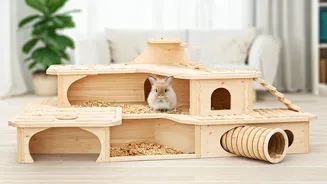
So, what does this new rabbit home look like? Think less cage, more custom condo. The trend sees owners dedicating entire rooms or creating large, stylish enclosures within their main living areas. Popularized on platforms like Instagram and Pinterest, these setups are often marvels of DIY ingenuity. A common sight is the “IKEA hack,” where shelving units like the KALLAX or HOL are repurposed into multi-level bunny palaces, complete with ramps, hideaways, and soft bedding. These homes aren’t just functional; they’re designed to be beautiful. You’ll see coordinated color palettes, miniature furniture, dedicated hay-and-dining stations, and enrichment zones with toys and tunnels. By integrating the rabbit’s space into the home's decor, owners are making a statement: the bunny lives here, too.
A Truly Global Hop
While the movement has a strong base in the United States, its international flavor is what makes it a genuine trend. In space-conscious apartments in Japan and South Korea, meticulously organized and aesthetically pleasing rabbit enclosures have become a popular way to integrate pets into small living quarters. In Germany and the UK, where animal welfare standards are a major public concern, free-roam and large-pen setups have been common for years, providing a blueprint for American enthusiasts. Social media has acted as a global connector, allowing a rabbit owner in Ohio to get inspiration from a setup in Stockholm. This cross-pollination of ideas has accelerated the trend, standardizing the vision of what a modern, humane rabbit habitat can be.
Better for the Bunny, Better for You
The primary beneficiary of this trend is, of course, the rabbit. With more space to run, jump, and explore—a behavior known as a “binky”—they are physically healthier and mentally stimulated. Being part of the daily household activity reduces stress and allows their curious, playful personalities to emerge. But the benefits extend to the owner, too. Integrating a rabbit into your living space fosters a much deeper bond. You learn their routines, their quirks, and their unique ways of communicating. Of course, it requires commitment. “Bunny-proofing” is essential, as rabbits have a natural instinct to chew. Electrical cords must be covered, and toxic plants removed. Litter box training is also a key part of making a free-roam lifestyle work. Yet for the thousands of owners embracing this trend, the extra effort is a small price to pay for the companionship they receive in return.