




Meet Dahi, Yogurt’s Cooler Older Cousin
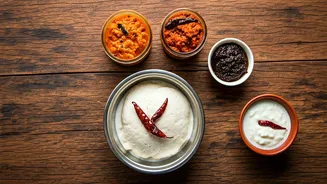
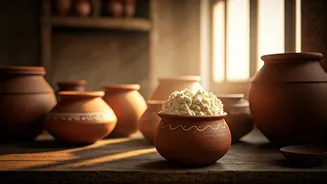
If you think you know yogurt, think again. Dahi is the traditional yogurt of the Indian subcontinent, and it’s fundamentally different from the thick, strained Greek yogurt or sweetened fruit-on-the-bottom cups lining American dairy cases. Made by simply
adding a live starter culture (a little bit of the last batch of dahi) to warm milk and letting it set, it’s a living, breathing food. The result is a softer, looser, and tangier yogurt teeming with a diverse array of beneficial bacteria. While commercial yogurts are often standardized with a few specific probiotic strains, homemade or traditionally made Dahi boasts a unique, complex microbial profile that varies from household to household. It’s not just a breakfast item; it’s a culinary workhorse used in marinades to tenderize meat, stirred into curries for creaminess, and blended into the refreshing drink lassi. Its comeback isn’t about a new product launch—it’s about Americans rediscovering a food that’s been a cornerstone of health for millennia.
Kanji: The Tangy, Fermented Drink You’ve Never Heard Of
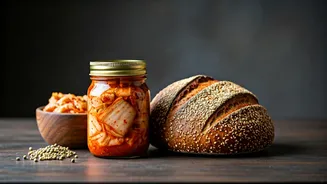
While Dahi might feel familiar, Kanji is its mysterious, fascinating counterpart. Kanji is a fermented beverage, traditionally made in North India, especially during the spring festival of Holi. The most common variety uses black carrots, which give the drink a stunning magenta hue, but it can also be made with beets or rice water. The process is beautifully simple: carrots are submerged in water with salt, mustard seeds, and sometimes other spices, then left to ferment in the sun for several days. This wild fermentation process creates a drink that is sour, savory, and slightly pungent, with an effervescent kick. Think of it as a savory, earthy cousin to kombucha, but without the sweetness of tea. It’s a classic example of using fermentation to preserve seasonal produce while creating a beverage that was traditionally valued for aiding digestion, especially during the changing seasons. As Americans look beyond the usual fermented options, Kanji offers a bold new flavor profile with deep cultural roots.
The Science Behind the “Gut Cred”
So, what exactly is this “gut cred”? The magic lies in the fermentation. Both Dahi and Kanji are rich in probiotics—live microorganisms that, when consumed in adequate amounts, confer a health benefit. These “good” bacteria help populate your gut microbiome, the complex ecosystem of trillions of microbes living in your digestive tract. A healthy, diverse microbiome is linked to improved digestion, a stronger immune system, and even better mental health. The probiotics in Dahi, primarily from the Lactobacillus family, help break down lactose and can support digestive regularity. Kanji’s wild fermentation cultivates a different but equally beneficial range of bacteria that thrive in a salty environment. What makes these traditional foods particularly compelling is that they deliver these probiotics in a whole-food matrix, complete with fiber (in Kanji’s case) and other nutrients that help the good bugs thrive. It’s a case of modern science finally catching up to what grandmothers have known for generations: these foods make you feel good from the inside out.
How to Get Them in Your Gut
Ready to give these heritage ferments a try? Dahi is becoming easier to find. Look for yogurts labeled “dahi” or “Indian-style” at South Asian grocery stores or specialty food markets. The ingredient list should be simple: milk and live cultures. For the most authentic experience, try making it at home. All you need is good-quality whole milk and a spoonful of active, plain yogurt as your starter. Kanji is more of a DIY project, as it’s rarely sold commercially. But don’t let that intimidate you. Making it is a rewarding kitchen experiment. Numerous recipes online guide you through the simple process of fermenting carrots or beets in spiced saltwater. Starting with these traditional foods is less about chasing a trend and more about embracing a time-tested approach to wellness, one delicious, tangy spoonful or sip at a time.