



From Hobby to Healing
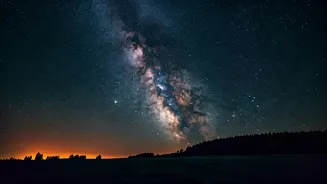
For most of human history, the night sky was a constant companion. Today, for the 80% of Americans living in urban and suburban areas, it’s a distant rumor, obscured by a perpetual twilight of light pollution. This scarcity has created a new kind of value.
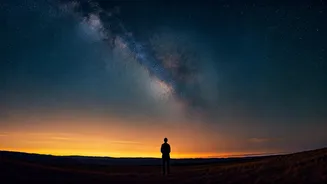
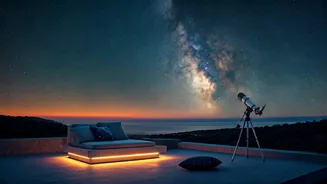
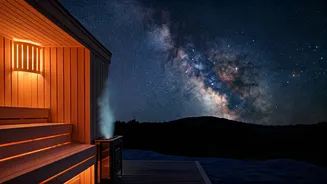
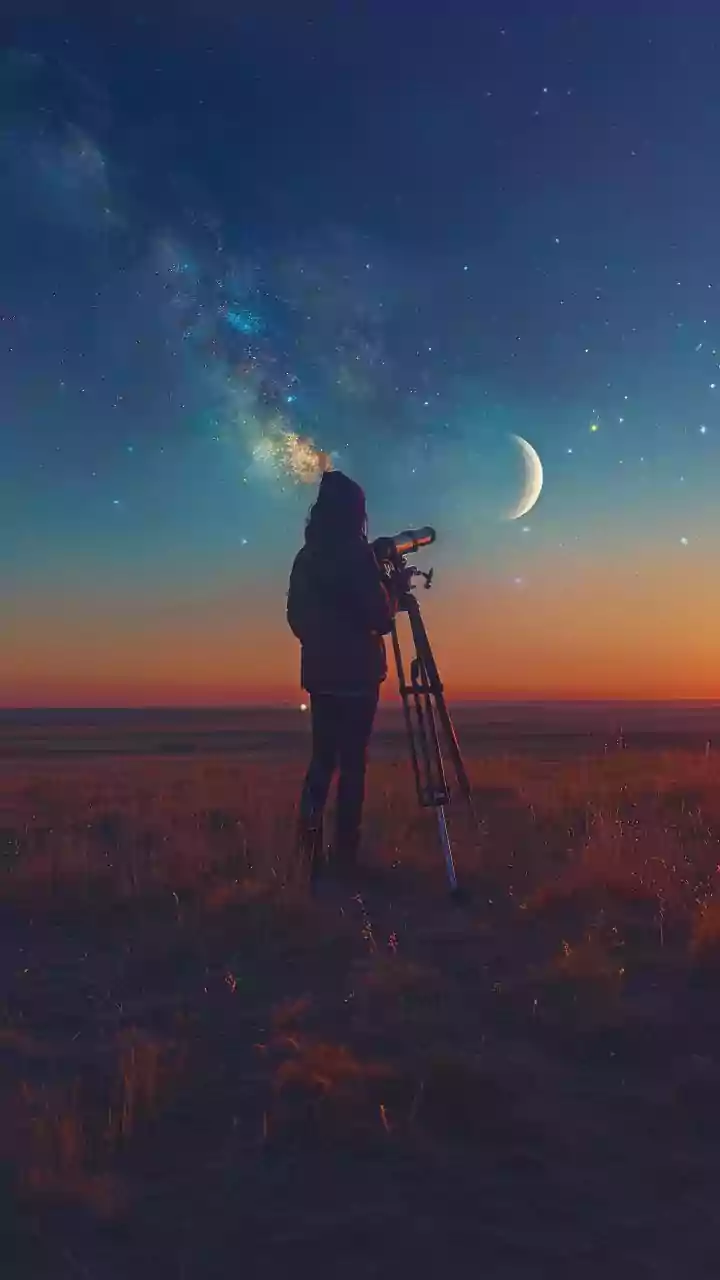
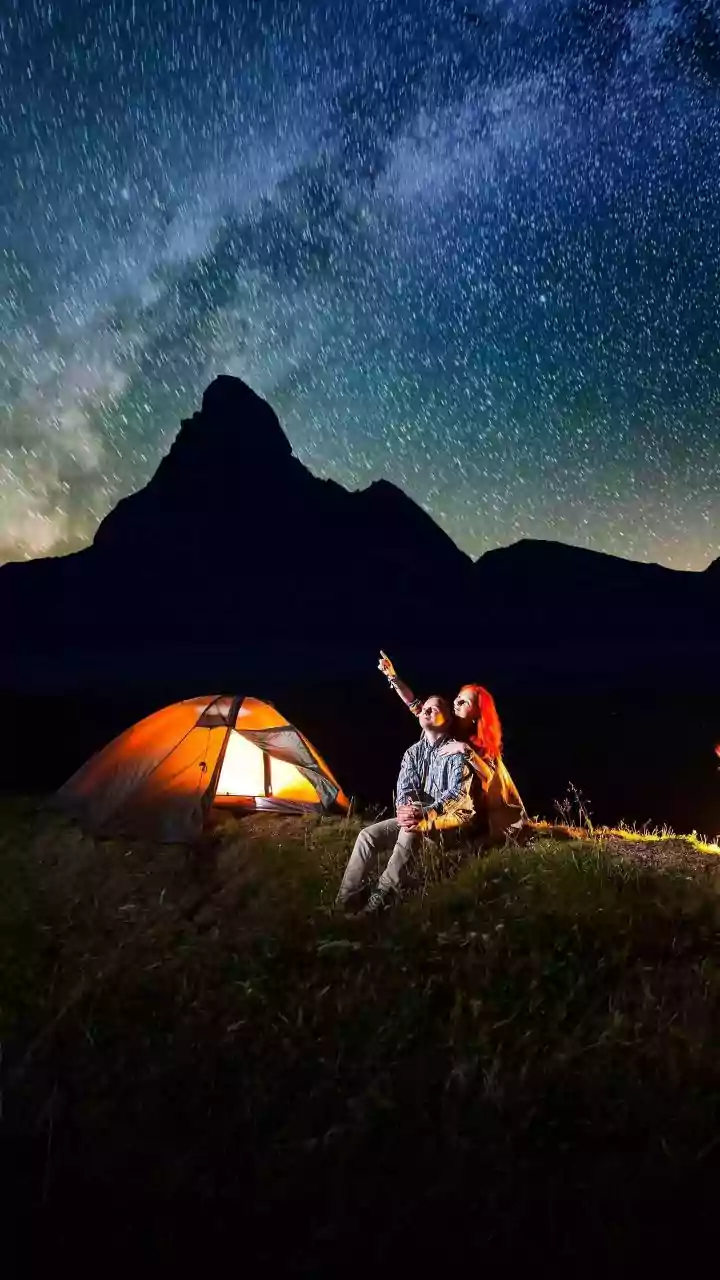
Enter 'astrotourism' and 'stargazing wellness,' a rapidly growing industry that frames the simple act of looking at the cosmos as a powerful antidote to modern anxieties. It’s more than just a passive glance upward; these are curated experiences. Think guided night-sky tours in national parks, desert resorts with on-site astronomers and powerful telescopes, and even 'sound baths' under the Milky Way. The goal is to facilitate not just seeing, but feeling—immersing yourself in the vastness of the universe as a way to shrink your worldly problems down to a manageable size.
The Psychology of Awe
The appeal of these starry night experiences isn’t just marketing fluff; it's rooted in a powerful psychological phenomenon: the experience of 'awe.' Researchers at institutions like UC Berkeley and Johns Hopkins have found that experiencing awe—the feeling we get when confronted with something vast and mind-blowing that challenges our perspective—has profound benefits. It can decrease stress, reduce inflammation markers, increase feelings of generosity, and foster a sense of connection to the world around us. Gazing at a star-dusted sky, seemingly infinite and billions of years old, is a reliable awe-trigger. It forces a cognitive shift, pulling us out of our self-focused loops of worry and rumination and placing us in a much grander context. In an age of chronic burnout and digital fatigue, a dose of cosmic perspective feels less like a novelty and more like a necessity.
The Rise of Dark Sky Destinations
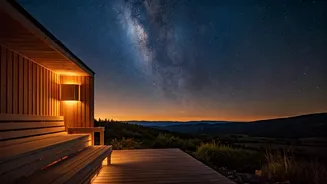
This burgeoning demand has fueled a boom in destinations that protect their darkness. The International Dark-Sky Association (IDA) now certifies 'Dark Sky Parks,' 'Reserves,' and even entire 'Communities' that have committed to minimizing light pollution. These certifications have become a badge of honor for travel destinations, from national parks like Big Bend in Texas to entire towns like Flagstaff, Arizona. Hotels and resorts in and around these areas are leaning in hard. Amangiri in Utah offers guests access to a resident astronomy expert. Under Canvas provides stargazing-friendly tents near national parks. This isn't just about providing a telescope; it's about selling an entire celestial package. Guests might find star charts on their pillows, attend astrophotography workshops, or enjoy cocktails named after constellations, all designed to make the experience feel holistic, luxurious, and deeply restorative.
Finding Your Own Cosmic Calm
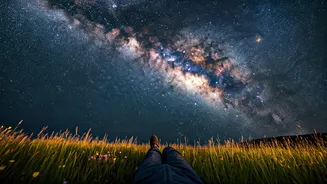
While a luxury desert retreat is a fantastic way to experience the cosmos, you don't need a five-star budget to reap the benefits. The core of this wellness practice is accessible to almost anyone willing to make a little effort. It starts with simply getting away from city lights. Use a light pollution map online (like Dark Site Finder) to locate a darker spot within a reasonable drive. Many state parks offer better viewing than urban backyards. You don't even need a telescope to start; a pair of binoculars can reveal the craters on the moon or the moons of Jupiter. Stargazing apps like SkyView or Star Walk can help you identify constellations and planets with your smartphone. The most important tool, however, is intention. Put the phone away, bring a blanket, lie back, and allow your eyes to adjust for at least 20 minutes. The goal is the same whether you’re at a high-end resort or in a quiet field: to be still and look up.