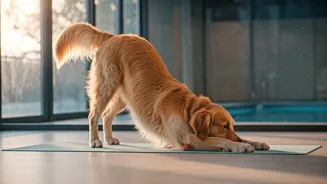







More Than a Pampered Pooch
In cities across the U.S., a new kind of wellness center is opening its doors, but the clients walking in have four legs and a tail. These aren't just glorified grooming salons. They are highly specialized facilities dedicated to services that, a decade
ago, would have seemed absurd: hydrotherapy, massage, and even yoga for dogs. While the image of a Golden Retriever in a meditative pose might seem like peak indulgence, the trend is rooted in something far more practical. As Americans increasingly view their pets as family members, they are also investing heavily in their health and longevity. This movement goes beyond high-end food and designer toys; it’s about applying human wellness principles to our animal companions, particularly as they age or recover from injury.
The World of Canine Hydrotherapy
The centerpiece of many elite canine wellness centers is the hydrotherapy pool. Imagine a custom-built, heated pool with an underwater treadmill and resistance jets. Here, dogs recovering from surgery, suffering from arthritis, or managing chronic conditions like hip dysplasia can exercise in a low-impact environment. A trained therapist guides the dog through a session, adjusting the water level and treadmill speed to provide a workout that builds muscle and improves mobility without stressing painful joints. The buoyancy of the water supports the dog’s weight, allowing for a range of motion that would be impossible on land. For an aging Labrador with stiff hips or a French Bulldog with a post-op knee, a 30-minute session can provide significant relief and accelerate recovery, making it less a luxury and more a form of physical therapy.
Downward Dog, Meet Downward Dog
If hydrotherapy is the clinical side of pet wellness, then “doga” is its spiritual, bonding-focused counterpart. Dog yoga classes aren't about forcing your beagle into a warrior pose. Instead, they are a shared experience focused on gentle stretching, massage, and relaxation for both owner and pet. In a typical class, owners might perform simple yoga poses while their dog relaxes nearby or is incorporated into the movements. The owner might help their dog with a gentle stretch or use the time for focused petting and calming touch. The primary goal isn't a canine workout but a deeper connection. Proponents say it reduces stress for both human and animal, reinforces the owner-pet bond, and provides a calm, structured activity in a world full of overstimulation.
The Price of Peak Wellness
This level of care, unsurprisingly, comes at a premium. A single hydrotherapy session can range from $50 to over $100, while a doga class might cost $25 to $40. These services are part of a booming pet industry that now exceeds $100 billion annually in the U.S. The clientele isn't just the ultra-wealthy; it includes dedicated middle-class owners who are willing to reallocate their discretionary spending for the sake of their pet's health. For many, it's a simple calculation: spending a few thousand dollars on physical therapy to delay or avoid a costly surgery is a sound investment. This mindset reflects the “humanization” of pets, where vet bills are treated like any other family medical expense and quality of life is a top priority.