



Meet Jamun, Your New Favorite Fruit
If you’ve never heard of jamun, you’re in for a treat. Also known as java plum, black plum, or Malabar plum, this deep-purple fruit is native to India and Southeast Asia. Imagine a fruit that looks like a large olive or a small plum, with a taste that’s
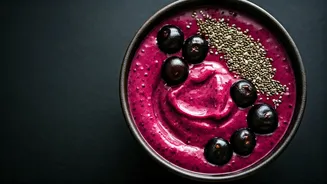
a complex dance of sweet, mildly tart, and a uniquely pleasant astringent finish—think of it as a cousin to cranberries or a more sophisticated blackberry. When ripe, it’s juicy and stains your tongue a delightful shade of purple, a childhood rite of passage in many parts of the world. Its striking color isn't just for show; it’s a sign of the powerful plant compounds packed inside, making it as nutritious as it is beautiful.
A Nutritional Boost for Your Morning
Beyond its intriguing flavor, jamun is celebrated in traditional medicine and modern wellness circles for its health benefits. The fruit is loaded with antioxidants, particularly anthocyanins, the same compounds that give blueberries and açai their superfood status. These antioxidants help combat oxidative stress in the body. Jamun is also a good source of vitamin C, iron, and potassium. In Ayurvedic practices, it’s often used to aid digestion and support blood sugar regulation. While it's not a medical cure, incorporating jamun into your diet is a delicious way to add a spectrum of valuable nutrients to your day, starting with your morning smoothie bowl.
Finding Jamun (and Smart Substitutes)
As a seasonal summer fruit, fresh jamun can be a rare find in the United States. Your best bet is to check the freezer aisle of local Indian or Asian grocery stores, where you can often find bags of frozen, pitted jamun—perfect for smoothies. Some specialty online retailers also sell jamun pulp or powder, which work just as well. But don't let scarcity stop you! If you can't find it, you can create a similar flavor and color profile. A fantastic substitute is a mix of frozen blackberries and a small amount of unsweetened cranberry juice or a spoonful of açai puree. This combination mimics jamun's signature deep color and sweet-tart balance.
The Recipe: Dairy-Free Jamun Smoothie Bowl
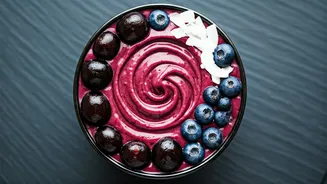
This recipe is designed for a thick, spoonable consistency that holds up to plenty of toppings. The frozen banana is key to achieving that creamy, ice-cream-like texture without any dairy.
Ingredients:
- 1 cup frozen jamun (or 1 cup frozen blackberries)
- 1 large frozen banana, broken into chunks
- ½ cup unsweetened coconut milk (from a carton) or almond milk
- 1 tablespoon maple syrup or agave (optional, adjust to your sweetness preference)
- 1 tablespoon chia seeds (for extra thickness and fiber)
Instructions:
1. Combine the frozen jamun, frozen banana, non-dairy milk, optional sweetener, and chia seeds in a high-speed blender.
2. Start blending on low to break up the frozen fruit, then gradually increase the speed to high.
3. Blend until the mixture is completely smooth and thick. If it’s too thick, add another tablespoon or two of milk. If it’s too thin, add a few more pieces of frozen banana or a little more chia seed and blend again.
4. Pour the smoothie into a bowl immediately.
The Best Toppings to Complement Jamun
A smoothie bowl is only as good as its toppings, and the right ones can elevate the jamun flavor. The key is to add texture and complementary tastes. The tartness of the jamun pairs beautifully with creamy, nutty, and crunchy elements. Don't be afraid to get creative, but here are a few no-fail ideas to get you started:
- For Crunch: Your favorite granola, toasted pumpkin seeds, or cacao nibs.
- For Creaminess: A dollop of coconut yogurt or a drizzle of almond butter.
- For Freshness: A sprinkle of fresh blueberries, sliced banana, or pomegranate seeds.
- For Texture and Visuals: Unsweetened shredded coconut and a final dusting of chia seeds.