



The 'Root-to-Stem' Mindset
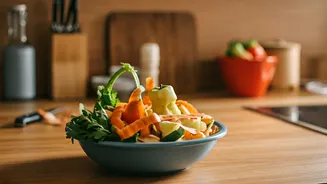
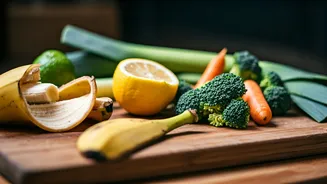
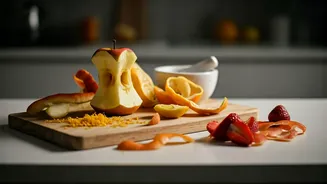
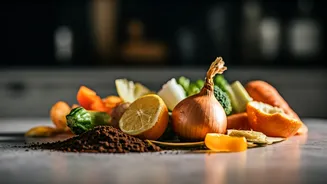
The foundation of no-waste cooking is a simple but powerful shift in perspective: seeing value in the entire ingredient. We’ve been conditioned to discard parts of vegetables that are not only edible but often packed with flavor and nutrients. This is the 'root-to-stem'
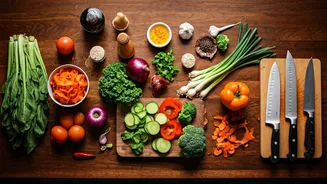
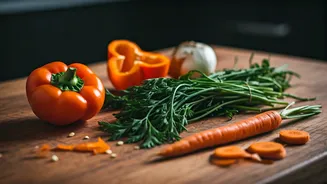
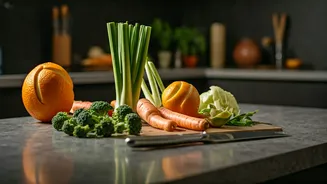
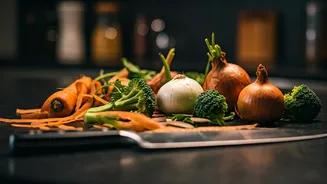
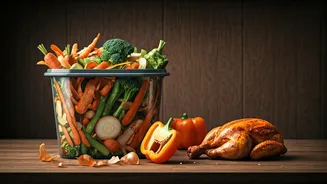
or 'nose-to-tail' philosophy. Think about that bunch of broccoli. Instead of tossing the thick stalk, peel its tough outer layer and slice the tender core for a stir-fry, shred it into a slaw, or roast it alongside the florets. The same goes for carrot tops, which can be blitzed into a zesty pesto, or kale ribs, which can be finely chopped and sautéed until tender. It’s not about forcing yourself to eat garbage; it’s about recognizing that what we often call 'scraps' are simply ingredients in disguise.
Master the 'Scrap' Stock
One of the easiest and most rewarding no-waste skills is making your own vegetable stock. It costs virtually nothing and instantly elevates the flavor of soups, stews, and grains. Keep a large freezer-safe bag or container in your freezer labeled 'Stock Scraps.' Throughout the week, add clean vegetable trimmings: onion and garlic skins (they add beautiful color), carrot peels, celery ends, mushroom stems, and herb stalks. Avoid cruciferous vegetables like broccoli or cabbage, as they can make the stock bitter. Once the bag is full, simply empty it into a large pot, cover with water, and simmer for an hour or two. Strain the liquid, and you have a rich, homemade stock. This single habit transforms kitchen waste into a foundational element of delicious cooking.
Revive Stale Bread and Leftovers
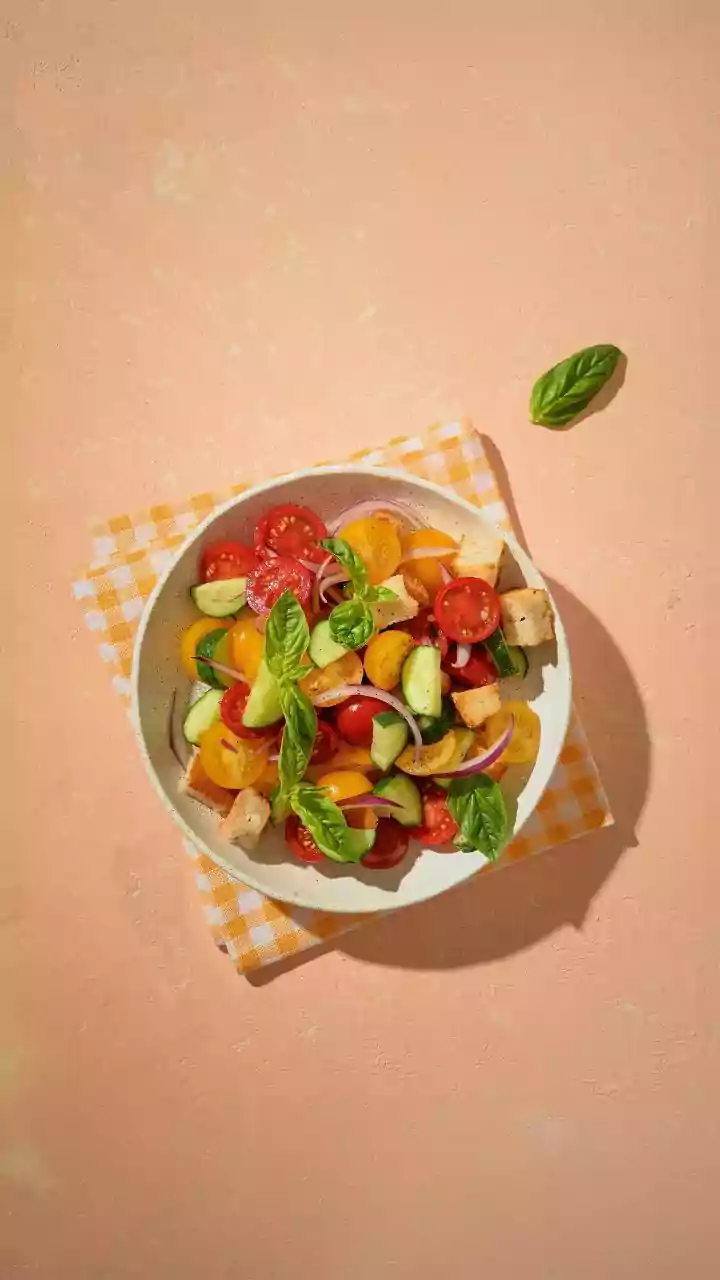
According to the USDA, bread is one of the most commonly wasted food items in American households. But stale bread is a culinary powerhouse. A day-old baguette is perfect for making crunchy croutons or a summery panzanella salad. Drier, heartier loaves can be cubed for bread pudding or used to thicken rustic soups like Italian ribollita. Beyond bread, think about leftovers as components for a new meal, not just a sad repeat of last night’s dinner. Leftover roasted chicken can become the star of tacos or a chicken salad. Extra rice is the perfect base for fried rice. The key is to see these items as building blocks for something new and exciting, giving them a second, often more delicious, life.
Build a 'Use-It-Up' Meal
Instead of always starting with a recipe, learn to start with what you have. This is a core skill of resourceful cooks. Dedicate one meal a week to using up whatever is lingering in your refrigerator. A 'use-it-up' meal is often the most creative. Have a few wilting greens, a half-used onion, and some random cheese? That’s a perfect frittata or omelet. A mix of leftover roasted vegetables, some grains, and a can of chickpeas can be turned into a hearty grain bowl with a simple vinaigrette. A collection of odds and ends can almost always be combined in a stir-fry, a 'kitchen sink' pasta sauce, or a blended soup. This approach not only prevents waste but also flexes your creative muscles, making you a more intuitive and confident cook who relies on instinct, not just instructions.
Preserve, Pickle, and Regrow
When you have a surplus of something, think like your grandparents and preserve it. Quick pickling is an incredibly easy skill that requires little more than vinegar, water, salt, and sugar. You can pickle almost anything: radish slices, carrot ribbons, onion slivers, and even tough watermelon rinds. It extends the life of produce and adds a bright, acidic punch to your meals. For herbs, chop them and freeze them in an ice cube tray with a little olive oil for perfect 'flavor bombs' to start a sauce. You can even regrow certain vegetables right on your windowsill. The white ends of scallions or the base of a head of romaine lettuce, when placed in a shallow dish of water, will sprout new greens within days.