








More Than Just Getting Your Steps In
Forget solo power walks with AirPods blasting. The walking craze sweeping across urban India is a profoundly social affair. From Mumbai's Marine Drive to Delhi's Lodi Garden, thousands are gathering in organized groups, often coordinated through sprawling
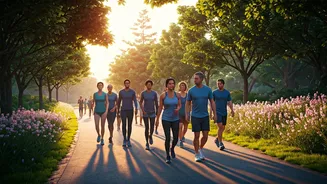
WhatsApp chats, for dedicated walking sessions. These aren't just casual strolls; they're structured meetups, typically happening in the pre-dawn quiet or late at night, when the cities' relentless traffic and heat finally subside. Groups can range from a handful of neighbors to hundreds of participants, spanning all ages and backgrounds. They call themselves 'walking clubs' or 'communities,' and their purpose is twofold: fitness and fellowship. In a country where public life is vibrant but often chaotic, these groups are creating pockets of predictable, positive social interaction built around the simple, universal act of walking.
An Antidote to Modern Isolation
So why is this happening now? The trend’s explosion is widely seen as a post-pandemic phenomenon. After long periods of lockdowns and social distancing, there's a deep-seated hunger for real-world connection that a Zoom call simply can't satisfy. Walking provides a safe, accessible, and free way to socialize. But it goes deeper than that. For many, it's a conscious rebellion against the increasingly sedentary and screen-saturated nature of modern life. In cities where commutes are long and work-from-home has blurred the lines between office and personal time, a dedicated hour of walking offers a mental and physical reset. It's a chance to disconnect from digital noise, engage with one’s surroundings, and talk with fellow humans. This isn't about chasing metrics on a fitness tracker; it's about reclaiming a piece of the day for personal well-being and genuine community.
The Social Fabric of the Sidewalk
The magic of these walking clubs lies in their simplicity and inclusivity. There are no membership fees, no fancy gear required, and no hierarchies. A tech CEO might be walking alongside a retired schoolteacher or a college student. Conversations flow easily, covering everything from neighborhood gossip to career advice and political debates. These groups become a vital third space—a place outside of home and work where people build social capital. Friendships are forged, business connections are made, and a sense of local community is strengthened. In a society that is rapidly urbanizing, these walking groups are recreating the tight-knit social fabric that might have once been found in a village square. They provide a support system, a source of daily motivation, and a powerful antidote to the loneliness that can permeate life in a sprawling metropolis.
Reclaiming the Streets, One Step at a Time
The "back" in "walking craze is back" is significant. While India has a long history of pedestrian life, decades of car-centric urban planning have made walking in many cities a hazardous and unpleasant experience. Poorly maintained sidewalks, constant traffic, and pollution are major obstacles. In this context, the act of walking in large, organized groups becomes a subtle form of activism. By showing up in numbers, these walkers temporarily reclaim streets and parks for people, not just for vehicles. They create a 'safety in numbers' effect, making it more feasible to navigate public spaces on foot, especially for women and older residents. This movement sends a quiet but clear message to city planners: residents want and need walkable cities. It's a grassroots demonstration of the demand for better pedestrian infrastructure and safer, more accessible public spaces for everyone.