

Beyond the Blissful Escape
The classic wellness retreat has a familiar rhythm: you arrive stressed, unplug for seven days, feel blissfully centered, and then return to your old habits within a week. It’s a wonderful reset, but the effects are often as temporary as your tan. Now,
a growing number of American travelers are seeking something more durable. They’re trading passive pampering for active learning, drawn to a model of travel where the ultimate souvenir isn’t a trinket, but a blueprint for a healthier life. This shift is turning retreats into classrooms and travelers into students of their own well-being, with the ancient Indian practice of Ayurveda as the primary curriculum.
What Is Ayurveda, Exactly?
Ayurveda, which translates to “the science of life,” is a 5,000-year-old system of natural healing with roots in ancient India. Far from a one-size-fits-all approach, it’s deeply personalized. Its core belief is that health is a state of balance between your mind, body, and spirit, and that this balance is unique to you. The system categorizes people into three primary mind-body types, or doshas: Vata (associated with air and space), Pitta (fire and water), and Kapha (earth and water). Most people are a combination of these. An Ayurvedic practitioner helps you identify your dominant dosha(s) and then creates a customized plan—covering diet, exercise, sleep, and daily routines—to keep your specific constitution in harmony. Think of it less as a rigid set of rules and more as an intuitive owner’s manual for your body.
The Souvenir That Lasts
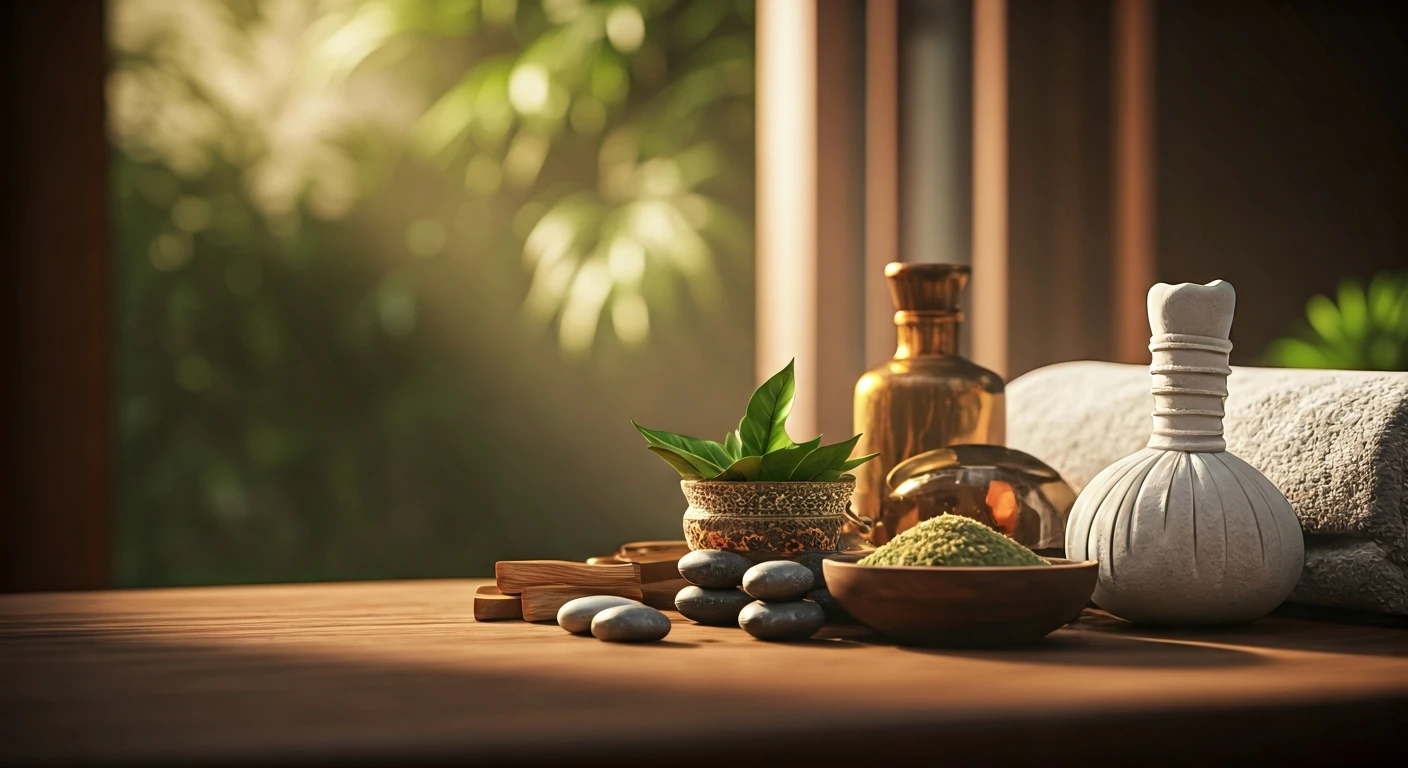
The new Ayurvedic travel goal is to internalize this owner’s manual. Instead of just receiving a relaxing oil massage (abhyanga), you attend a workshop to learn how to perform a simplified version on yourself at home. Instead of just eating delicious, dosha-balancing meals, you take cooking classes to understand the principles behind them. The trip becomes a hands-on-training program for your own life. This trend resonates deeply in a post-pandemic world where personal health agency has become paramount. People are tired of outsourcing their well-being and are looking for sustainable, empowering tools to manage stress, improve digestion, and boost energy long after they’ve unpacked their suitcase. The goal is no longer to escape your life, but to learn how to live it better.
Finding Your Ayurvedic Path
If you’re interested in an educational retreat, it’s important to look beyond the infinity pool and beach access. First, vet the credentials of the practitioners. Look for centers led by qualified Ayurvedic doctors (B.A.M.S. from India) or highly experienced, certified practitioners. Second, examine the daily schedule. Does it emphasize learning? Seek out programs that explicitly list workshops on topics like Ayurvedic nutrition, creating a daily routine (dinacharya), herbal remedies, and dosha theory. Some destinations in the U.S., like the Kripalu Center for Yoga & Health in Massachusetts or The Ayurvedic Institute in New Mexico, offer deep educational immersions. Internationally, the state of Kerala in India remains the global hub for authentic Ayurvedic treatments and learning.
How to Start at Home
You don't need a plane ticket to begin exploring Ayurveda. Integrating its principles can start with small, simple adjustments to your daily life. Try incorporating a 'dinacharya,' or daily routine. This could be as simple as waking up around the same time each day, scraping your tongue before brushing your teeth to remove overnight buildup of toxins, and practicing a few minutes of quiet meditation or deep breathing before checking your phone. Pay attention to your digestion—Ayurveda considers it the bedrock of health. Try sipping warm water throughout the day and eating your largest meal at midday, when your digestive fire (agni) is strongest. These small, consistent acts are the very foundation of what you’d learn at a retreat, proving that the journey to balance can start right in your own home.