





What is Weather-First Travel?
For generations, the travel formula was simple: pick a place, then pick a time. You wanted to see Paris, so you booked a flight for July. The Caribbean called, so you planned for December. The weather was a secondary consideration, a roll of the dice.
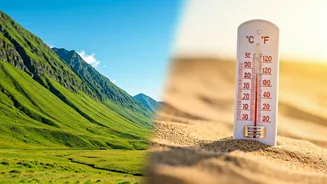
Weather-first travel turns that logic on its head. Instead of starting with a destination, you start with your desired conditions. Maybe you’re dreaming of a week of sunny, 75-degree days with low humidity. Or perhaps you want to guarantee a snowy landscape for a cozy winter getaway. You define the climate you want to experience, and then find the destinations that can deliver it during your travel window. It's a move away from destination-driven planning and toward experience-driven planning, where comfort, safety, and predictability are the top priorities.
The Smarter Play in a Changing Climate
This shift isn’t just a quirky trend; it’s a pragmatic response to a new reality. Searing heat domes in Southern Europe, wildfire smoke blanketing North American national parks, and increasingly unpredictable hurricane seasons have made peak-season travel a high-stakes gamble. A dream vacation can quickly turn into a nightmare of canceled flights, heat exhaustion, or being stuck indoors. By putting weather first, travelers are mitigating risk. They’re actively avoiding the conditions that lead to disruptions and disappointment. The benefits go beyond just safety and comfort. This approach often leads travelers to discover destinations they might have otherwise overlooked. Furthermore, chasing good weather frequently means avoiding peak tourist season, which translates into significant cost savings, smaller crowds, and a more authentic local experience. You’re not fighting for a dinner reservation in a sweltering city; you’re enjoying a pleasant meal on a quiet patio.
How to Plan Your Perfect-Weather Trip
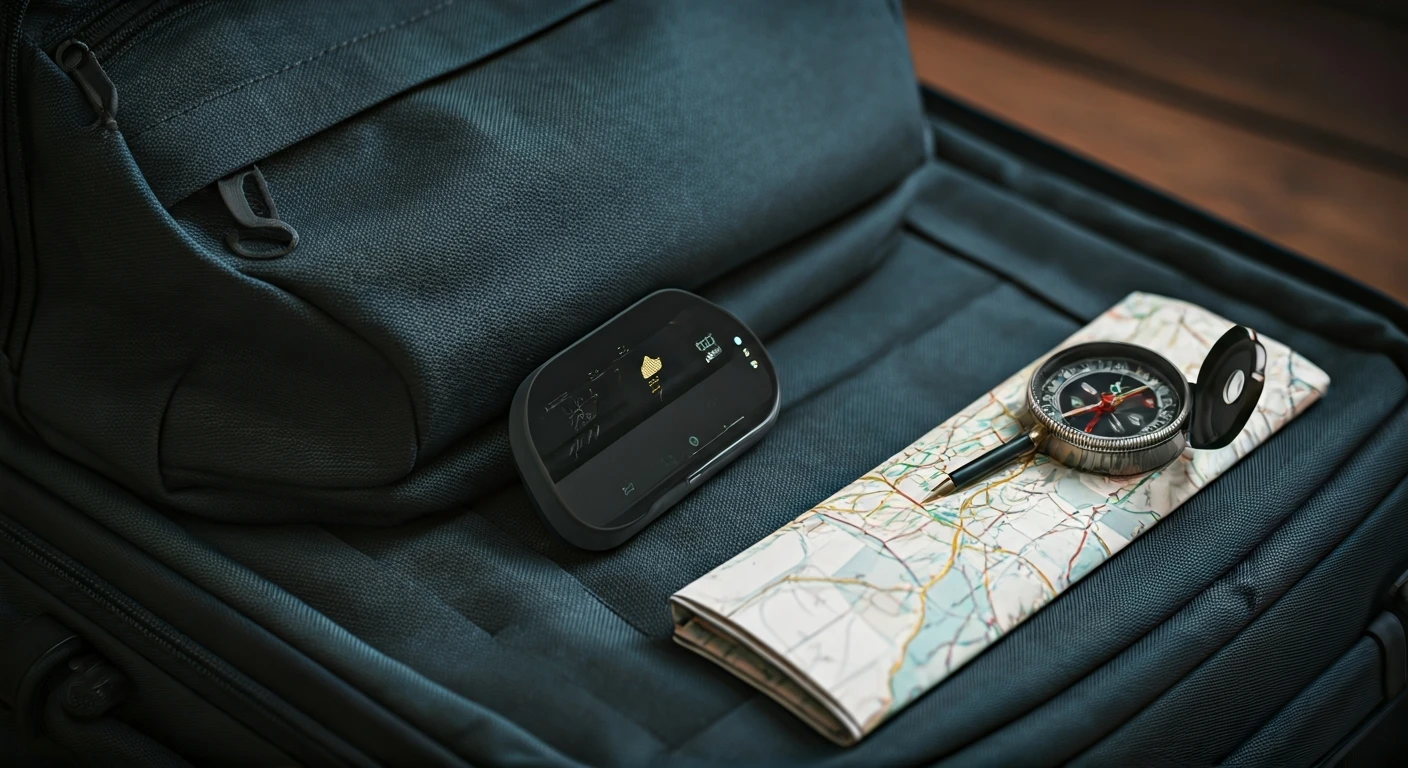
Adopting a weather-first mindset is easier than ever thanks to a new generation of planning tools. Start by defining your ideal vacation climate. Do you want beach weather? Hiking weather? Sweater weather? Be specific. Once you have your parameters, you can use several resources to find your spot. Google Flights’ “Explore” feature allows you to search for flights to anywhere from your home airport during a specific month, showing you prices across the map. You can cross-reference this with climate-finder websites or even detailed weather apps that provide historical monthly data for cities around the world. For example, instead of locking in on Greece in August, you might search for “destinations with average highs of 80°F in October.” This could point you toward Malta, Southern California, or even parts of Northern Africa. The key is to remain flexible on the “where” to guarantee the “what”—a comfortable, enjoyable, and uninterrupted trip.
The New Golden Age of 'Shoulder Season'
One of the biggest consequences of weather-first travel is the soaring popularity of the “shoulder seasons”—the months of spring (April, May) and fall (September, October) that bookend the traditional summer peak. For years, these were considered the insider’s secret for cheaper, less-crowded travel. Now, they are becoming the main event. Travelers are realizing that the south of France is far more pleasant in September than in August. The U.S. national parks are often at their most beautiful and accessible in the fall, free from the summer crush and oppressive heat. As more people seek to avoid climate-related travel hazards, these once-quiet months are becoming the new, desired peak season for those in the know. Planning a trip during these times is no longer just a budget hack; it's the core of a smart, weather-conscious travel strategy.