




1. Ashwagandha: The Stress-Soothing Adaptogen
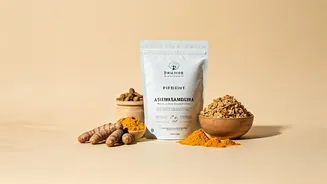
If you’ve browsed the wellness aisle recently, you’ve likely seen ashwagandha. This powerful adaptogen, a cornerstone of Ayurvedic medicine, is celebrated for its ability to help the body manage stress. Traditionally consumed as a powder from the plant’s
root, its earthy, slightly bitter flavor was often masked in milk-based tonics. Today, chefs and food creators are getting much more inventive. You can find ashwagandha infused into everything from calming “moon milk” lattes at trendy cafes to decadent chocolate bars and wellness gummies. In the modern Indian kitchen, it’s being subtly worked into smoothies, energy balls, and even desserts, offering a dose of calm without compromising on taste. Its resurgence isn't just about a health fad; it's about reclaiming a traditional tool for managing the pressures of modern life, one delicious, stress-busting sip at a time.
2. Moringa: The Nutrient-Dense Superleaf
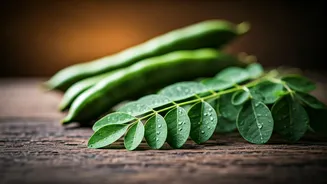
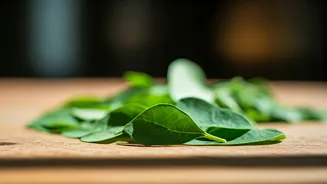
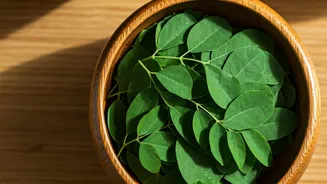
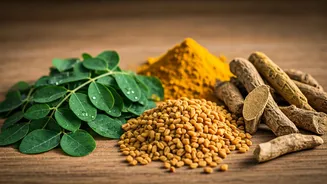
Often called the “miracle tree,” moringa is a testament to the fact that nature often packs the most nutrition into the most unassuming packages. The leaves of the moringa tree are a veritable superfood, loaded with vitamins A and C, calcium, potassium, and protein. While it has been used for centuries in South Indian cooking—its drumsticks are a classic component in the lentil stew sambar—its powdered leaf form is what’s making waves today. With a vibrant green hue and an earthy flavor reminiscent of spinach or matcha, moringa powder is an easy and potent nutritional booster. It's being stirred into dals and soups for added nutrients, blended into green smoothies and wellness shots, and even baked into bread and savory pancakes (dosas). This isn't about reinventing the wheel but re-appreciating a humble, powerful ingredient for its incredible versatility and dense nutritional profile.
3. Turmeric: The Anti-Inflammatory Golden Star
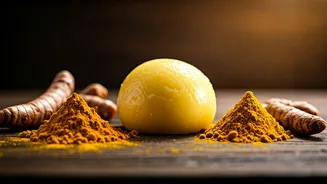
Turmeric is hardly a new discovery. Its brilliant golden-yellow color and warm, peppery flavor are fundamental to countless curries. What’s new is its superstar status in the Western wellness world, thanks to its primary active compound, curcumin, which is a potent anti-inflammatory. The trend arguably kicked off with the ubiquitous “golden latte,” a comforting mix of turmeric, milk, and spices that became a cafe staple. But the innovation hasn't stopped there. Forward-thinking chefs are moving turmeric beyond the spice blend, using its earthy notes to complement roasted vegetables, brighten marinades for grilled fish and chicken, and add complexity to salad dressings. You’ll even find it in wellness juices and kombucha. This evolution represents a deeper understanding of turmeric—not just as a coloring agent or background spice, but as a standalone flavor and a functional powerhouse worthy of the spotlight.
4. Jackfruit: The Plant-Based Chameleon
For years, jackfruit has been a staple in South and Southeast Asian cuisines, where it’s used in both ripe (sweet) and unripe (savory) forms. But its recent explosion in popularity in the U.S. is tied directly to the rise of plant-based eating. When cooked, unripe jackfruit has a remarkably meat-like texture that shreds perfectly, making it an ideal substitute for pulled pork or chicken. This unique quality has made it a darling of modern Indian and fusion cooking. You’ll find it as the star in “pulled” jackfruit biryani, stuffed into savory pastries, or served up in street-food style tacos with a dollop of cilantro-mint chutney. Its mild flavor readily absorbs spices, allowing it to anchor complex curries and masalas. Jackfruit’s journey from a humble backyard fruit to a trendy meat alternative shows how traditional ingredients can find new life by meeting modern dietary demands, without sacrificing the robust flavors that define Indian food.