



Tires: Your First Line of Defense
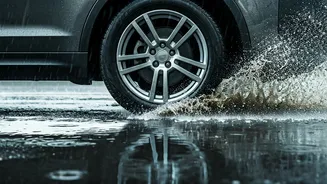
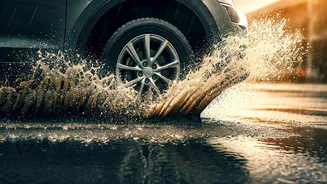
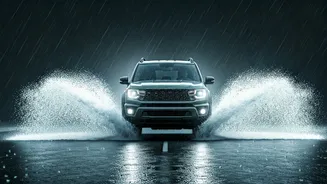
When a sudden deluge turns asphalt into a slick, unpredictable surface, your tires are the only thing connecting you to the road. The primary danger here is hydroplaning, where a layer of water builds up between your tires and the pavement, causing a total
loss of steering and braking control. It can happen at speeds as low as 35 mph. Before the season starts, check your tire tread. The classic 'penny test' is a good start: place a penny upside down in the tread. If you can see the top of Lincoln's head, your tires are too worn for wet conditions and need replacing. Proper inflation is just as critical. Under-inflated tires can't channel water away effectively, increasing hydroplaning risk. Check your car's doorjamb sticker for the recommended PSI and ensure your tires are correctly inflated.
Wipers and Fluid: See Through the Downpour
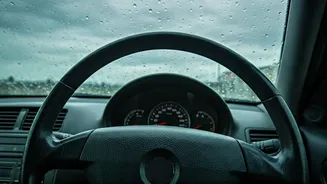
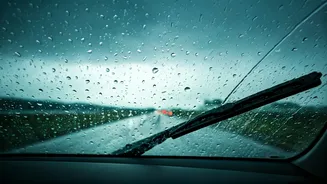
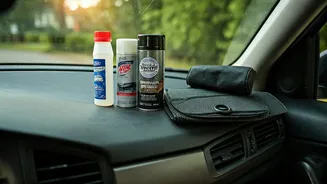
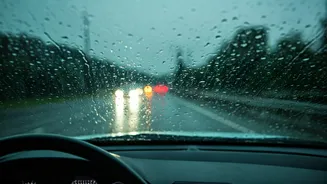
Monsoon storms aren't gentle drizzles; they are blinding sheets of rain. Your windshield wipers are your most important tool for visibility, but the intense sun and dry heat of the preceding months can wreak havoc on them. Rubber blades become brittle, cracked, and ineffective, smearing water instead of clearing it. Replace your wiper blades at the start of the season. It’s an inexpensive piece of maintenance that can make a life-or-death difference. While you're at it, top off your windshield washer fluid. The first rain after a long dry spell often kicks up a significant amount of oil and grime from the road, creating a greasy film on your windshield that only washer fluid can effectively cut through.
Lights and Battery: Be Seen, Be Powered
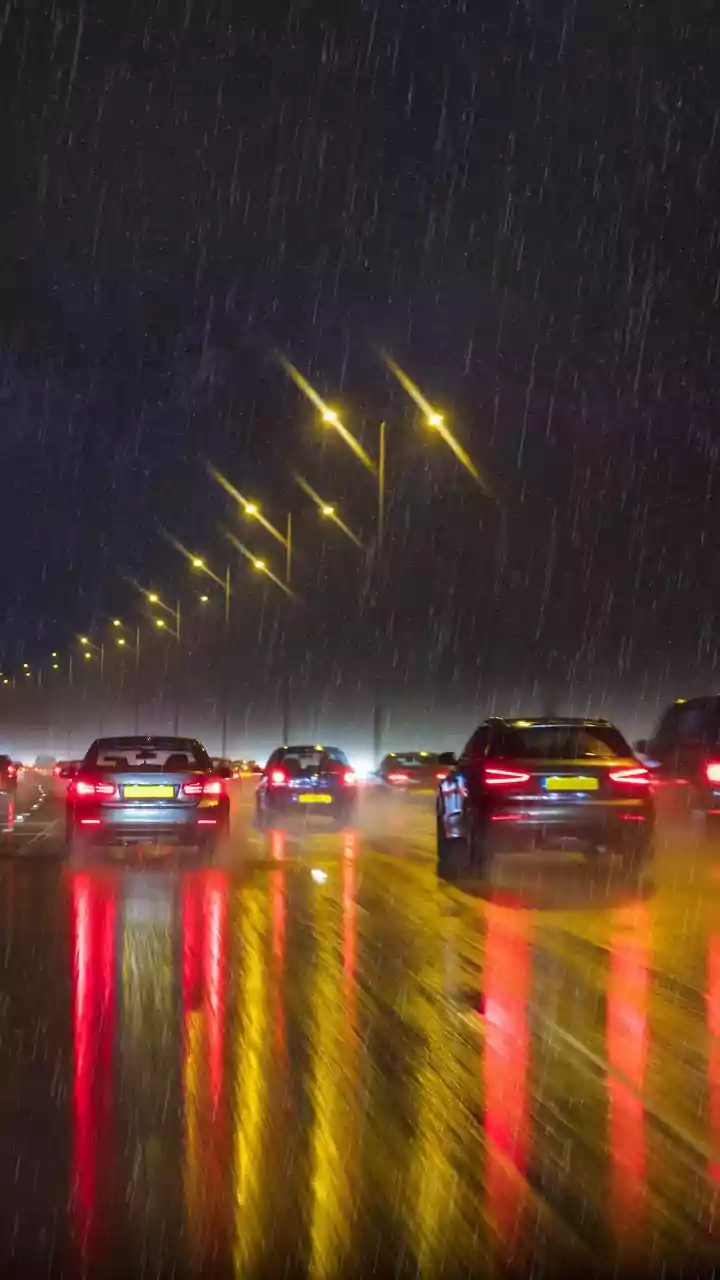
Visibility is a two-way street. In the low-light conditions of a thick storm or a blinding haboob (dust storm), your vehicle's lights are essential for others to see you. Before driving into a storm, take a moment to walk around your car and ensure all your lights—headlights, taillights, and brake lights—are functioning properly. Many states have 'wipers on, lights on' laws for a reason. The extreme heat leading up to monsoon season puts a massive strain on your car's battery. The additional load from running wipers, headlights, and air conditioning at full blast during a storm can be the final straw for an already weakened battery. If your battery is more than three years old, have it tested at an auto parts store or by your mechanic to avoid getting stranded.
The Flash Flood Threat: Turn Around, Don’t Drown
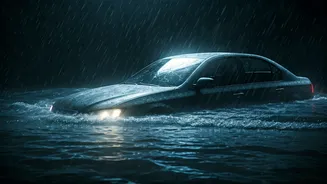
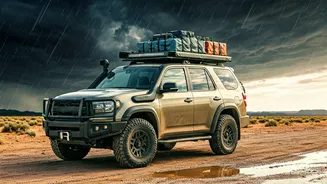
The most serious danger of monsoon driving isn't the rain itself, but where it ends up. Dry washes and arroyos that are empty 99% of the time can become raging torrents in minutes. It’s crucial to respect the power of moving water. The National Weather Service slogan “Turn Around, Don’t Drown” should be your mantra. Never attempt to cross a flooded roadway. It takes only six inches of water to reach the bottom of most passenger cars, causing loss of control and possible stalling. A foot of water can float many vehicles, and two feet of rushing water can carry away most vehicles, including SUVs and pickups. The roadbed underneath could be washed out, making the water much deeper than it appears. It is never worth the risk.
Haboobs: Pull Aside, Stay Alive
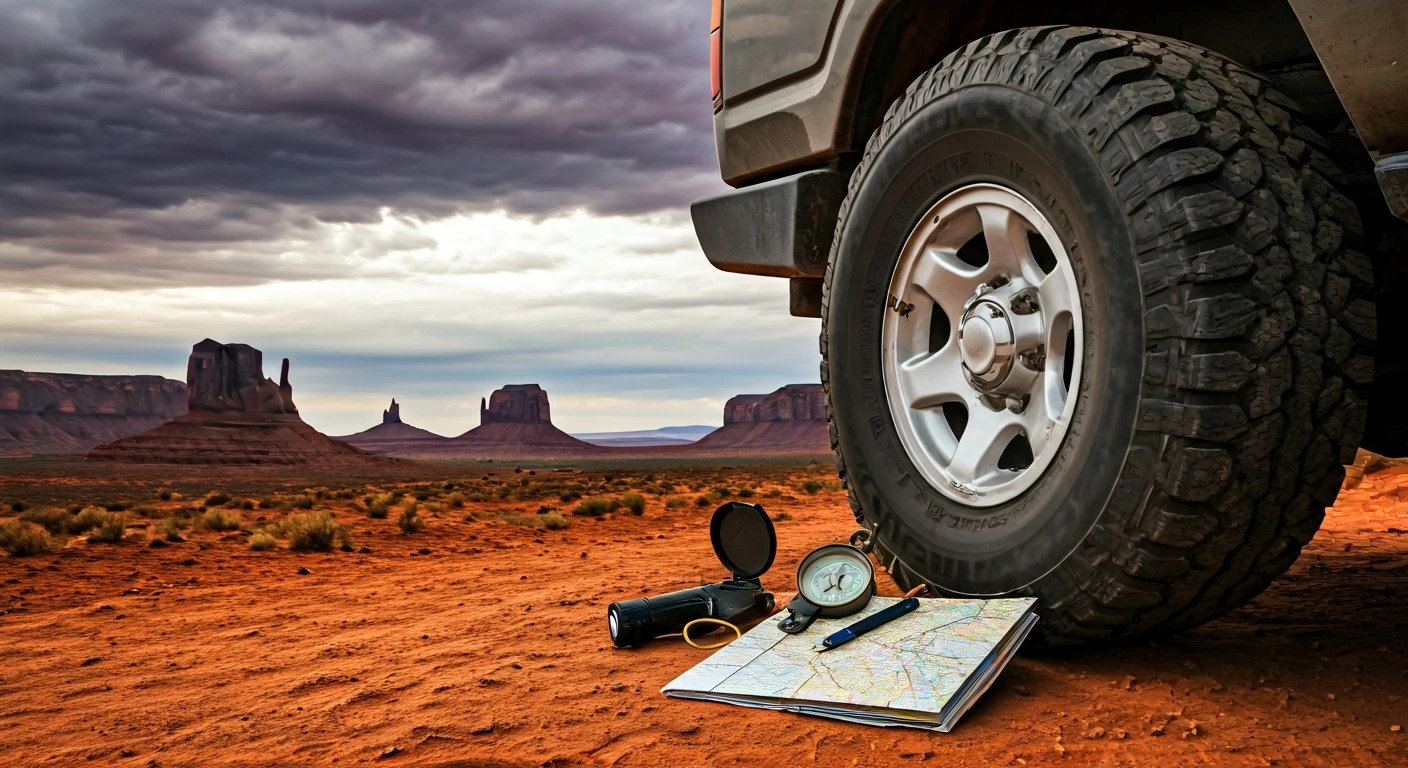
Unique to desert regions, a haboob is a massive, towering wall of dust and sand that can reduce visibility to zero in an instant. If you see one approaching, do not try to drive through it. The Arizona Department of Transportation has a clear protocol: “Pull Aside, Stay Alive.” Immediately check traffic around you and begin to pull off the roadway as far to the right as possible. Do not stop in a travel lane. Once you are safely off the road, turn off all your lights, including your headlights and brake lights, and set the emergency brake. Take your foot off the brake pedal. This prevents other drivers who may be trying to follow your taillights from rear-ending you. Stay in your vehicle with your seatbelt on and wait for the storm to pass.