
So, What Is Food Synergy?
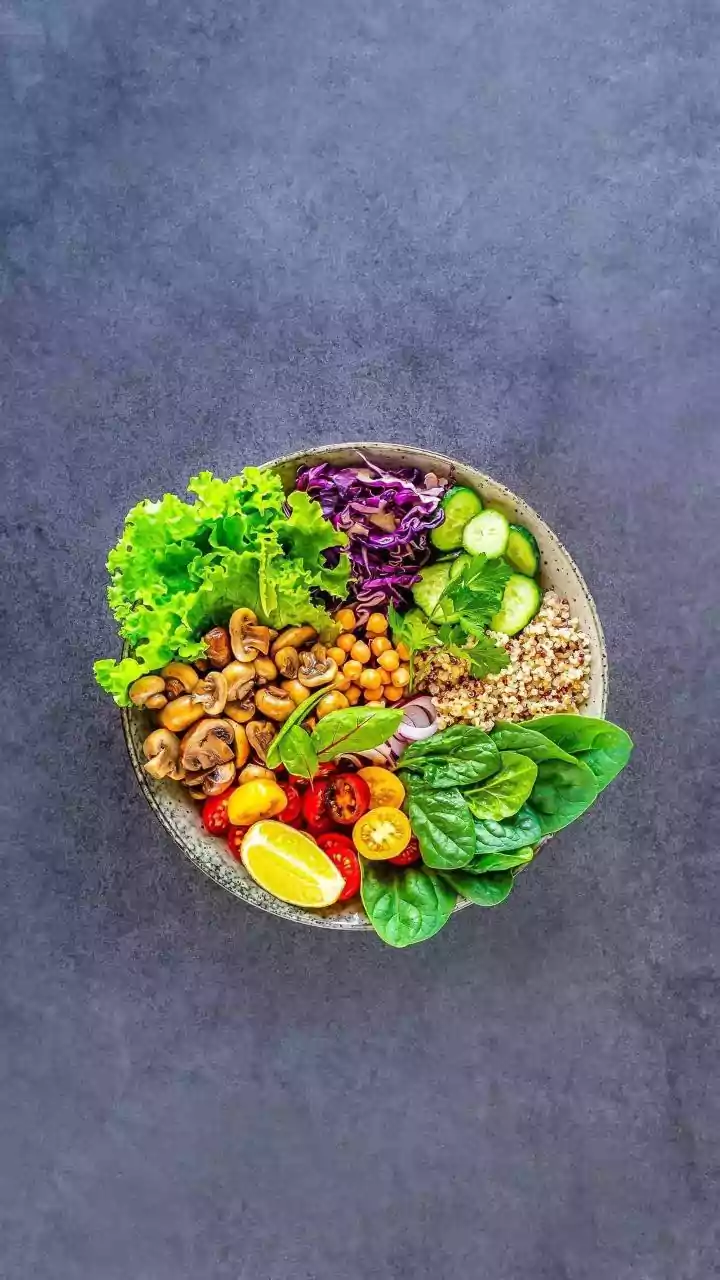
Think of it as nutritional teamwork. Food synergy is the concept that the nutrients and compounds within whole foods work together to create a health benefit that's greater than the sum of their individual parts. It’s the nutritional equivalent of 1+1=3.
While we often think of food in terms of isolated nutrients—like Vitamin C in an orange or iron in spinach—science is increasingly showing that these nutrients don't operate in a vacuum. The other compounds in the food (and in the foods you eat with it) can dramatically affect how well your body absorbs and utilizes them. A classic example is lycopene, the antioxidant in tomatoes that's linked to reduced cancer risk. Studies show that when you eat tomatoes with a little olive oil, your body absorbs significantly more lycopene. The fat helps make the antioxidant more bioavailable. This isn't about 'hacking' your diet with supplements; it’s about understanding the inherent intelligence of whole foods.
Enter the Thali: A Masterclass in Balance
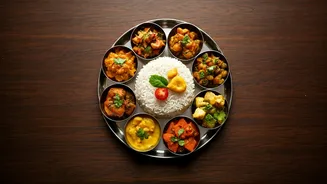
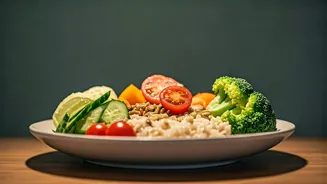
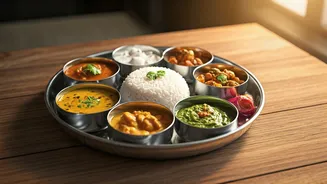
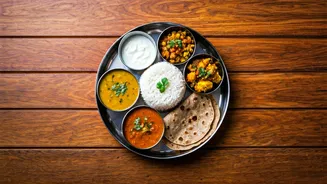
Now, imagine this principle applied to an entire meal. That’s the thali. For those unfamiliar, a thali (Hindi for 'plate') is a traditional Indian meal format consisting of a large platter with a selection of small bowls, called katoris. It’s a complete, single-portion meal designed to be a symphony of flavors, textures, and nutrition. A typical thali might feature a portion of rice or flatbread (like roti or naan), a lentil dish (dal), one or two vegetable preparations (sabzi), a yogurt dish (raita), a pickle (achar), and often a small sweet for dessert. The philosophy isn't just about filling you up; it's about providing a balanced offering of the six tastes recognized in Ayurveda: sweet, sour, salty, bitter, pungent, and astringent. This ancient culinary wisdom, it turns out, is a masterclass in food synergy.
Synergy in Action on Your Plate
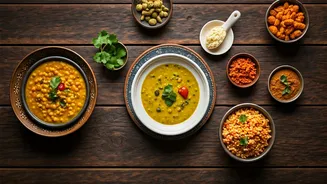
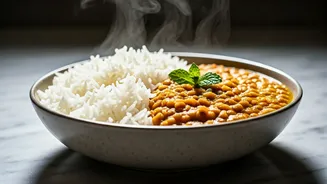
Let’s break down the teamwork happening on a typical thali. That humble bowl of dal is packed with plant-based iron, but this type of iron (non-heme) is notoriously difficult for the body to absorb. However, many Indian recipes include tomatoes or a final squeeze of lemon or lime—both rich in Vitamin C, which is proven to dramatically enhance non-heme iron absorption. The combination of rice (a grain) and dal (a legume) creates a complete protein, providing all the essential amino acids your body needs, a concept that's fundamental to vegetarian diets worldwide. Many curries are yellowed with turmeric, which contains the anti-inflammatory powerhouse curcumin. But curcumin is poorly absorbed on its own. The solution? Black pepper, another staple of Indian cuisine, contains piperine, a compound that can increase curcumin's bioavailability by up to 2,000%. And the cool, creamy raita isn't just there to tame the heat; the probiotics in the yogurt aid digestion of the entire complex meal.
The Wisdom of Whole Meals
The thali’s brilliance lies in its holistic approach. It stands in stark contrast to a common Western dietary mindset that often reduces food to a list of 'good' and 'bad' nutrients to be counted, tracked, and optimized with pills and powders. The thali reminds us that nutrients don't exist in isolation. They come packaged with fiber, enzymes, and thousands of other micronutrients in a complex matrix that a supplement can never replicate. This ancient way of eating champions variety and combination. It intuitively understands that a meal should be a cooperative system, where each component helps the others shine. It's not about eating a cup of lentils for iron, a tomato for lycopene, and a turmeric supplement for inflammation. It's about eating a delicious dal that combines all three in a synergistic, bioavailable, and satisfying way.