




The New Monsoon Reality
For generations, monsoons were relatively predictable. In places like the American Southwest or Southeast Asia, they brought much-needed rain in a cyclical, almost comforting rhythm. That rhythm is breaking. Climate change is fueling what scientists call
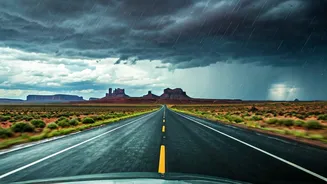
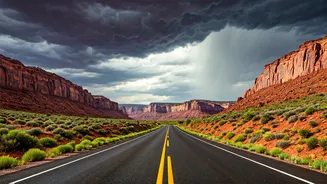
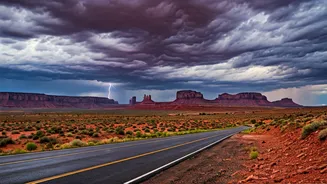
weather whiplash—long droughts punctuated by extreme, concentrated rainfall. Instead of steady, soaking rains, we’re seeing more flash floods, landslides, and infrastructure-damaging deluges. A storm that would have once been a dramatic backdrop to your vacation photos can now become a serious, trip-altering hazard. The North American monsoon, which affects Arizona, New Mexico, and parts of neighboring states, has become particularly volatile. This isn't about being scared; it's about being smart. The era of assuming a monsoon getaway will go off without a hitch is over.
Rethink Your Route and Itinerary
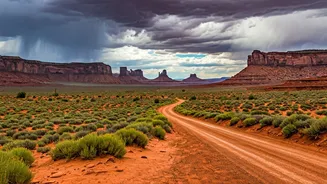
The first step in better planning is geographic humility. A remote desert trail or a single-road-in, single-road-out mountain village can seem idyllic, but during an unpredictable monsoon, it can become a trap. When booking, prioritize destinations with robust infrastructure and multiple access routes. If you’re planning a trip to a known monsoon zone like the U.S. Southwest, reconsider high-risk activities. Hiking in slot canyons, for example, is exceptionally dangerous during this season, as a storm miles away can send a deadly wall of water rushing through a dry canyon with no warning. Instead, opt for activities in areas with clear vantage points and easy escape routes. Check with local ranger stations or guide services not just about trail conditions, but about the specific risks associated with the current weather patterns. Be prepared to cancel or change plans at a moment's notice.
Upgrade Your Emergency Kit
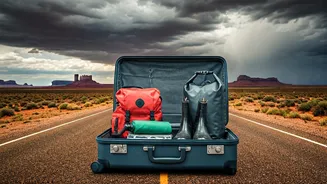
Your packing list needs to evolve beyond basic travel gear. Assume you could be cut off for 24 to 48 hours, whether by a flooded road or a landslide. This means packing for self-sufficiency. In your car or daypack, include extra water and non-perishable, high-energy snacks. A portable power bank for your phone is essential, but don’t stop there. If you’re heading into areas with spotty cell service, a satellite messenger (like a Garmin inReach or a ZOLEO) is a wise investment that allows for two-way communication and SOS functions without relying on cellular networks. Also, pack a comprehensive first-aid kit, a good headlamp or flashlight with extra batteries, and physical maps of the area as a backup to your GPS.
Master Your Information Sources
Your phone’s default weather app isn’t enough. For monsoon travel, you need to monitor professional-grade information. Before and during your trip, make a habit of checking the National Weather Service (NWS) or NOAA (National Oceanic and Atmospheric Administration) for detailed forecasts and alerts. Understand the difference between a “watch” (conditions are favorable for a hazard) and a “warning” (a hazard is imminent or occurring). Sign up for local emergency alerts if the county you’re visiting offers them. For road travel, keep the state’s Department of Transportation (DOT) website or app bookmarked to check for real-time road closures. This proactive information gathering is the single most important habit for safely navigating a volatile weather season. Don’t wait for the hotel clerk to tell you a road is out; be the traveler who already knows.
Get the Right Travel Insurance
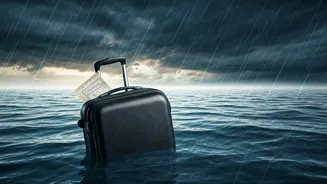
Finally, don’t leave home without the right travel insurance. And read the fine print. Many basic policies exclude weather-related disruptions, arguing that a monsoon is a foreseeable event. In today's climate, you need a more robust policy. Look for plans that specifically cover trip interruptions and cancellations due to severe weather. The gold standard is a “Cancel for Any Reason” (CFAR) policy. It’s more expensive, but it typically allows you to recoup a significant portion of your pre-paid costs if you decide to cancel your trip for any reason—including a bad weather forecast that makes you uncomfortable. Given the increasing unpredictability, this level of flexibility is no longer a luxury; it’s a core part of responsible travel planning.