


The Age of the Overstimulated Mind
We live in an era of constant connection. Notifications buzz, emails pile up, and social media feeds offer an endless scroll of information, comparison, and engagement. This state of being ‘hyper-connected’ isn’t just a buzzword; it’s a cognitive and emotional
reality for millions. It can lead to decision fatigue, low-grade anxiety, and an inability to truly rest, even when we’re physically still. Our brains, never given a chance to power down, exist in a state of perpetual alertness. In response, many are seeking an offline refuge—a physical space that pushes back against the digital chaos. The home, once just a place to eat and sleep, is being reimagined as a crucial tool for mental and emotional regulation.
What is Warm Minimalism?
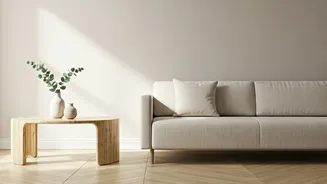
When you hear ‘minimalism,’ you might picture stark white walls, cold concrete floors, and a single, uncomfortable-looking chair. That was the aesthetic of an earlier iteration, one that prioritized asceticism above all else. Warm minimalism is its more human, more inviting successor. It keeps the core principle of minimalism—possessing only what is necessary and loved—but redefines ‘necessary’ to include comfort, texture, and soul. It’s less about emptiness and more about intentionality. This philosophy isn’t about deprivation; it’s about curating a space that actively nurtures you. It trades coldness for coziness and starkness for serenity, creating an environment that feels both clean and deeply personal.
Principle 1: Embrace Natural Materials
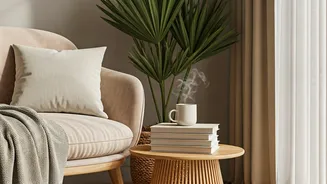
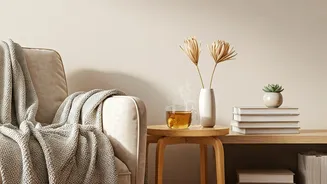
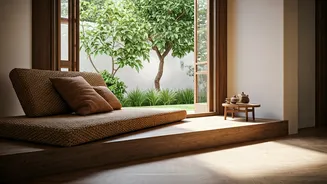
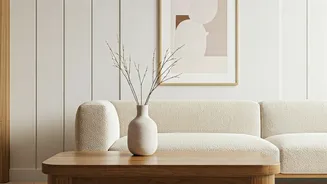
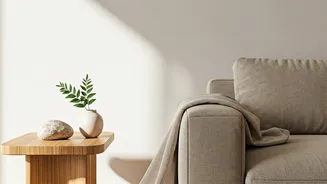
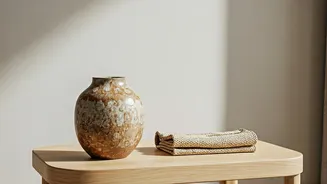
A core tenet of warm minimalism is the use of materials that connect us to the natural world. Think unstained wood, worn leather, soft linen, chunky wool, and cool stone. These elements bring an organic, grounding quality into a home that sterile plastics and metals cannot replicate. The grain of a wooden table, the nubby texture of a wool blanket, or the smooth surface of a ceramic vase provide tactile experiences that pull us out of our heads and into the present moment. In a world dominated by slick glass screens, these textures offer a sensory antidote, reminding us of a world that is imperfect, tangible, and real.
Principle 2: Soothe with an Earthy Palette
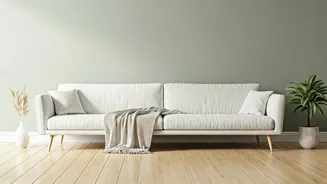
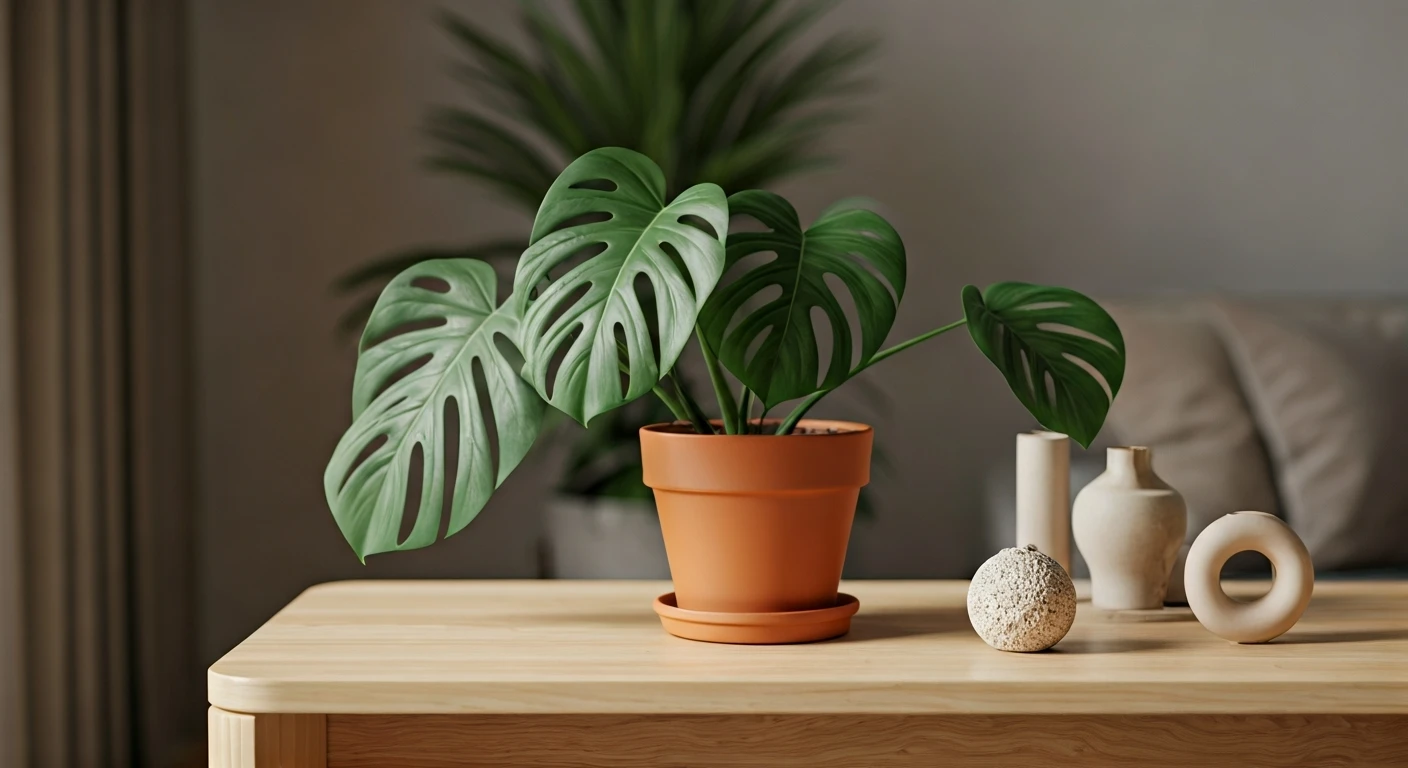
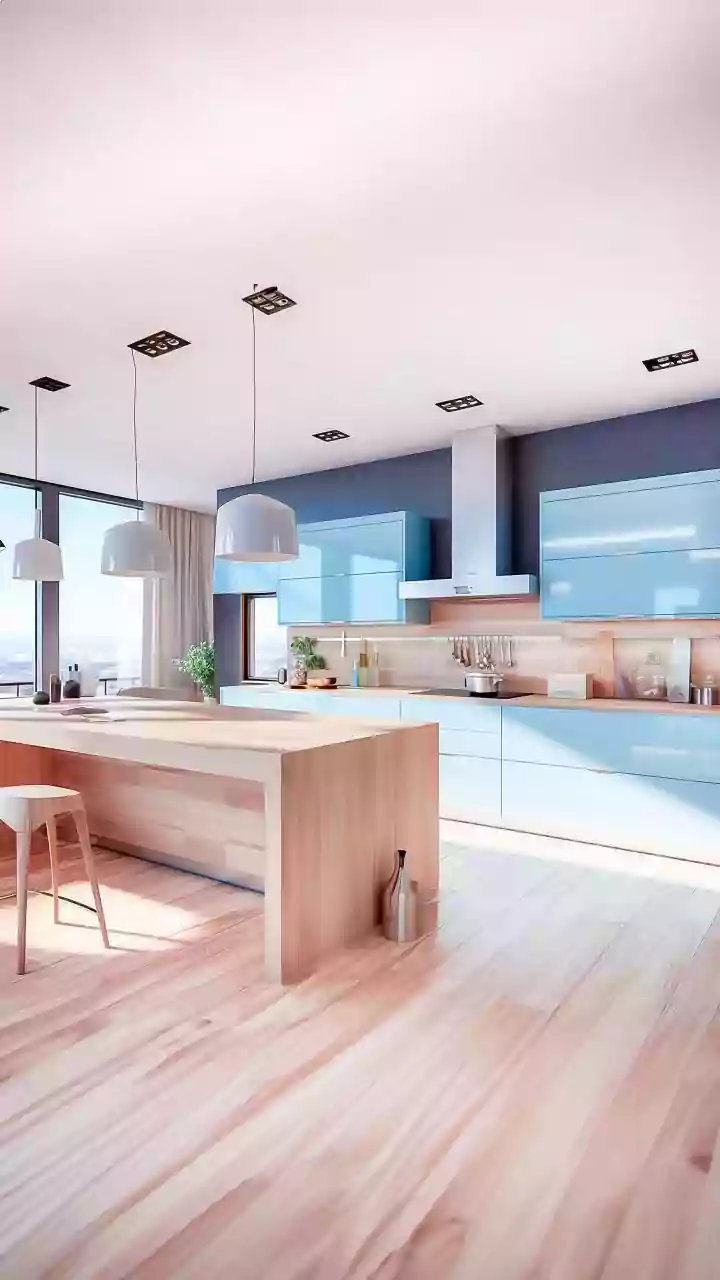
Color has a profound effect on our psychology, and warm minimalism leverages this to create a calming atmosphere. Instead of harsh, gallery-white walls, this style leans into a palette of warm neutrals and earthy tones. Think creamy off-whites, soft beiges, muted terracotta, gentle olive greens, and deep, calming blues. These colors are complex and have a softness that absorbs light rather than reflecting it harshly. They evoke a sense of stability and peace, wrapping a room in a quiet embrace. This doesn't mean the space has to be boring; the richness comes from layering different shades and tones of these soothing colors to create depth and sophistication.
Principle 3: Curate with Personal Intention
This isn't about getting rid of all your stuff. It’s about choosing your stuff with purpose. Warm minimalism encourages you to surround yourself only with objects that are either genuinely useful or deeply meaningful. That travel souvenir, the lopsided mug your child made, a favorite piece of art—these aren't clutter. They are storytellers. The key is to give these items space to breathe, displaying them with intention rather than letting them get lost in a sea of miscellaneous decor. By editing your possessions down to the essentials and the cherished, you create a home that is a reflection of your life and values, not a catalog showroom. Every object has a role, contributing to a sense of peace rather than distraction.
Principle 4: Layer Light and Softness
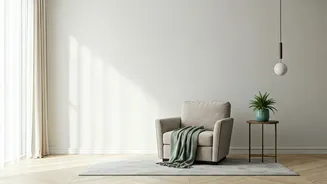
Harsh, overhead lighting can feel clinical and stressful. Warm minimalism prioritizes layered, ambient lighting to create a gentle and inviting mood. This means using multiple sources of light at different heights: a floor lamp for reading, a table lamp for a warm glow in a corner, and candles for flickering, dynamic light. Dimmer switches are a key tool. Paired with this is the layering of soft textiles. Plush rugs, soft-to-the-touch curtains, and an abundance of throw pillows and blankets soften not only the look of a room but also its acoustics, muffling sharp sounds and contributing to an overall feeling of quiet and calm.