


The Comfort Food Dilemma
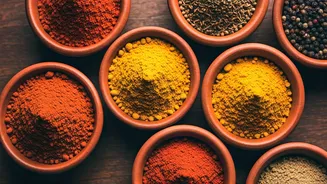
Let’s be honest. For most Americans, cooking authentic Indian food from scratch feels like a weekend project, not a weeknight option. The allure of dishes simmering with turmeric, cumin, and coriander is powerful, but the barrier to entry is high. A single
recipe can call for a laundry list of spices you don’t own, techniques you’ve never tried, and a level of patience that’s in short supply after a long day at work.
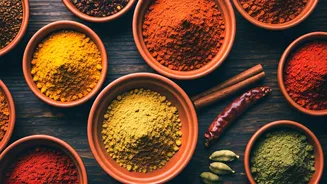
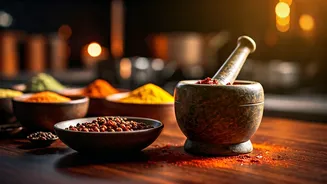
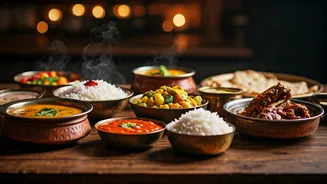
Traditional Indian cooking is an art form built on layers of flavor, developed over time. Think of the deep, creamy texture of dal makhani, which requires soaking lentils overnight and then simmering them for hours. Or the complex spice blend (masala) for a perfect chana masala. It’s not just about dumping ingredients in a pot; it’s about toasting spices, blooming them in oil, and patiently building a base. This process is what makes the food so soulful and satisfying, but it's also what puts it out of reach for many home cooks.
The 'Smart' Solution Arrives
Enter the “smart upgrade.” This isn't about another generic curry powder or a frozen dinner that tastes like a pale imitation of the real thing. This is about a new wave of meal kits specifically designed to deliver authentic, regional Indian meals in minutes. Companies like Cumin Club are at the forefront of this trend, deconstructing complex recipes and re-engineering them for ultimate convenience without sacrificing authenticity.
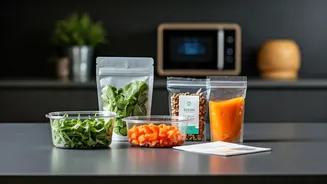
The concept is simple but revolutionary: they do all the hard work for you. The sourcing of high-quality, region-specific spices, the chopping, the grinding, the hours of prep—it's all handled by chefs in India. The result is a shelf-stable packet that contains the soul of a dish. All you have to do is the final, incredibly simple step, which often involves little more than adding hot water and simmering for about five minutes. It’s the culinary equivalent of a cheat code for one of the world’s most beloved cuisines.
How Does It Actually Work?
The secret isn't magic; it's food science. Many of these kits rely on advanced freeze-drying and dehydration techniques. Unlike old-school dehydrated soups that lose all their texture and vibrancy, modern methods are far more sophisticated. Ingredients are flash-frozen and then placed in a vacuum, which gently removes the ice as vapor. This process preserves the cell structure, color, and, most importantly, the nuanced flavors of the original ingredients. The complex aromatics of the freshly ground masalas remain intact.
When you add hot water, the ingredients rehydrate almost instantly, returning to their original state. The dal becomes creamy, the vegetables regain their bite, and the spices bloom as if you had just toasted them yourself. Because everything is perfectly proportioned by chefs who know the cuisine inside and out, the result is shockingly close to a home-cooked meal. It’s a smart system that locks in authenticity and unlocks convenience.
More Than Just Curry in a Hurry
Perhaps the most exciting part of this upgrade is the focus on regional specificity. Indian food is not a monolith. The cuisine of Punjab in the north is vastly different from that of Kerala in the south. Most supermarket options offer a generic, Anglicized version of “Indian curry,” but these new services are celebrating the country’s true diversity.
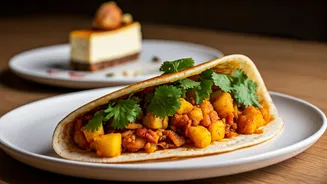
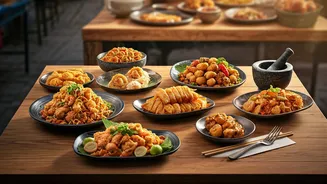
You can find kits for things like Gujarati dal, a sweet and tangy lentil soup, or Paneer Bhurji, a savory scrambled cheese dish popular in the north. You might discover Pav Bhaji, a mashed vegetable street-food classic from Mumbai, or Bisibelabath, a hearty lentil and rice dish from Karnataka. For many Americans, this is the first time such a wide array of authentic, regional dishes has been so accessible. It transforms dinner from a chore into an act of culinary exploration, allowing you to travel across India from your own kitchen, one five-minute meal at a time.