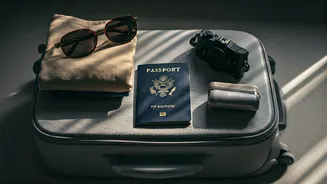









The Rise of the Micro-Cation
If it feels like your friends are suddenly taking off for long weekends in Austin or three-day sprints to a national park, you’re not imagining things. The traditional week-long summer vacation is being supplemented—and in some cases, replaced—by its
more nimble cousin: the micro-cation. Defined as any leisure trip shorter than five nights, these compact getaways are surging in popularity. Travel booking platforms report a noticeable shift, with travelers increasingly opting for two or three shorter trips over a single, extended holiday. This isn't just about saving vacation days; it’s a fundamental change in how we’re choosing to recharge, driven by a perfect storm of economic realities, workplace flexibility, and a collective psychological reset.
Why Now? The Economic Reality
Let’s start with the most obvious driver: your wallet. With inflation touching everything from gas to groceries, the cost of a ten-day trip can feel prohibitive. Airfare and hotel prices have remained stubbornly high, forcing many to rethink their travel budgets. A shorter trip is a brilliant hack. It inherently costs less—fewer nights in a hotel, fewer meals out, and potentially lower flight costs if you travel mid-week or to a closer destination. According to travel industry analysis, the average cost per day doesn’t change much, but lopping off three or four days from the total duration can mean the difference between going somewhere and staying home. This budget-conscious approach allows people to still get the thrill of travel without the financial hangover that can accompany a massive vacation.
The Post-Pandemic Mindset
The psychological aspect is just as powerful. The post-lockdown era unleashed a wave of 'revenge travel'—a frantic desire to make up for lost time. But that intensity has a burnout point. Many are now trading the stress of planning an epic, two-week international journey for the simple joy of more frequent, low-stakes novelty. The modern traveler is often seeking dopamine hits over deep dives. A quick trip provides a new environment, new food, and a break from routine without the logistical and mental burden of a major expedition. It’s a sustainable model for wanderlust, preventing the 'I need a vacation from my vacation' feeling and spreading out moments of discovery across the entire year.
Work, But Not From the Same Old Home
The revolution in remote and hybrid work has been a massive enabler of the micro-trip. When you only need to be in the office Tuesday through Thursday, a four-day weekend is suddenly within reach every single week. Employees are leveraging this flexibility by booking Thursday-to-Sunday trips or tacking a personal day onto a long weekend. This 'trip-stacking' allows for more frequent escapes without dipping too deeply into precious PTO. Furthermore, the ability to 'work from anywhere' for a day or two means a traveler might fly out on a Thursday, work a full day from their hotel or a coffee shop on Friday, and then have the entire weekend to explore, effectively blending work and leisure into a more fluid lifestyle.
How to Master the Mini-Break
The key to a successful short trip is efficiency. First, choose your destination wisely. Focus on places that are easy to get to—a short flight or a few hours’ drive is ideal. You don’t want to spend a third of your vacation in transit. Second, don't overschedule. A micro-cation is not the time to check off a 20-item bucket list. Pick two or three main activities or experiences and leave room for spontaneity. The goal is to relax, not to rush. Finally, pack light. A carry-on is all you need, which saves you time at the airport and money on baggage fees. By embracing a minimalist and focused approach, a three-day trip can feel as restorative as a week away.