





The Engine Behind the Boom
For decades, international food expos in places like Cologne, Paris, or Chicago have set the global agenda. But a seismic shift is underway, powered by India's economic transformation. The country's F&B expo boom isn't happening in a vacuum; it’s the direct
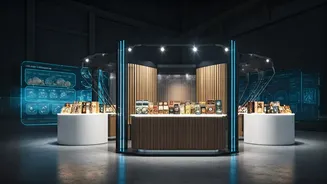
result of a rapidly expanding middle class with disposable income, rapid urbanization, and a massive, digitally connected youth demographic. With over a billion consumers, what happens in India no longer stays in India. This new consumer class is more health-conscious, more adventurous, and demands more convenience than any generation before it. They are driving a multi-billion-dollar food processing industry that is hungry for innovation, and events like AAHAR in New Delhi or Indusfood are where that hunger is being met. These are no longer sleepy, government-led trade shows; they are vibrant, competitive marketplaces where global buyers and investors come to discover what's next.
The Key Trends on Display
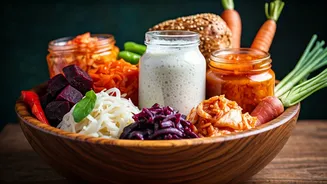
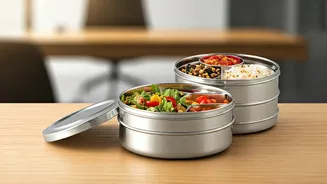
So, what exactly makes these expos a 'trend lab'? It’s the sheer velocity of product innovation on display. Walk the aisles and you’ll see several key themes emerge. First is the 'better-for-you' revolution. This isn't just about low-fat or low-sugar; it's about functional foods. Startups are showcasing snacks and staples made from ancient grains like millet and sorghum, tapping into both national pride and global health trends. Second is the explosion in sophisticated plant-based alternatives. Moving far beyond simple soy products, Indian companies are creating plant-based versions of traditional dairy products like ghee and paneer, as well as mock meats that cater to the country's huge vegetarian population and growing flexitarian cohort. Finally, convenience has been radically redefined. The ready-to-eat (RTE) category has evolved from basic curries to gourmet meal kits, artisanal sauces, and craft cocktail mixers that offer a high-quality experience with minimal effort, perfectly suited for the busy, urban Indian professional.
Why U.S. Businesses Should Care
For American brands and investors, ignoring this phenomenon is a critical mistake. India’s trend lab offers a three-fold opportunity. First, it’s a direct window into the tastes and preferences of the world's next great consumer market. Understanding what a young professional in Mumbai wants for a quick weeknight dinner is invaluable market intelligence for any company with global ambitions. Second, it's a hotbed for product inspiration. The innovative use of spices, the focus on sustainable and hyperlocal ingredients, and the development of plant-based products for a non-Western palate provide a blueprint that can be adapted for American consumers seeking authentic, novel, and healthy options. A millet-based snack that’s a hit in Bangalore could very well be the next star on the shelves of Whole Foods. Finally, it's a sourcing and partnership goldmine. The expos are a one-stop shop for connecting with manufacturers, agricultural producers, and tech startups who are shaping the future of food—often at a competitive cost and with a focus on sustainable practices.
The Startup-Fueled Innovation Engine
A key ingredient in this boom is India’s thriving startup ecosystem. While legacy food conglomerates are present, the real energy at these expos comes from hundreds of small, nimble companies. Unburdened by corporate inertia, these startups are quick to identify and serve niche market demands. They are the ones driving experimentation, whether it’s creating a new type of vegan protein, developing biodegradable packaging from agricultural waste, or building a direct-to-consumer brand around a single, high-quality regional ingredient. For these companies, the expo is their launchpad—a chance to get noticed by venture capitalists, secure distribution deals, and gain invaluable feedback. Their collective ambition and creativity are what transform a trade show into a dynamic laboratory, making it a predictive indicator of where the entire industry is headed.