



What 'Eating Seasonally' Actually Means
Before you imagine a life without January strawberries, let’s clarify. Eating seasonally doesn’t mean deprivation; it means prioritization. At its core, it’s about choosing to eat foods that are harvested at their natural peak in your geographic region.
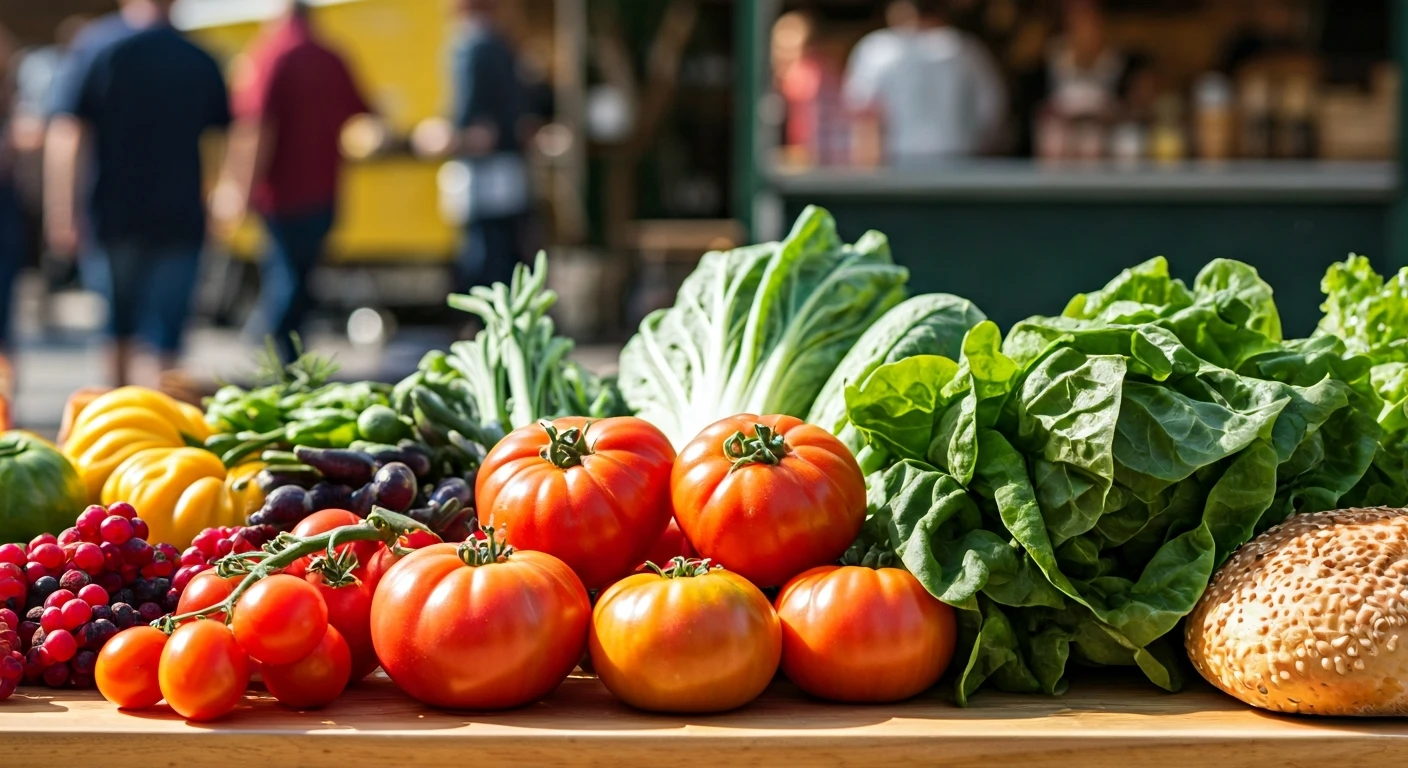
It’s the difference between a sun-ripened tomato from a local farm in August and a pale, hard one shipped from thousands of miles away in February. The modern supermarket, with its year-round abundance, has disconnected us from the natural rhythm of agriculture. We can get anything, anytime. But that convenience comes at a cost. Embracing seasonal eating is simply a shift in mindset: building your meals around what’s fresh, abundant, and close to home right now, rather than demanding every type of produce 365 days a year.
Lighter on the Planet
This is the “sustainability” part of the hack. When you buy produce that’s out of season, it has often traveled a long way to get to you. These “food miles” contribute to a significant carbon footprint from transportation via trucks, ships, and even planes. Furthermore, growing non-seasonal crops often requires energy-intensive inputs. Think of the fossil fuels needed to heat greenhouses for winter tomatoes or the massive amounts of electricity used for long-term cold storage to keep apples “fresh” for months after their fall harvest. By contrast, seasonal, local produce travels shorter distances and is grown in conditions that nature intended, drastically reducing the resources needed to get it from the farm to your table. It’s a direct vote for a less resource-intensive food system.
Easier on Your Wallet
Here’s the “practical” part. The laws of supply and demand are on your side when you eat seasonally. When a crop is in season, it’s at its peak supply—farmers are harvesting it in abundance. This surplus drives down prices at the farmers' market and in the grocery store. You’ll notice this yourself: a pint of fresh blueberries might cost a small fortune in December but is a bargain in July. The same goes for asparagus in the spring, zucchini in the summer, and butternut squash in the fall. By aligning your shopping list with the harvest calendar, you’re not only getting better food, but you’re also naturally saving money without having to clip coupons or chase sales. It turns grocery shopping from a chore into a savvy economic strategy.
A Difference You Can Taste
Beyond the environmental and economic benefits lies the most immediate reward: incredible flavor. Produce that is picked at its peak ripeness and eaten shortly after has a taste that its long-haul counterparts simply cannot match. Fruits and vegetables destined for long-distance shipping are often picked while still unripe and hard, then artificially ripened with gas later. This process sacrifices the development of the natural sugars and complex compounds that create deliciousness and aroma. A truly seasonal peach is so juicy it drips down your chin. A spring strawberry is intensely sweet and fragrant. An autumn apple is crisp and complex. Eating seasonally reintroduces you to how food is *supposed* to taste, turning a simple meal into a more vibrant and satisfying experience.
How to Get Started
Adopting this hack doesn't require a complete overhaul of your life. Start small. The easiest first step is to visit a local farmers' market. Talk to the growers and ask them what’s tasting best this week. At the grocery store, start paying attention to the signs that indicate where produce is from. Look for “local” or “grown in [your state]” labels. Another great tool is an online seasonal food guide; a quick search for “seasonal produce guide [your state]” will yield charts and lists you can save on your phone. Finally, consider joining a Community Supported Agriculture (CSA) program, where you get a weekly box of whatever a local farm is harvesting. It’s a fantastic way to discover new vegetables and fully commit to the seasonal rhythm.