



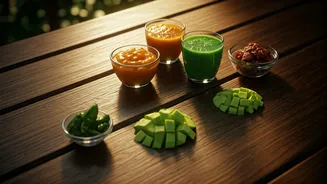
The Unripe Revelation
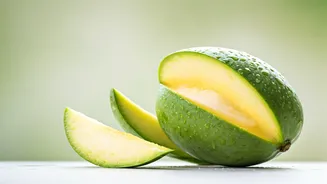
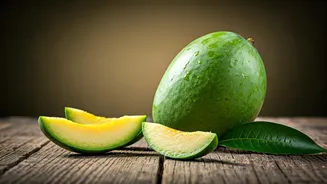
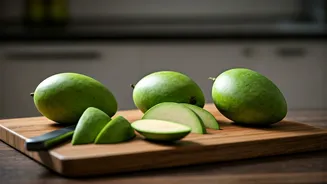
Forget the sweet, dripping, sunset-orange mango you know and love. We’re talking about its younger, wilder sibling: the green, or raw, mango. Picked before it has a chance to ripen and develop its sugars, the green mango is a study in texture and taste.
It’s firm, with a satisfying crunch that lands somewhere between a crisp apple and a jicama. But its flavor is the real star. Instead of honeyed sweetness, it delivers a clean, sharp, and profoundly sour taste that can only be described as electric. This isn't a flaw; it's the entire point. This bright, acidic punch is precisely what makes it such a dynamic ingredient, capable of cutting through richness and adding a high-wattage spark to anything it touches.
A Global Culinary Star
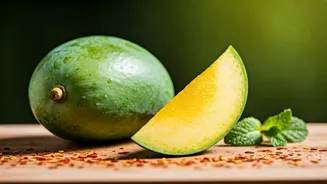
While it may be a new discovery for many American home cooks, the green mango is a culinary staple across much of the world. In Southeast Asia, it’s the star of countless salads, most famously in Thailand, where slivers of tart mango are tossed with chiles, peanuts, fish sauce, and lime for a dish that hits every flavor note. Throughout India, it’s celebrated in every form imaginable. It’s pickled into spicy achaar, blended into the cooling summer drink aam panna, and cooked down with lentils into tangy dal. In Latin American countries, it’s often sliced, sprinkled with salt, lime juice, and chili powder, and eaten as a refreshing street-side snack. This global adoration is a testament to its versatility. The raw mango isn't just a novelty; it's a time-tested tool for building complex, exciting flavor.
How to Electrify Your Dishes
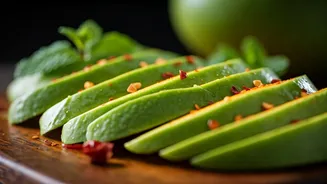
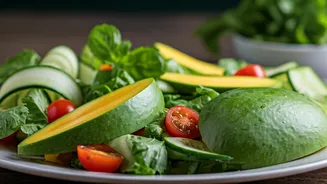
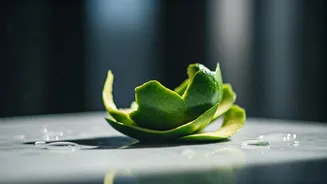
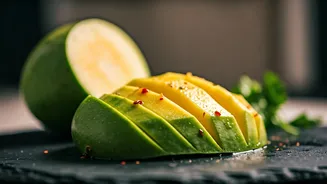
Integrating raw mango into your kitchen is easier than you think. You don’t need complex recipes to get started. Think of it as a souring agent, a textural element, and a flavor booster all in one. The simplest application is to use a vegetable peeler to create long, thin ribbons. Toss these into any basic green salad to instantly make it more interesting, or use them as a crunchy, acidic topping for tacos, grilled fish, or rich, savory pulled pork. Grating it on a box grater creates a finer texture perfect for slaws or for mixing into grain bowls with quinoa or farro. For a vibrant dressing, blend chunks of peeled green mango with olive oil, a little honey or maple syrup to balance the sourness, a touch of ginger, and salt. This creates a zesty vinaigrette that’s phenomenal on everything from leafy greens to grilled shrimp.
Shopping and Prep Guide
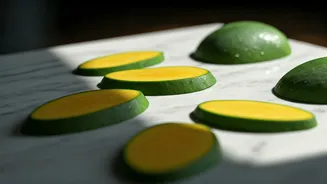
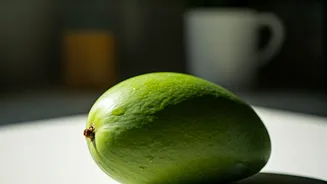
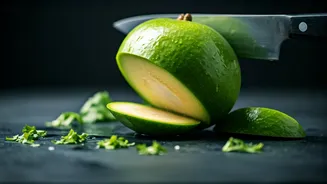
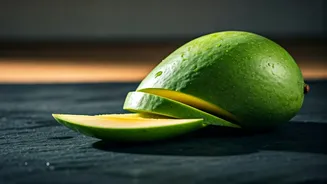
Finding raw mangoes is the first step. Your best bet is an Asian or Latin American grocery store, though some larger supermarkets with extensive international produce sections may carry them. Look for fruit that is uniformly green and rock-hard. If it has any give, it’s already begun the ripening process and will be more sweet than sour. Avoid any with bruised or shriveled skin. At home, they can be stored on the counter for a few days or in the refrigerator for up to a week to halt ripening. Prepping is straightforward: wash the mango, then use a sturdy vegetable peeler to remove the tough green skin. Once peeled, you can slice the flesh away from the large, flat pit in the center. Be aware that some varieties can release a sticky sap near the stem when cut, so it’s wise to handle with care and wash your hands and the fruit after the initial cuts.