








The Silky-Soft Appeal
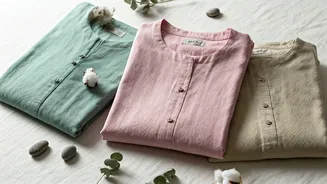
Before we get into sustainability, let’s talk about why anyone would want to wear bamboo in the first place. The primary draw is the feel. Fabric made from bamboo is renowned for being incredibly soft and smooth, often compared to a blend of silk and cashmere.
For activewear, this translates to next-level comfort that reduces chafing during a run or a yoga session.Beyond its luxurious texture, bamboo fabric has several performance benefits that make it a natural fit for the gym. It’s highly breathable and has excellent thermoregulating properties, meaning it helps keep you cool when you’re sweating and warm when you’re cold. It’s also exceptionally good at wicking moisture away from the skin and, according to proponents, has natural antibacterial properties that can help keep odors at bay. In a head-to-head comparison with a standard cotton tee, a bamboo shirt will feel lighter, dry faster, and stay fresher for longer.
The 'Green' Claim Gets Complicated
This is where the story gets interesting. The sustainability pitch for bamboo starts strong. The bamboo plant itself is a marvel of nature: it grows incredibly fast, requires no pesticides or fertilizers, uses very little water, and releases more oxygen into the atmosphere than a comparable grove of trees. It's a highly renewable resource. So far, so good.The complication arises when turning that woody plant into the soft fabric in your leggings. The most common method creates what is known as bamboo viscose or rayon. This process involves dissolving the bamboo pulp using harsh chemicals like sodium hydroxide and carbon disulfide, both of which can be toxic to workers and damaging to the environment if not handled in a controlled, “closed-loop” system. Many cheaper production facilities don’t use such systems, releasing chemical waste into the surrounding ecosystem.In fact, the U.S. Federal Trade Commission (FTC) has cautioned companies against unqualified “eco-friendly” claims, noting that most bamboo fabric is simply a type of rayon, a process that isn't inherently green. More sustainable alternatives, like the lyocell process, use a non-toxic solvent in a closed-loop system, but they are more expensive and less common.
Why It's Taking Off in India
The rise of bamboo activewear in India isn't just a random fad; it's a perfect storm of cultural and economic shifts. India has a massive, fast-growing wellness and fitness market. A burgeoning middle class is increasingly spending on health, personal fitness, and premium lifestyle products. Brands are popping up to cater to this new generation of consumers who are as influenced by global trends as they are by local sensibilities.The “natural” and “plant-based” story of bamboo resonates deeply in a culture with strong traditions of using natural materials and holistic wellness practices like yoga and Ayurveda. Even if the industrial reality is complex, the marketing narrative of a fabric derived from a pure, fast-growing plant is incredibly potent. It offers a compelling alternative to the purely synthetic, petroleum-based polyesters that have long dominated activewear. For the modern Indian consumer, it represents a synthesis of tradition and modernity—a way to embrace a global fitness trend while choosing a product that feels more natural and mindful.
What to Look for on the Label
So, if you’re intrigued by bamboo but want to be a conscious consumer, what should you do? The key is to read the fine print. Don’t just fall for a green leaf on the tag. Look for specificity. If a garment is truly more sustainable, the brand will be proud to tell you how.First, check the fabric composition. Is it “100% bamboo,” or does it say “viscose from bamboo” or “rayon from bamboo”? The latter is more honest. Even better, look for “bamboo lyocell.” This indicates the more environmentally friendly closed-loop production process. Second, look for third-party certifications. The Forest Stewardship Council (FSC) logo ensures the bamboo was harvested responsibly. An OEKO-TEX certification tells you that the final product has been tested and found free of harmful substances. Brands that invest in these certifications are generally more committed to transparency and sustainability.