
Embrace the Art of Assembly
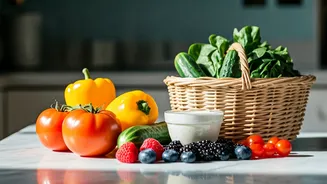
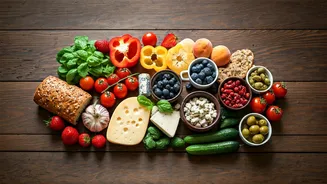
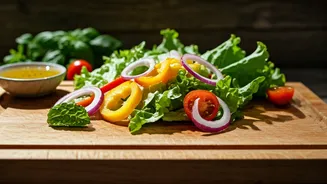
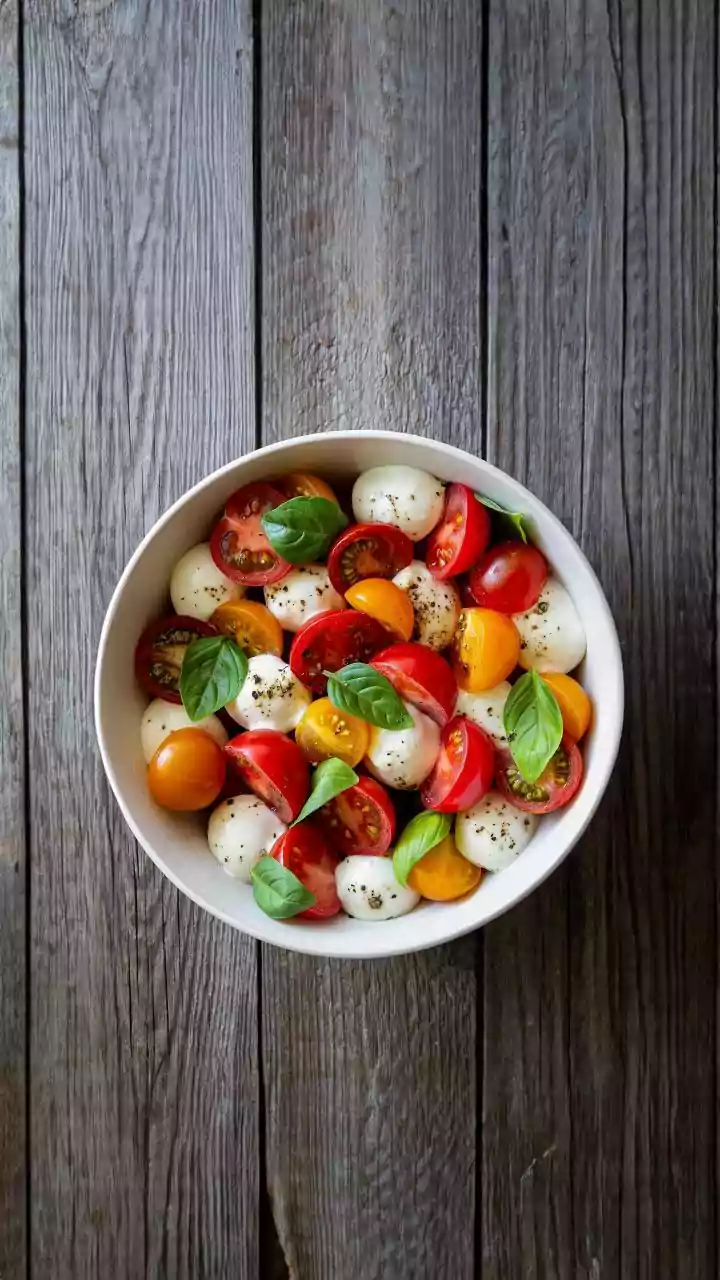
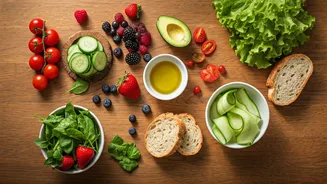
The most effective way to avoid generating heat is to not generate it at all. No-cook meals are your first and best line of defense. Think of it less as 'not cooking' and more as 'assembling.' This is the time for elaborate salads that eat like a full
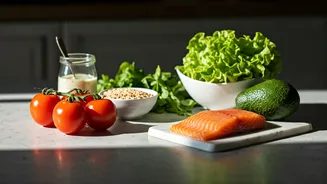
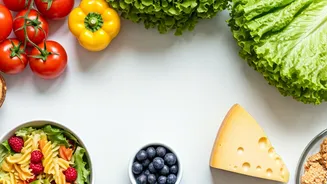
meal—packed with protein like canned chickpeas, rotisserie chicken, or smoked salmon. Grain bowls are another hero; use pre-cooked quinoa or farro and top with fresh vegetables, nuts, and a flavorful vinaigrette. Even simple wraps, summer rolls with rice paper, or a classic Italian-style antipasto platter with cured meats, cheeses, olives, and bread can serve as a satisfying, heat-free dinner.
Make Your Microwave a Power Player
For too long, the microwave has been relegated to reheating leftovers and making popcorn. It’s time to see it for what it is: an incredibly efficient, heat-contained cooking device. Unlike an oven, which heats a large cavity and radiates warmth into your kitchen, a microwave targets only the food. It’s perfect for steaming vegetables in minutes—just place them in a bowl with a tablespoon of water and cover. You can also use it to 'bake' potatoes, cook fish fillets, and even make quick mug cakes for a sweet fix without turning your home into a bakery. It’s a speed-demon that keeps the heat exactly where it belongs: in your food.
Take the Kitchen Outside
This might seem obvious, but its importance can't be overstated. The grill is your summer oven and stovetop, minus the indoor climate impact. It's not just for burgers and hot dogs. You can cook almost anything on a grill that you would inside. Use a cast-iron skillet directly on the grates to sear scallops or sauté onions and peppers. Wrap corn on the cob or asparagus in foil with a little butter and seasoning. You can even make pizza on the grill. By moving the entire cooking process outdoors, you preserve your cool, air-conditioned sanctuary and get the added bonus of that smoky, charred flavor that defines summer.
Leverage Your Small Appliances
Your countertop is home to a team of heat-mitigating superstars. The air fryer, for example, is essentially a small, high-powered convection oven that cooks food quickly with minimal ambient heat. It excels at crisping things up without the long preheat time and radiating warmth of a full-size oven. Similarly, an electric pressure cooker like an Instant Pot contains all its steam and heat, making it ideal for cooking tougher cuts of meat, beans, or grains that would otherwise require a long, kitchen-warming simmer on the stove. Even a simple toaster oven is a better choice for baking a couple of cookies or reheating a slice of pizza than its full-sized counterpart.
Choose Ingredients That Cook Fast
Heatwave cooking is also about smart grocery shopping. Some foods are naturally suited for speed. Thin-cut chicken breasts or pork chops cook in minutes on a grill pan. Shrimp and most fish fillets are done in under 10 minutes. Vegetables like zucchini, bell peppers, and snap peas require very little time to become tender-crisp. By choosing ingredients that have a short cooking time, you inherently minimize the duration your stove or grill is on. Pair these quick-cooking proteins and vegetables with instant couscous (which just requires hot water) or fresh bread for a complete meal that comes together in 15 minutes or less.
Cook in Batches During Cool Hours
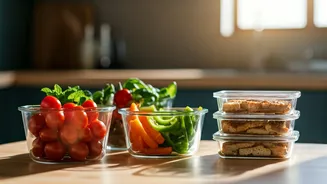
If you absolutely must use the oven or spend significant time at the stove, timing is everything. Use the cooler early morning or late evening hours to do your heavy-duty cooking for the next few days. Roast a whole chicken, bake a tray of vegetables, or simmer a large pot of chili. Once cooled and stored, these components can be used for quick, low-effort meals throughout the hottest parts of the week. A little bit of planning allows you to have delicious, home-cooked food ready to go, transforming mealtime from a sweaty chore into a simple act of assembly.