




What Composting Is (and Isn't)
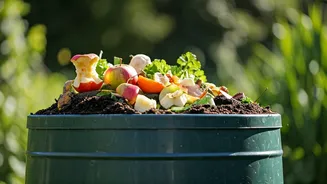
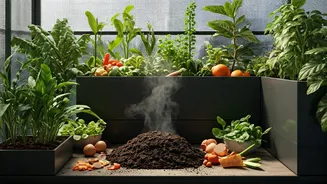
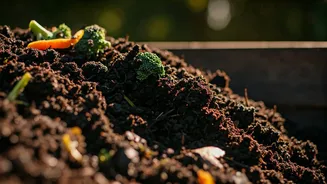
At its heart, composting is just nature's recycling program, and you’re the manager. It’s the process of letting organic materials—like food scraps and yard waste—decompose in a controlled environment. The end result is a dark, crumbly, nutrient-rich
material called humus, or more affectionately, “black gold.” What composting isn’t is complicated or gross. A well-managed compost pile or bin shouldn’t smell bad; it should have a pleasant, earthy scent, like a forest floor after it rains. It’s not a landfill for any and all garbage. Meat, dairy, oily foods, and pet waste are generally off-limits because they can attract pests and create foul odors. Instead, think of it as a dedicated recycling system for the clean, plant-based leftovers your kitchen and yard produce.
The Simple Recipe: 'Greens' and 'Browns'
Success in composting comes down to one simple concept: balancing your “greens” and “browns.” This isn’t about color so much as it is about chemistry, but the names make it easy to remember. Getting the ratio right ensures your compost breaks down efficiently without getting slimy or smelly.
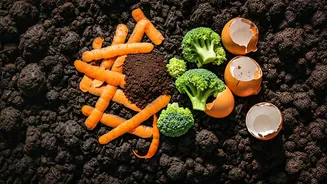
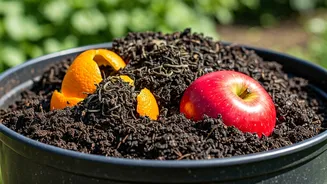
**Greens (Nitrogen-rich):** These are the wet, fresh materials that provide nitrogen. Think of them as the fuel for the microbial engine.
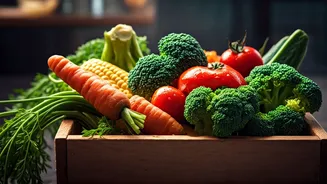
- Fruit and vegetable scraps
- Coffee grounds and tea bags
- Fresh grass clippings
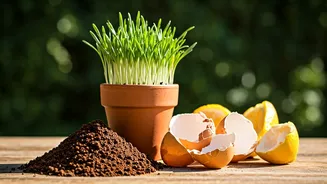
- Eggshells (crushed)
**Browns (Carbon-rich):** These are the dry, woody materials that provide carbon. They create air pockets and prevent the pile from becoming a dense, soggy mess.
- Dried leaves and straw
- Shredded newspaper or cardboard (non-glossy)
- Wood chips or sawdust
- Twigs and small branches
A good rule of thumb is to aim for a ratio of roughly two to three parts “browns” for every one part “greens.” When you add a bucket of kitchen scraps (greens), cover it with a layer of leaves or shredded paper (browns). This simple step is the secret to a happy, healthy compost pile.
Choosing Your Composting Style
You don't need a sprawling backyard to compost. There’s a method for nearly every living situation, from a suburban home to a city apartment.
**The Backyard Bin:** This is the classic approach. You can buy a pre-made plastic bin or build a simple enclosure with wood pallets or wire mesh. This method is great if you have a decent amount of yard waste (like leaves and grass clippings) to balance out your kitchen scraps. You simply layer your greens and browns and turn the pile with a pitchfork every week or two to aerate it.
**The Tumbler:** A compost tumbler is a sealed barrel mounted on a frame that you can rotate with a crank. Tumblers are excellent for keeping pests out, containing any potential mess, and making the turning process much easier. They also tend to produce finished compost faster than a stationary pile.
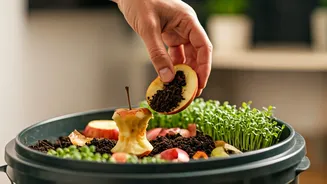
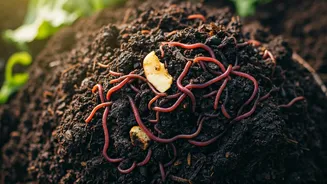
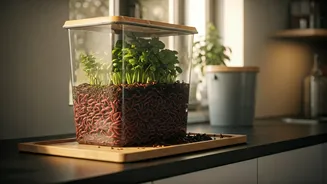
**The Worm Bin (Vermicomposting):** Perfect for apartment dwellers or those with no outdoor space. A worm bin is a self-contained system where red wiggler worms do the work. You add your food scraps, and the worms digest them, producing nutrient-dense castings. These bins can be kept on a balcony, in a garage, or even under a kitchen sink, and they are odorless when managed correctly.
From Kitchen Scraps to Garden Joy
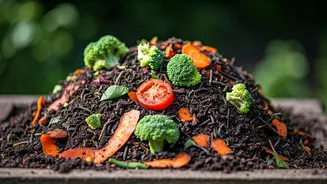
After a few months to a year, depending on your method and materials, your pile of scraps will have transformed into something miraculous. Finished compost is dark, crumbly, and smells sweet and earthy. You’ll know it’s ready when you can no longer identify the original materials.
This is where the real joy kicks in. That “black gold” is one of the best soil amendments you can give your garden. Mix it into the soil of your vegetable beds to boost plant health and yield. Use it as a top dressing around flowers and shrubs to slowly release nutrients and improve water retention. Add a scoop to your potting mix for container plants to give them a vibrant, healthy start. Every tomato you grow, every flower that blooms, will be a direct result of the waste you chose not to throw away. You didn’t just reduce your landfill contribution; you created life-giving sustenance for your own patch of earth.