





Rethink Your Timing
For decades, the travel industry has revolved around a predictable calendar. Summer was for the Mediterranean, winter for the Caribbean. But with record-breaking heat waves scorching southern Europe and the American Sun Belt, that logic is collapsing.
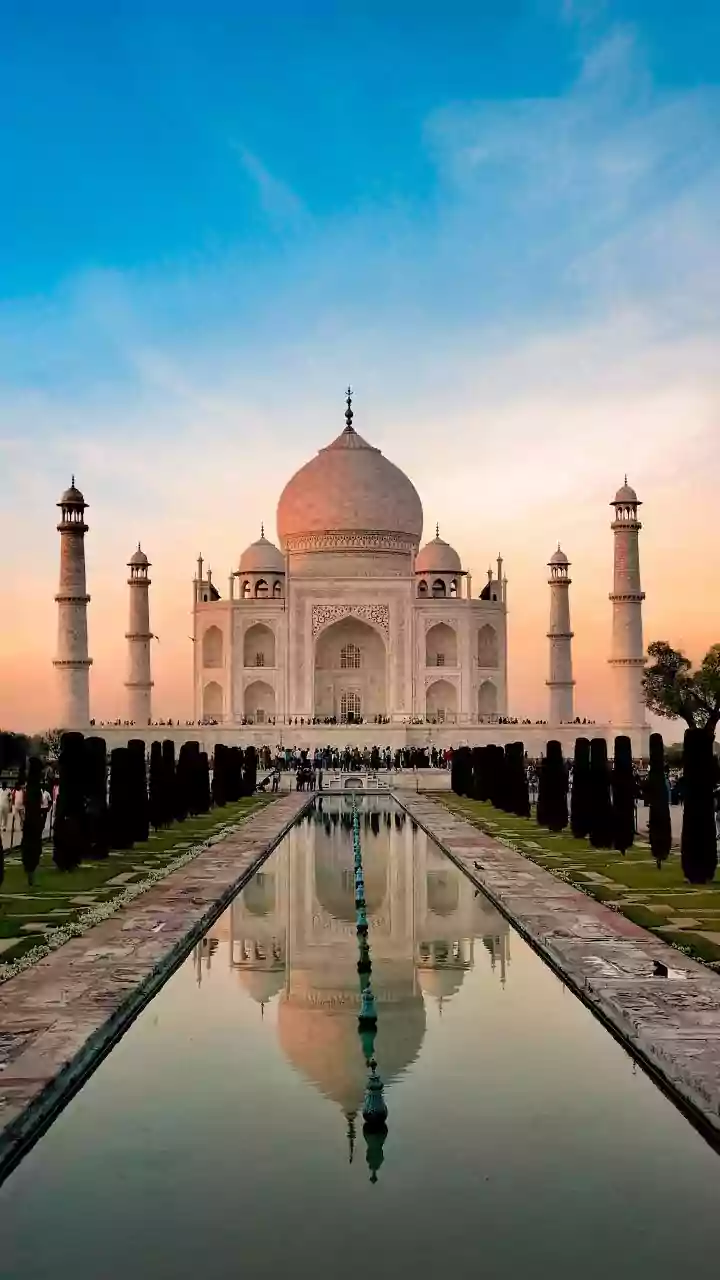
The most practical shift travelers can make is to embrace the “shoulder seasons”—spring and autumn—as the new prime time for traditionally hot destinations. Planning a trip to Rome, Athens, or Seville in July is no longer a romantic notion; it’s a high-risk gamble on whether you’ll be able to leave your air-conditioned hotel room between 11 a.m. and 6 p.m. Instead, savvy travelers are now booking those same destinations for April, May, October, and even November. You get milder weather, fewer crowds, and the ability to actually enjoy the outdoor cafes and ancient ruins you came to see. The summer vacation isn't dead, but its timing is becoming far more flexible.
Embrace the 'Coolcation'
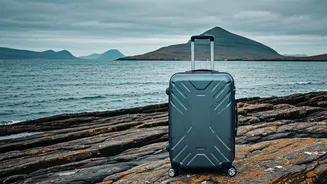
If your travel window is fixed to the summer months due to school schedules or work, the most practical solution may be to change your destination entirely. The trend of “coolcationing,” or intentionally seeking out milder climates for summer holidays, is exploding. Instead of automatically defaulting to destinations known for their sun and heat, travelers are looking north. Tour operators are seeing a surge in interest for places like Scandinavia, Ireland, Scotland, Canada, and the U.S. Pacific Northwest. These regions offer stunning natural beauty, vibrant cities, and, most importantly, daytime temperatures that allow for comfortable exploration. A summer trip focused on hiking in Norway, exploring the coast of Maine, or visiting the mountain lakes of Alberta provides all the adventure of a traditional vacation without the health risks and logistical headaches of extreme heat.
Plan Your Day Around the Sun
When traveling to a warm climate is unavoidable, practical planning must extend beyond the itinerary to the minute-by-minute daily schedule. The key is to adopt the local wisdom that has allowed people to live in these regions for centuries. This means structuring your day like a split shift. Wake up early to visit popular outdoor sites before the crowds and the oppressive heat arrive. By late morning, retreat indoors. This is the perfect time for a long, leisurely museum visit, a cooking class, or simply a siesta back at a hotel chosen specifically for its powerful air conditioning and swimming pool. Emerge again in the late afternoon or early evening for dinner and more exploration as the temperatures begin to drop. This approach requires a mental shift away from the tourist mindset of frantically checking off a list and toward a more relaxed, rhythmic way of experiencing a place.
Pack and Insure for the Heat
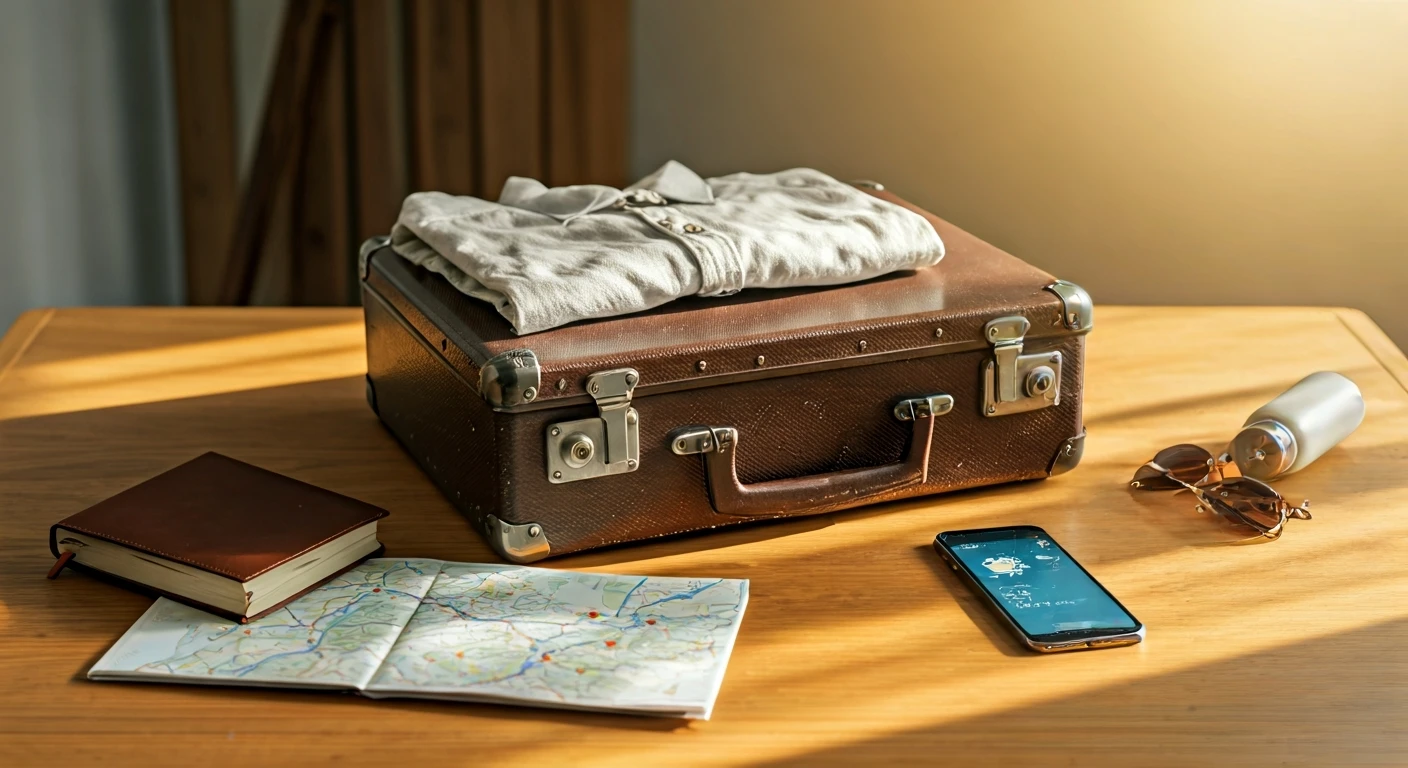
Practicality extends to your packing list and your travel protection. The contents of your suitcase should reflect the new climate reality. Lightweight, loose-fitting clothing in natural, breathable fabrics like linen and cotton are essential. But think beyond the basics: pack a reusable water bottle to stay hydrated, electrolyte packets to replenish lost salts, a wide-brimmed hat, and even a portable cooling towel. Just as important is your travel insurance. Previously, travelers rarely considered whether their policy covered heat-related disruptions. Now, it’s a critical question. Review policies carefully to see if you are covered for cancellations or interruptions if a heatwave makes your destination unsafe or shutters key attractions. Some policies may cover trip abandonment if government warnings are issued. Reading the fine print is no longer an afterthought; it’s a crucial step in safeguarding your travel investment.